Tempura, Fried One Piece at a Time, on Belt Line Road
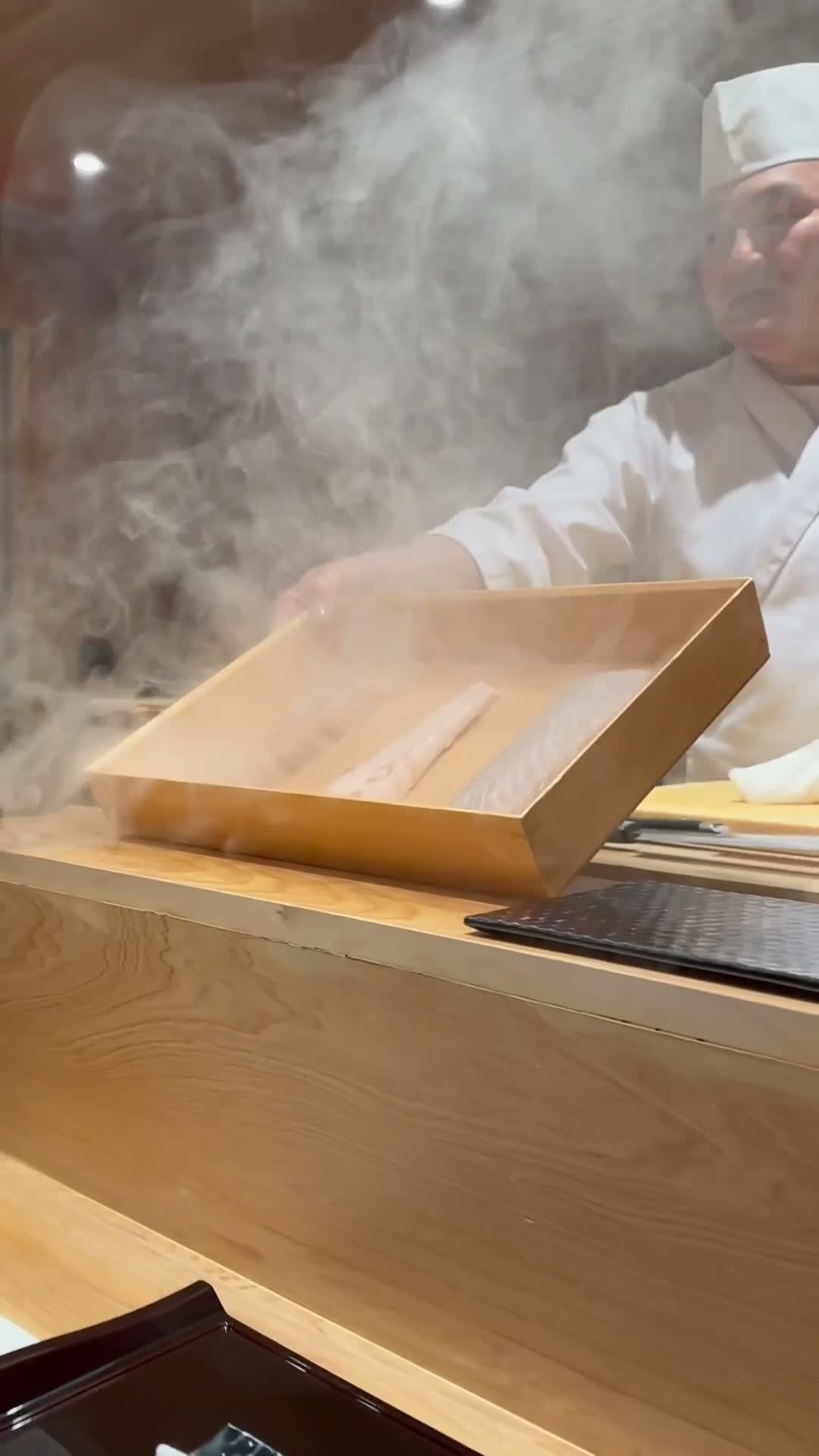
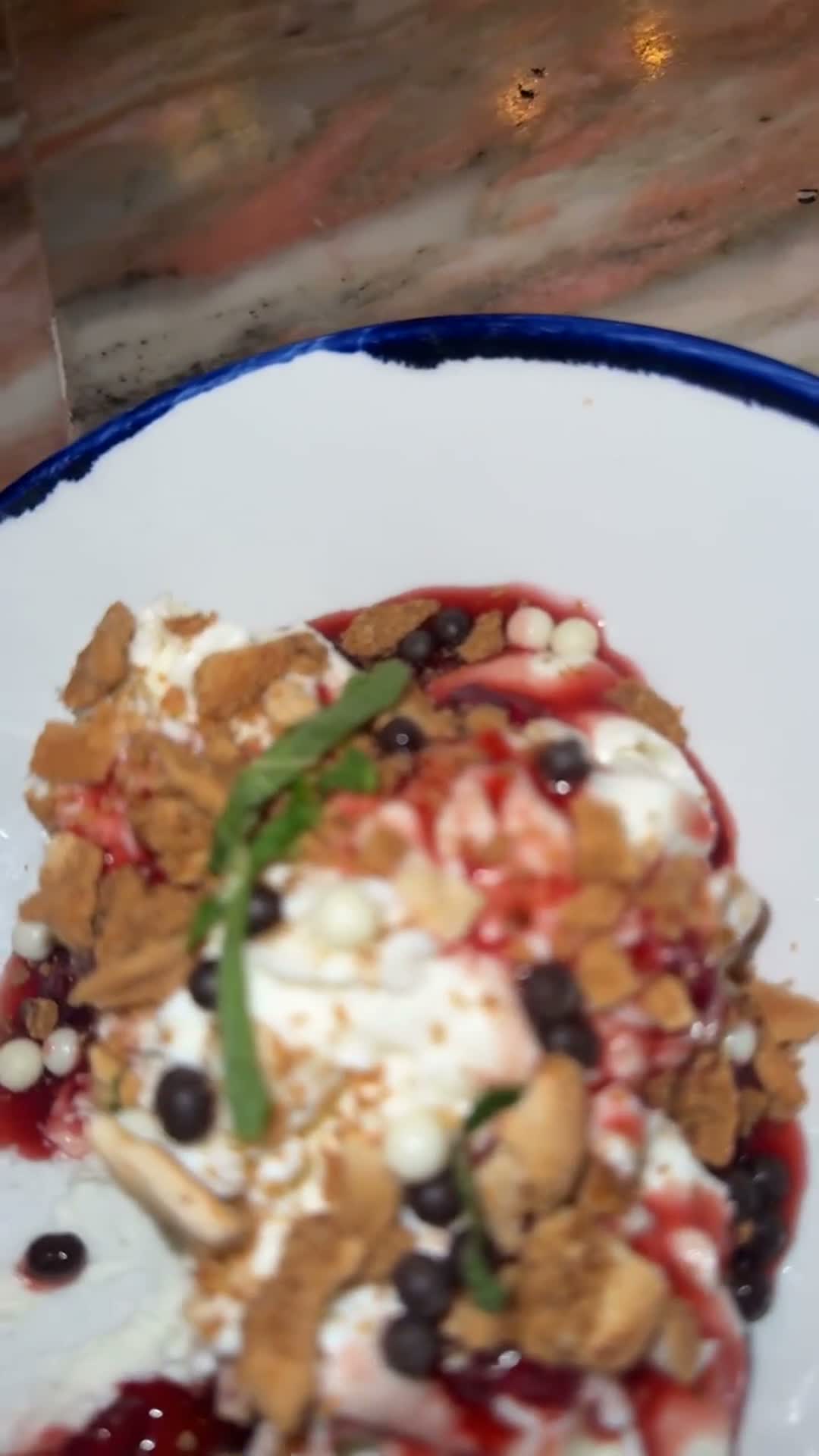
The autumn tempura omakase at Takumi Hachi has a shape worth describing. Four pieces come first, fried one at a time at the counter and served with dipping sauce and salt. Then a crab chawanmushi arrives in a silky dashi sauce, a pause in the middle of the frying that resets the palate before the remaining five pieces. A rice course closes the meal, either ten-don or ten-cha. The meal opens with persimmon and shimeji mushrooms in sesame dressing. The kitchen changes the omakase monthly, so the particulars move and the architecture holds.
Takumi Hachi opened in preview on September 22, 2025, and held its grand opening on November 21, after two months spent refining the cooking and the service. It draws on the traditions of Edo, Kyoto and Osaka and serves no fusion dishes. Edo-period Japanese art surrounds the dining room. The purism has a margin, though: the menu keeps a section of American rolls and a dragon roll with mayo.
Kaiseki by Reservation
The longer meal is the Takumi Omakase Kaiseki, which is pre-order only and made in limited quantities. It starts with a 30-milliliter cup of the day's sake, or house-made yuzu juice for anyone not drinking. Versions of the course have run through seasonal starters, a clear soup of white fish, sashimi, and grilled fish in sweet Saikyo miso. The autumn menu adds soft-shell crab and zucchini blossom tempura, and an intermezzo of lotus root stuffed with shrimp and fried. An earlier version served matsutake in a teapot with white fish and shrimp.
D Magazine, in a piece about a dedicated kaiseki restaurant in Plano, noted that Takumi Hachi now serves kaiseki but lists it among other menus, omakase and à la carte sushi included. That is a fair description of the room. It works in several registers, and the counter tempura and the pre-ordered kaiseki are the two where the kitchen sets the pace. À la carte, the tempura comes as assortments of five or seven kinds, the larger one including anago and scallop.
The purism has a margin, though: the menu keeps a section of American rolls and a dragon roll with mayo.
Pressed Sushi and Charcoal
The sushi leans toward Osaka. Pressed saba, the mackerel battera, and pressed eel with shiso leaf and a sweet soy glaze are built in a mold rather than shaped by hand. They sit on the menu beside Edo-style nigiri, so the two regional styles can be compared on one table. The pressed pieces are the ones that give the sushi menu a point of view.
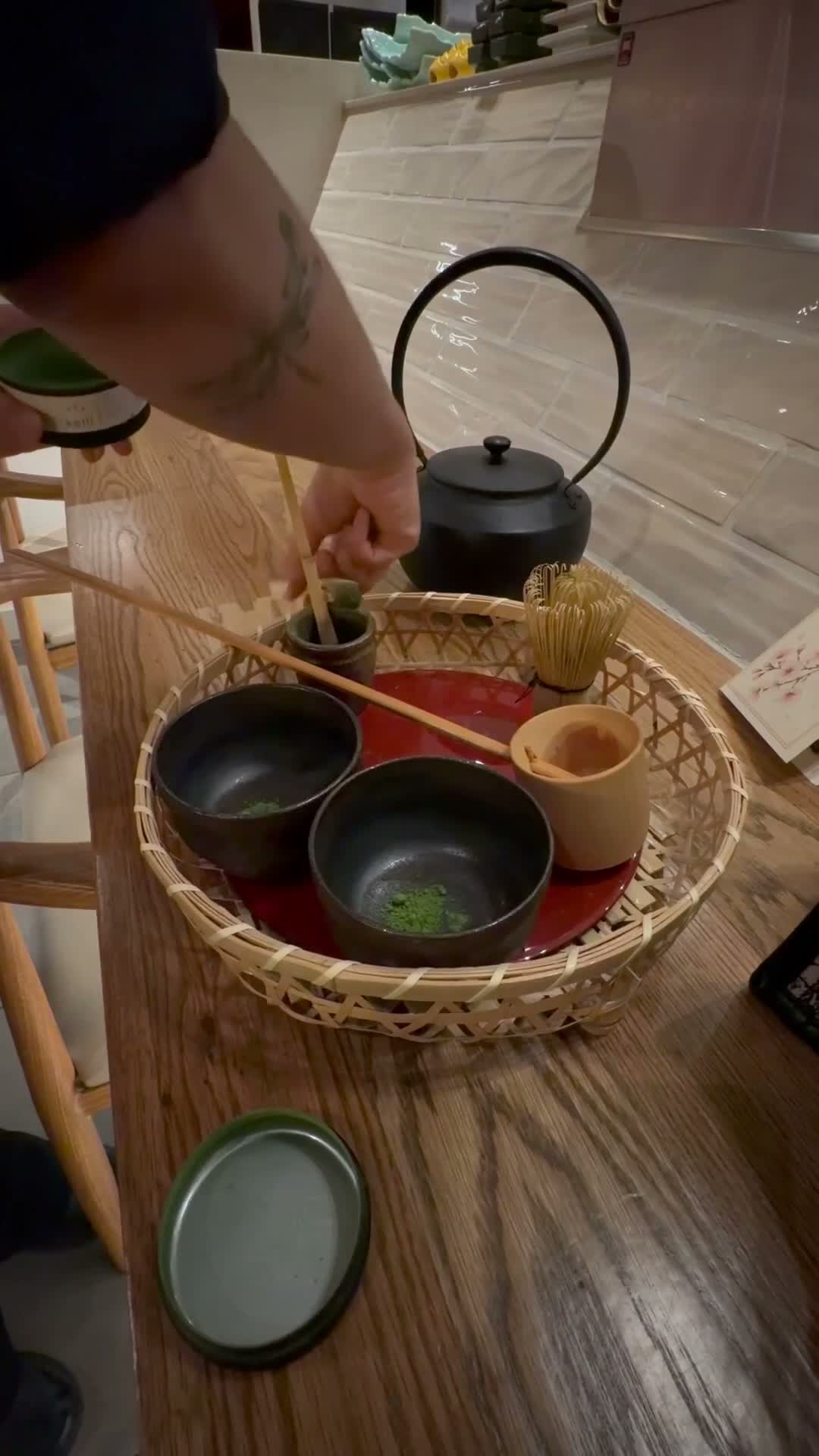
The robata grill gives its attention to thick-cut beef tongue, which the menu calls a signature, and to black cod marinated in sweet Saikyo miso, a fish that suits the fire. Clay-pot rice follows, with salmon and ikura or, in matsutake season, the mushrooms. The Hidden Food video filmed there stays on the rice pot, the ladle and the lids, then on matcha whisked with bamboo utensils, and ends on the crab chawanmushi. The omakase menus end with matcha. Take the tempura counter on a Sunday through Thursday, when the omakase is served, and stay for the bowl at the end.
What the critics say
D Magazine noted that Takumi Hachi now offers kaiseki, though the course is listed among other menus including omakase and à la carte sushi.