The Rice Skewer That Explains Bengara's Fire
A skewer of pounded rice, brushed with red miso, stands beside a bed of binchotan coals and cooks without meeting a flame. This is the uni kiritampo at Bengara, a version of an Akita Prefecture comfort food that looks something like a corn dog until the Santa Barbara uni goes on top, with scallion to finish. The rice takes its color and salt from the miso and its texture from slow, radiant heat. The uni, a Southern California product, sits on a Japanese regional snack that is rarely seen in Los Angeles. One skewer holds the whole argument of the restaurant: a Japanese method, a local ingredient, and no wish to hurry either.
A Pit Built Over Six Months
The method is genshiyaki, a gentle, ambient-heat style of grilling that LAist reports goes back some 1,500 years. Chef and owner Tyler Burges ran into it once, at a robatayaki restaurant in Fukuoka, and liked the subtle flavor and texture it produced. Getting it to Los Angeles took six months of work with the fabricator Phil Roxworthy on a custom pit. Skewered ingredients are set vertically around the binchotan, and the heat reaches them from a distance. He has said he has never seen anyone else do it in the United States.
The payoff is clearest with food that punishes a hot grill. Miso-marinated cod, whose sugars would blacken on an ordinary grate before the fish cooked through, comes through the pit without that problem, and it never touches a grate at all. Head-on tiger prawns keep their natural sweetness rather than picking up a heavy smoke. The charcoal is there to cook the food, and it does not show off.
Saison Alumni, Casual Room
Burges and head chef Phil Mireles both came up at Saison and Angler in San Francisco under Joshua Skenes. Bengara is their first Los Angeles project and the casual sibling of Smoke Door in Lake Tahoe, which Burges has said ended up as a tasting-menu-only restaurant. The room is an upscale izakaya, and the cooking runs from raw and cured dishes to charcoal-grilled ones, with hand-cut soba made fresh each day. Seafood comes from Tokyo's Toyosu Market, and produce comes from Southern California farms including Durst Organic Farms and County Line Harvest. There is also a daily eight-course tasting menu for anyone who would rather hand over the decisions.
Where the Fire Falls Short
Not everyone is convinced. The Infatuation's Andrew Ryce gave Bengara a 6.0 out of 10 in August, finding too little charcoal flavor on the grilled meats, skewers that were unevenly cooked and sometimes chewy, and fat that had not rendered. He did find a silver lining in the cocktails, a smoked lemon sour among them. It is a useful counterweight to the genshiyaki story: a technique this gentle asks a lot of the cook, and it does not always deliver on the plate.
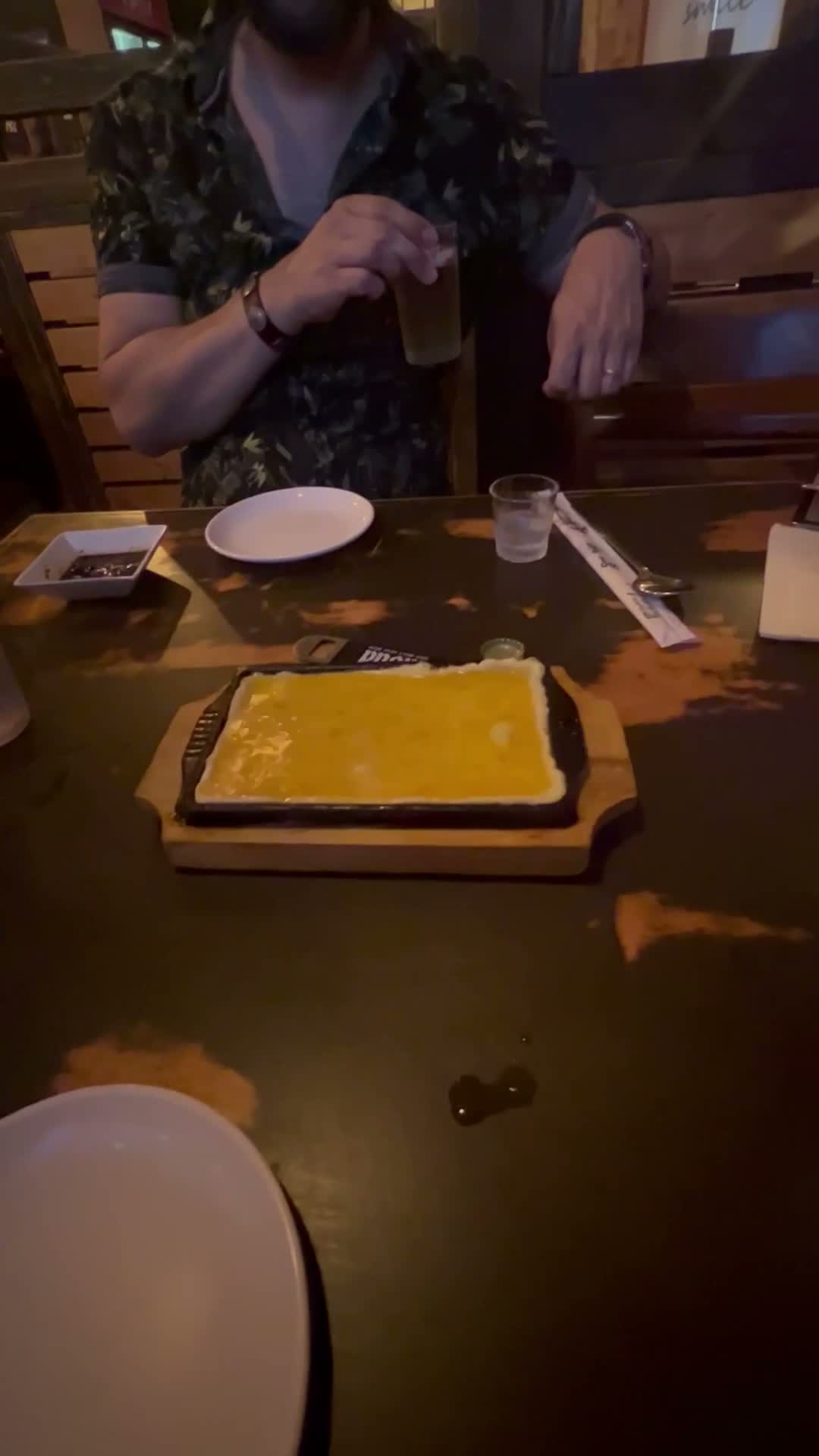
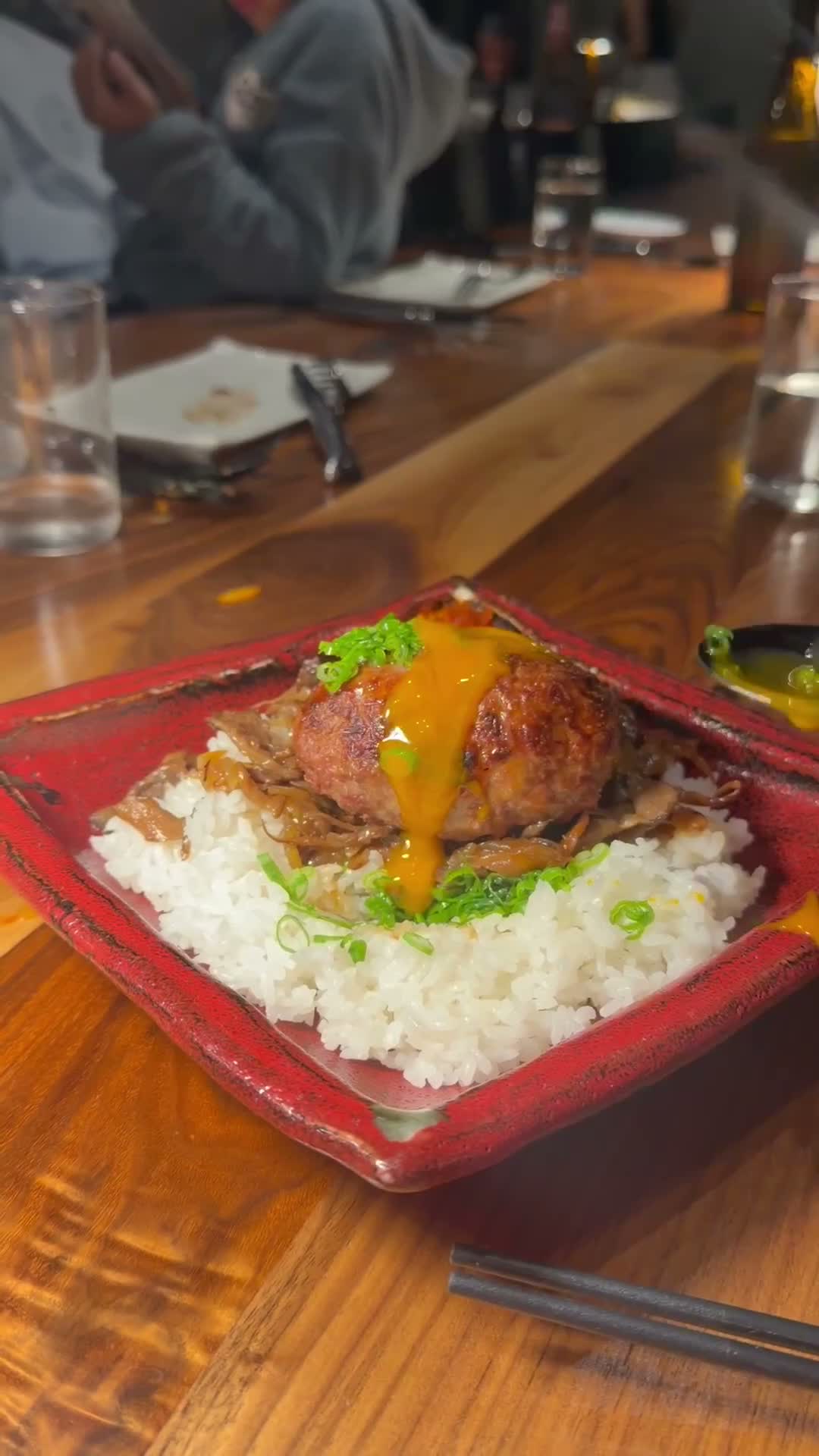
The camera has found other things to like. Videos filmed at the restaurant show katsuobushi shaved fresh, a torch coming out of a wooden box for the next plate, and a hambagu served over rice with an egg yolk on top. The Japanese hamburg steak is a cooked-to-order comfort dish that has little to do with fire theory, and it gets a good share of the attention.
What the critics say
The Infatuation scored Bengara 6.0 out of 10, calling it hit-or-miss, with too little charcoal flavor on the grilled meats, though it praised the cocktails.
LAist reported on the custom genshiyaki pit, built over six months, and picked out the uni kiritampo and the miso cod as the dishes that show what the method does.
Fine Dining Lovers named the uni kiritampo as the dish that best embodies Bengara, pairing an Akita rice skewer with Santa Barbara uni.
Los Angeles Downtown News singled out the kobujime ocean trout, the pork belly tacos with mochi tortillas and the A4 wagyu katsu sando as standout dishes.