Top 20 Japanese restaurants in Los Angeles
The top 20 Japanese restaurants in Los Angeles2026 EditionUpdated
Our editors' picks: Japanese restaurants in Los Angeles that local foodies have actually eaten at, with the videos filmed at each one.
Number 1: Bengara
Full profileMinimizeGenshiyaki and binchotan cooking in the Arts District, from two Saison and Angler alumniBengara, a Japanese restaurant in LA's Arts District, cooks over binchotan charcoal with genshiyaki, a rare radiant-heat grill, plus hand-cut soba.Info, rank history and votes
Info
- Cuisine
- Japanese
- Price
- $$$
- Address
- 806 E 3rd St #140
Known for
- Uni kiritampo
- Genshiyaki grilling
- Miso-marinated cod
- A4 wagyu katsu sando
- Hand-cut soba
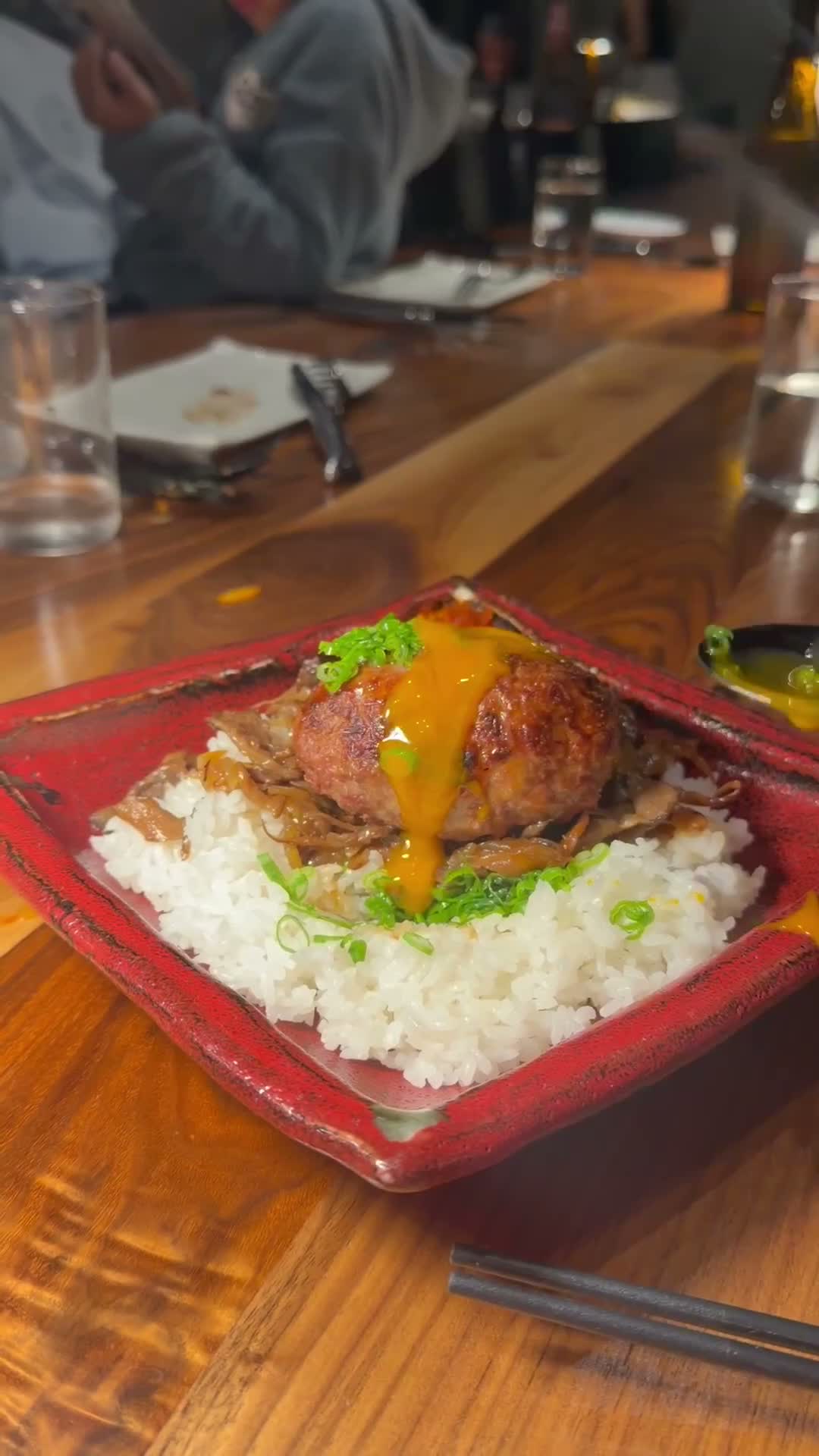
- Hambagu over rice
What do you think?
Is #1 the right place for Bengara?
No votes yet. Be the first.
Why it's here By Hidden Food editors
Genshiyaki and binchotan cooking in the Arts District, from two Saison and Angler alumni
Bengara, a Japanese restaurant in LA's Arts District, cooks over binchotan charcoal with genshiyaki, a rare radiant-heat grill, plus hand-cut soba.
The Rice Skewer That Explains Bengara's Fire
A skewer of pounded rice, brushed with red miso, stands beside a bed of binchotan coals and cooks without meeting a flame. This is the uni kiritampo at Bengara, a version of an Akita Prefecture comfort food that looks something like a corn dog until the Santa Barbara uni goes on top, with scallion to finish. The rice takes its color and salt from the miso and its texture from slow, radiant heat. The uni, a Southern California product, sits on a Japanese regional snack that is rarely seen in Los Angeles. One skewer holds the whole argument of the restaurant: a Japanese method, a local ingredient, and no wish to hurry either.
A Pit Built Over Six Months
The method is genshiyaki, a gentle, ambient-heat style of grilling that LAist reports goes back some 1,500 years. Chef and owner Tyler Burges ran into it once, at a robatayaki restaurant in Fukuoka, and liked the subtle flavor and texture it produced. Getting it to Los Angeles took six months of work with the fabricator Phil Roxworthy on a custom pit. Skewered ingredients are set vertically around the binchotan, and the heat reaches them from a distance. He has said he has never seen anyone else do it in the United States.
The payoff is clearest with food that punishes a hot grill. Miso-marinated cod, whose sugars would blacken on an ordinary grate before the fish cooked through, comes through the pit without that problem, and it never touches a grate at all. Head-on tiger prawns keep their natural sweetness rather than picking up a heavy smoke. The charcoal is there to cook the food, and it does not show off.
Saison Alumni, Casual Room
Burges and head chef Phil Mireles both came up at Saison and Angler in San Francisco under Joshua Skenes. Bengara is their first Los Angeles project and the casual sibling of Smoke Door in Lake Tahoe, which Burges has said ended up as a tasting-menu-only restaurant. The room is an upscale izakaya, and the cooking runs from raw and cured dishes to charcoal-grilled ones, with hand-cut soba made fresh each day. Seafood comes from Tokyo's Toyosu Market, and produce comes from Southern California farms including Durst Organic Farms and County Line Harvest. There is also a daily eight-course tasting menu for anyone who would rather hand over the decisions.
Where the Fire Falls Short
Not everyone is convinced. The Infatuation's Andrew Ryce gave Bengara a 6.0 out of 10 in August, finding too little charcoal flavor on the grilled meats, skewers that were unevenly cooked and sometimes chewy, and fat that had not rendered. He did find a silver lining in the cocktails, a smoked lemon sour among them. It is a useful counterweight to the genshiyaki story: a technique this gentle asks a lot of the cook, and it does not always deliver on the plate.
The camera has found other things to like. The Japanese hamburg steak is a cooked-to-order comfort dish that has little to do with fire theory, and it gets a good share of the attention.
What the critics say
The Infatuation scored Bengara 6.0 out of 10, calling it hit-or-miss, with too little charcoal flavor on the grilled meats, though it praised the cocktails.
LAist reported on the custom genshiyaki pit, built over six months, and picked out the uni kiritampo and the miso cod as the dishes that show what the method does.
Fine Dining Lovers named the uni kiritampo as the dish that best embodies Bengara, pairing an Akita rice skewer with Santa Barbara uni.
Los Angeles Downtown News singled out the kobujime ocean trout, the pork belly tacos with mochi tortillas and the A4 wagyu katsu sando as standout dishes.
Pros
- Uni kiritampo pairs miso rice skewer with Santa Barbara uni
- Rare genshiyaki pit cooks gently over binchotan
- Miso-marinated cod avoids the blackening of a hot grill
- Hand-cut soba made fresh daily
Cons
- Grilled meats can lack charcoal flavor
- Skewers sometimes unevenly cooked or chewy
- Cooking can be hit-or-miss
Number 2: Mori Nozomi
Full profileMinimizeEight-seat omakase from an all-female team on Pico Boulevard in West LAMori Nozomi, an eight-seat sushi counter on Pico Boulevard in West Los Angeles, serves an edomae-leaning omakase led by chef Nozomi Mori.Info, rank history and votes
Info
- Cuisine
- Sushi
- Price
- $$$
- Address
- 11500 W Pico Blvd
Known for
- Tuna scraped from the spine
- Toro taku hand rolls
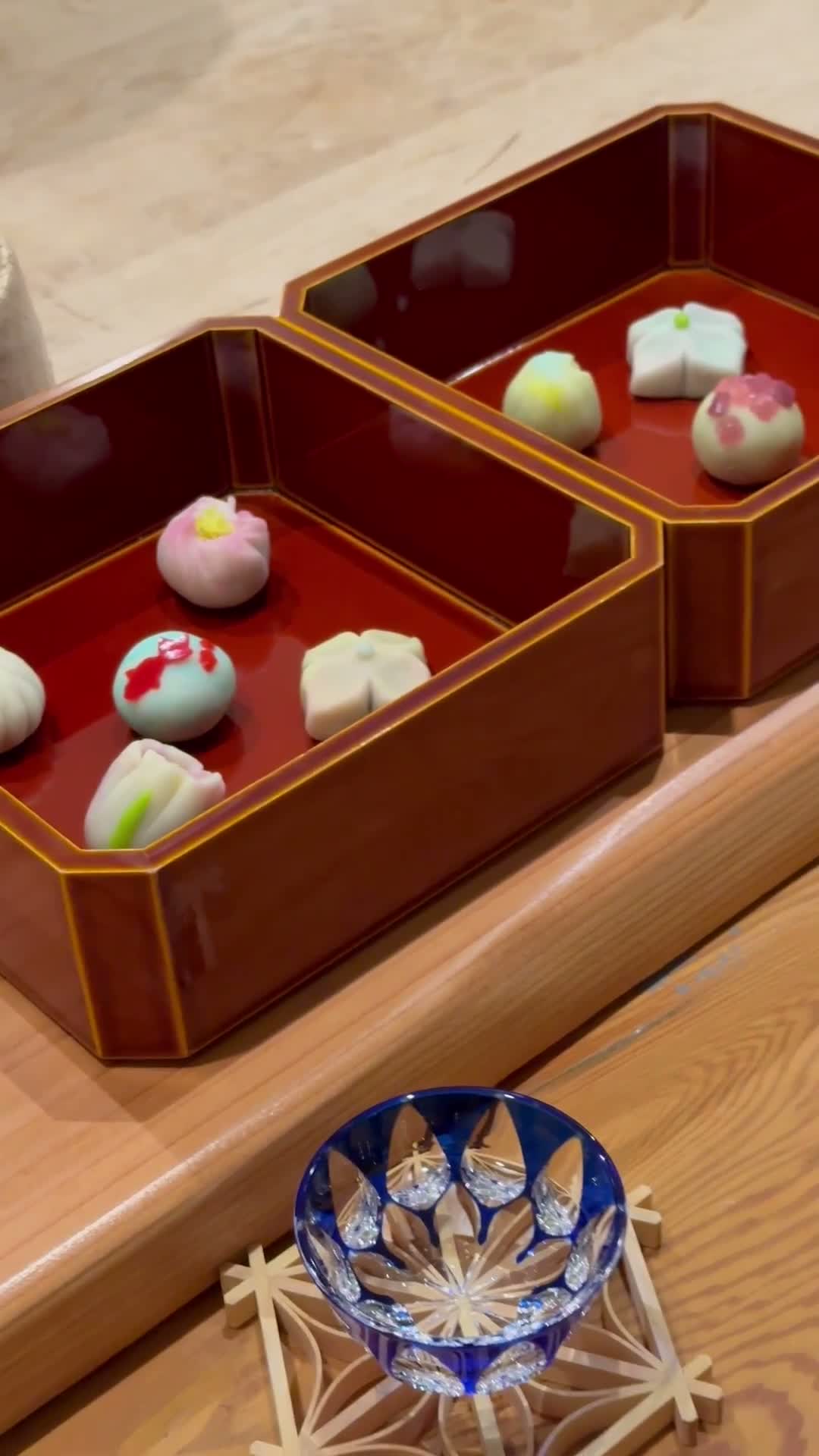
- Handmade wagashi
- Squid nigiri
- Chawanmushi with ginkgo nut
- Matcha made by the chef
What do you think?
Is #2 the right place for Mori Nozomi?
No votes yet. Be the first.
Why it's here By Hidden Food editors
Eight-seat omakase from an all-female team on Pico Boulevard in West LA
Mori Nozomi, an eight-seat sushi counter on Pico Boulevard in West Los Angeles, serves an edomae-leaning omakase led by chef Nozomi Mori.
A Sushi Counter Where the Tuna Spine Gets Scraped Clean
The spoon does the work. When Nozomi Mori brings out a butchered tuna, she scoops the tender meat from along the bones, the scrapings that most sushi counters let go, and each guest at the counter gets a toro taku hand roll made from it. The New York Times critic Tejal Rao called this the closest thing to a show in the evening. The point is thrift rather than theater. A part of the fish that usually disappears into the kitchen is put in front of the diner instead, and it gets the same seriousness as the nigiri.
Hidden Food's camera found the same material on a small wooden tray: nakaochi, the scraped tuna, beside tuna nigiri and a wagashi sweet, the last bites arranged so that they look like jewelry. The tray explains the place. Mori Nozomi seats eight at a counter in Sawtelle, in the Pico Boulevard space that long belonged to Mori Sushi, and what it serves is a sushi meal that keeps borrowing from the tea room. The knife work is exacting and the fish comes from Japan. The sweets are made by hand.
A Kansai Cook on Pico
Mori is a native of the Kansai region, and Time Out Los Angeles, which gave the restaurant five stars within months of its opening, described her sushi as Osaka-style, with flower-shaped mochi made by hand. She moved to Los Angeles at 29 and first went looking for a job serving at a sushi restaurant, not cooking at one. A mutual friend later introduced her to Masanori Nagano, the last chef-owner of the now-closed Mori Sushi.
Her own restaurant opened in March 2024 in that same space. The shared name is a coincidence of surnames: Wikipedia notes the two businesses are unrelated. Her team is all women, which remains rare at this level of Los Angeles sushi, and the room is sparse and quiet.
The point is thrift rather than theater.
Kaiseki Habits, Edomae Fish
The fish is bought from Toyosu Market in Japan and flown in several times a week. The vegetables come from the Santa Monica farmers market, and they give the meal its seasonal side. The Michelin Guide, which awarded the restaurant a star, traced the meal from a silky chawanmushi with ginkgo nut through a squid nigiri where the knife work and the seasoning of the rice are both on show, to matcha prepared by Mori herself.
That critic of the Times wrote that Mori "carves sheer petals out of swordtip squid" and scores the top of a scallop so it gives up its sweetness sooner. The cutting is the quiet spectacle here. Hairy crab is presented live most nights, and the meal runs to 22 or 25 courses, with sashimi, seared seafood and nigiri set among the small plates.
One Seating, Run Together
Every reservation sits at the counter, and every course is served at the same moment for the whole seating. The evening is paced by the room and not by the individual diner. Late arrivals find their courses rearranged or adjusted, and there are no substitutions or altered dishes. The cooking is tuned to a single shared pace.
In a city full of expensive sushi counters that can look alike, this one is set apart by what it declines to waste. Come for the tuna that comes off the bone with a spoon.
What the critics say
The New York Times critic Tejal Rao praised Nozomi Mori's distinct style, which layers seasonal kaiseki touches and tea-ceremony ritual onto the focus of the omakase.
The Michelin Guide awarded Mori Nozomi one star, praising its purity and refinement, its eight-seat minimalist counter, and seafood flown in from Japan several times a week. (Michelin Guide)
Time Out Los Angeles gave Mori Nozomi five stars and said its sushi and handmade mochi set it apart from the city's often identical-seeming high-end omakase counters.
The Infatuation called the omakase elegant and nuanced, traditional and understated, and a strong addition to the city's luxury sushi roster, though not a first stop for omakase newcomers.
Pros
- Tuna scraped from the spine in toro taku hand rolls
- Exacting knife work on squid and scallop
- Fish flown in from Japan several times a week
- Handmade wagashi and chef-made matcha close the meal
Cons
- Late arrivals get a rearranged meal
- No substitutions or dish changes
- Every seat is at the counter, with only eight seats
Number 3: Umitosora
Full profileMinimizeSushi, rice bowls, udon and ochazuke from the Temaki Society team, in ChinatownUmitosora serves Japanese sushi, kaisendon rice bowls, udon, soba and ochazuke on North Spring Street in Chinatown, Los Angeles.Info, rank history and votes
Info
- Cuisine
- Japanese
- Price
- $$$$
- Address
- 555 N Spring St #105
Known for
- Kaisendon
- Ochazuke
- Umi roll
- Anago ippon tendon
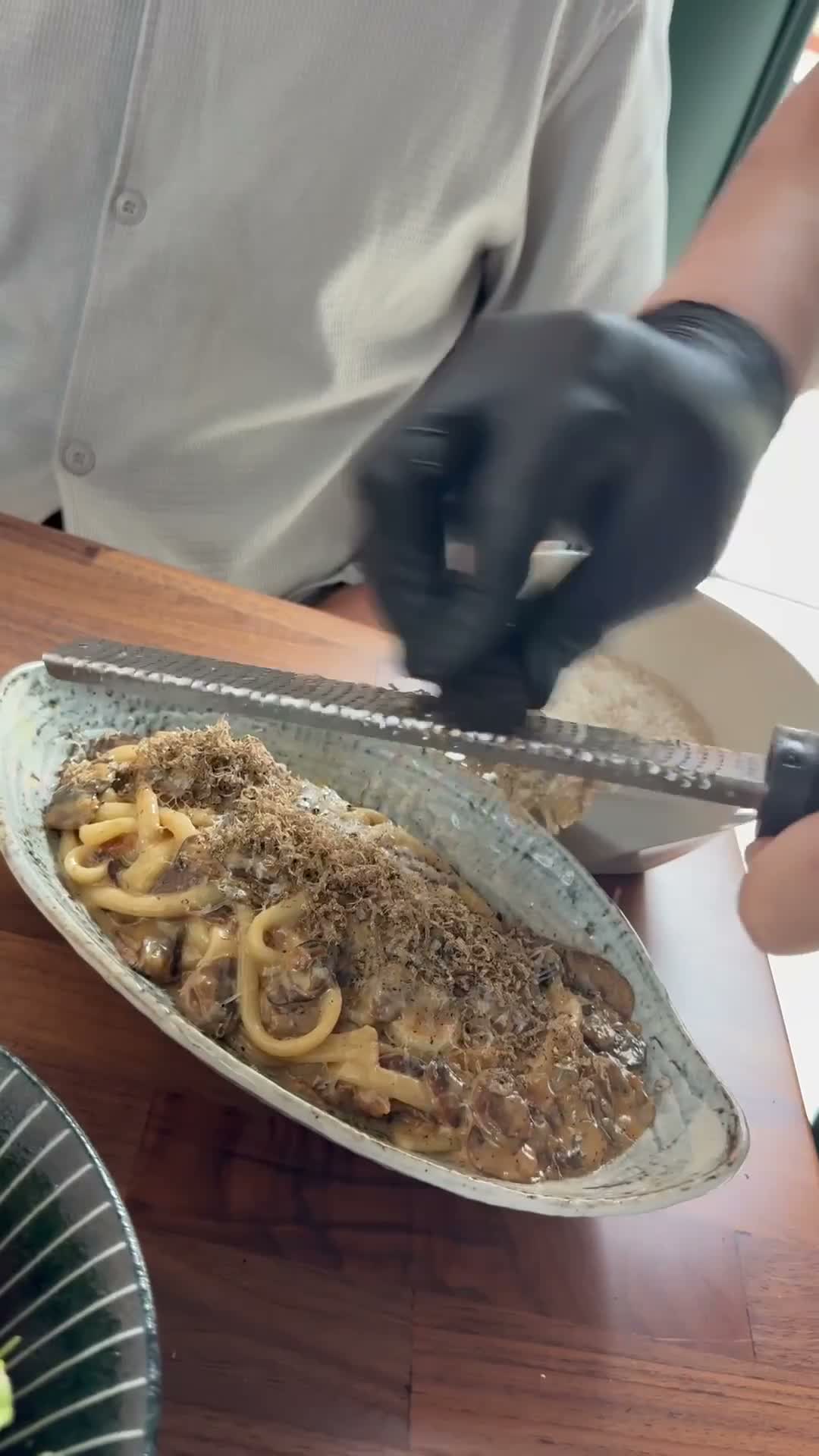
- Miso mushroom cream udon
- Seared kanpachi with Oaxacan chocolate
What do you think?
Is #3 the right place for Umitosora?
No votes yet. Be the first.
Why it's here By Hidden Food editors
Sushi, rice bowls, udon and ochazuke from the Temaki Society team, in Chinatown
Umitosora serves Japanese sushi, kaisendon rice bowls, udon, soba and ochazuke on North Spring Street in Chinatown, Los Angeles.
A Sashimi Rice Bowl, Piled High, in Chinatown
That is the right place to look. A sashimi rice bowl lives or dies on proportion, on how much fish the rice can carry and whether the sweetness of the shrimp, the brine of the roe and the richness of the uni each get room to register. The bowl sits at the center of a menu that runs wider than most sushi counters allow, one that also takes in udon, soba and ochazuke, and it is the dish the camera keeps returning to.
Sea and Sky on Spring Street
The name means "sea and sky" in Japanese, and Forbes noted that the idea carries through a dining room inspired by waves and nature. The restaurant is in Chinatown, at 555 N Spring Street, and it comes from the team behind Temaki Society and Sonmari, which accounts for a good deal of its confidence.
The Infatuation, reviewing it in October, described a broad menu of nigiri, rice bowls, udon, soba and ochazuke. Breadth like that can be a warning at a sushi restaurant. Here it reads more as a kitchen that wants to be a place for a whole meal, with raw fish at the front and hot noodles and broth behind it.
Broth, Truffle and Oaxacan Chocolate
The hot dishes are where the montage gets its drama. Savory broth is poured over sashimi and rice in the ochazuke, and the same pour is shown over noodles. Fresh black truffle is grated over a creamy udon, a dish that makes no pretense of restraint. The cooking is playful rather than reverent, and the best evidence is on the sushi side of the menu. The Infatuation pointed to the chef's habit of unconventional takes on sushi bar staples, among them seared kanpachi sushi with Oaxacan chocolate.
Forbes called the menu playful and listed the umi roll, the anago ippon tendon, a miso mushroom cream udon and crispy rice among the popular picks. Order the kaisendon, and leave room for whatever comes in the little green pot.
What the critics say
The Infatuation described Umitosora as a new Chinatown sushi spot from the Temaki Society and Sonmari team, with unconventional takes such as elote fritters and a cilantro tuna roll.
Forbes included Umitosora in its fall roundup of Los Angeles places to eat, calling the menu playful and naming the umi roll and crispy rice as popular picks.
Pros
- Kaisendon heaped with uni, sweet shrimp and salmon roe
- Playful takes like seared kanpachi with Oaxacan chocolate
- Broad menu of sushi, udon, soba and ochazuke
- Dining room inspired by waves and nature
Cons
- Priced at the top tier, $$$$
How we pick
An editorial list
Every restaurant here has been visited by local foodies who have actually eaten there. The videos are filmed at the table, so you can see the food before you go, and each place has a full profile with what to order and what it costs.
Keep eating
More top lists in Los Angeles
-
Top 20 Michelin-recognized restaurants in Los Angeles
Liu's Cafe, Mori Nozomi, Rasarumah and more
See the list
Know one that belongs here?
Post a video of it on Hidden Food, and our local foodies will take a look.
Post a video