Flaming Saganaki and a Decade of Greek Cooking Downtown
Saganaki is fried cheese, and at Meraki it is also a small piece of stagecraft. The video filmed there follows a server through it: cheese sizzling in a pan, finished with a squeeze of fresh lemon, the flame getting its entrance while the pita and the plates behind it wait their turn. When Miami New Times first wrote about the restaurant, the flambéed Gruyère was already one of the most popular things on the menu. It set the register for a place that has preferred an old taverna idea of generosity to anything fussier, and that has made its case for a decade from the back of a downtown alley.
In a downtown that keeps changing its mind, a flaming pan of cheese is a steady argument, ten years running.
Meraki, Taken Literally
Meraki is the word Greeks use for doing something with soul, and the restaurant opened in 2016 on that premise. Alex Karavias, the owner and managing partner, describes it as putting something of yourself into whatever you do. Giannis Kotsos is the executive chef. The two later opened a second Meraki in Coconut Grove, but the downtown room is the original, and the one with the stranger address.
The first Meraki sat at 142 SE 1st Avenue, in an alley lined with other small restaurants. The Infatuation said the setting could persuade a diner they had escaped one of Miami's most chaotic neighborhoods. Its critic's own order was a glass of wine and the honey and sesame cheese puffs, of which the review said a great many could be eaten. The restaurant now sits at 190 SE 1st Avenue, a short way along the same street.
Octopus, Salad, Fire
The cooking is clearest in the plain plates. The grilled octopus comes with pickled red onions, tomatoes, capers and lemon oil, a plate that relies on acid and brine to cut the density of the meat. It sits among the restaurant's most popular items beside the horiatiki. That salad is the village kind: tomatoes, cucumbers, peppers, red onion, kalamata olives, capers and feta, dressed with red wine vinaigrette and oregano, with paximadi, the twice-baked barley rusk, standing in for bread.
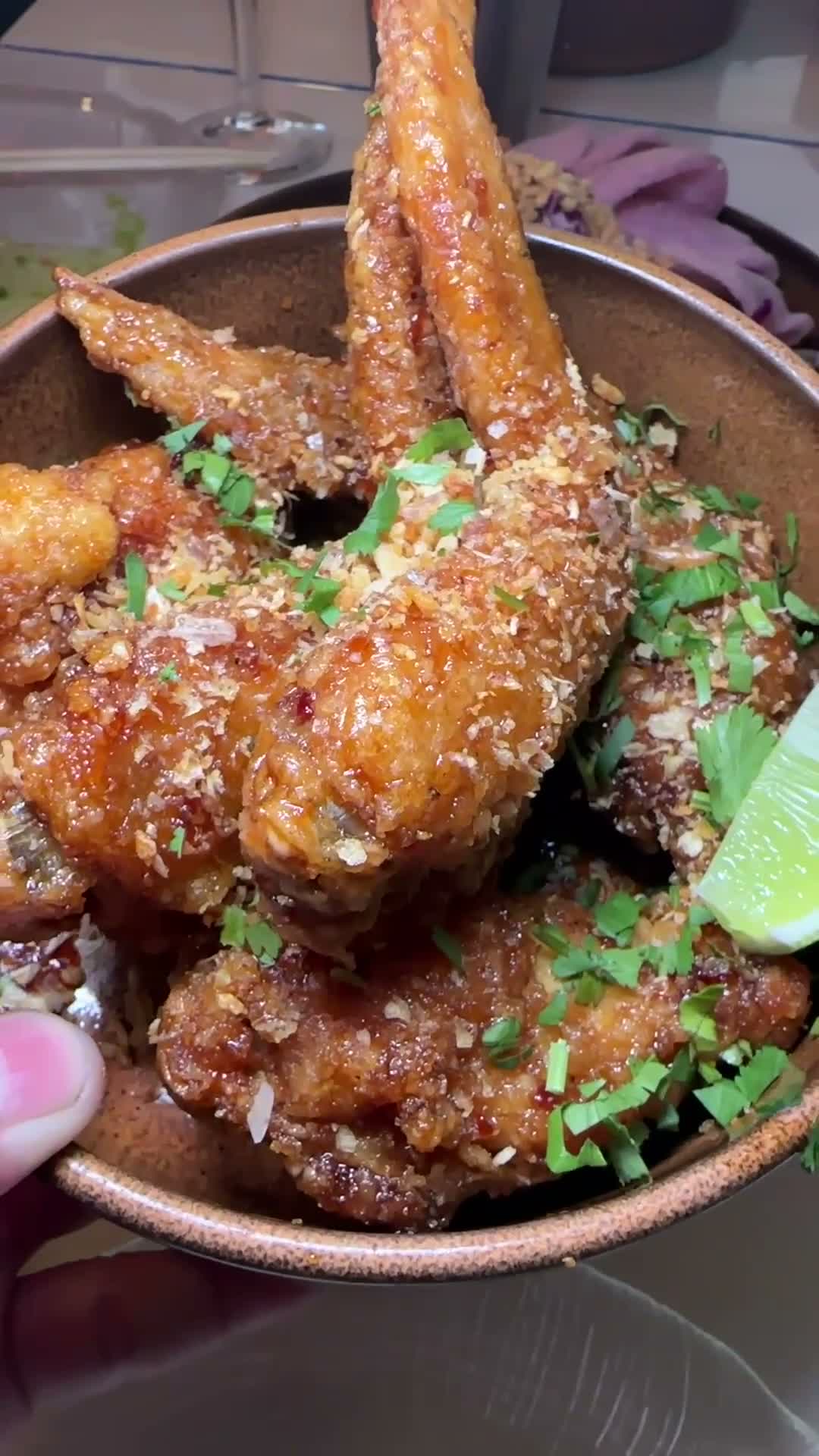
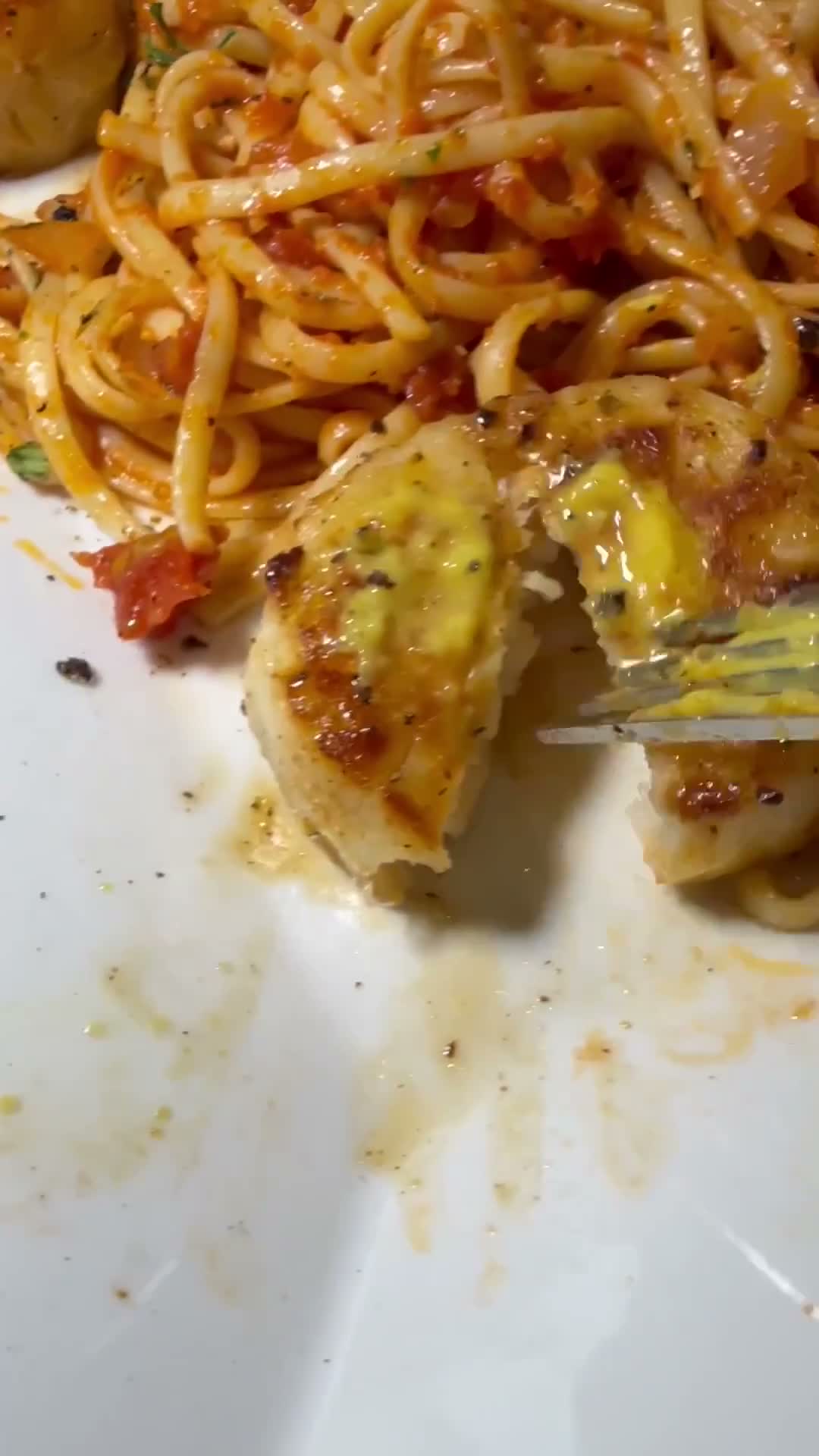
Meat gets the simpler treatment. The gyros are made in house, and the platter mixes pork, chicken and lamb with tzatziki and a house Meraki sauce, while the baby lamb chops arrive with Greek fries and more tzatziki. The Hidden Food video spends its time on the seafood: a whole grilled fish over orzo, scallops seared in a pan and set over spaghetti, and a fruit and yogurt dessert finished with honey. The menu's bronzino, served with spanakorizo, the spinach rice, and lemon oil, follows the same logic of fish grilled and finished with lemon.
A Bar That Stays Greek
The drinks keep to the theme. The wine list runs to assyrtiko from Santorini and the Cyclades and xinomavro from Drama, and the cocktails borrow from the kitchen: a whiskey washed with lamb fat, a pisco sour built on a baklava and pistachio cordial. In 2024 the restaurant expanded and renovated with a retail business grant from the Miami Downtown Development Authority, as Miami New Times reported, and reopened with more seating and a larger room. In a downtown that keeps changing its mind, a flaming pan of cheese is a steady argument, ten years running.
What the critics say
Miami New Times gave Meraki its Best Greek Restaurant award in its 2021 Best of Miami awards.
The Infatuation described Meraki as a Greek restaurant slightly hidden in a random little alley, and recommended it for casual dinners, lunch and sitting outside.
Time Out rated Meraki four out of five stars, calling its Greek food authentic and its prices reasonable enough for a solid lunch or casual dinner.
Miami New Times reported that Meraki expanded and renovated its downtown restaurant with a retail business grant from the Miami Downtown Development Authority, reopening with more seating.