Top 20 Italian restaurants in New York City
The top 20 Italian restaurants in New York City2026 EditionUpdated
Our editors' picks: Italian restaurants in New York City that local foodies have actually eaten at, with the videos filmed at each one.
Number 1: Piccola Cucina Osteria
Full profileMinimizeSicilian cooking from Catania-born chef Philip Guardione in SoHoPiccola Cucina Osteria serves Sicilian food from chef Philip Guardione, from pane cunzato to arancino Catanese, on Spring Street in SoHo.Info, rank history and votes
Info
- Cuisine
- Italian
- Price
- $$
- Address
- 196 Spring St
Known for
- Pane cunzato
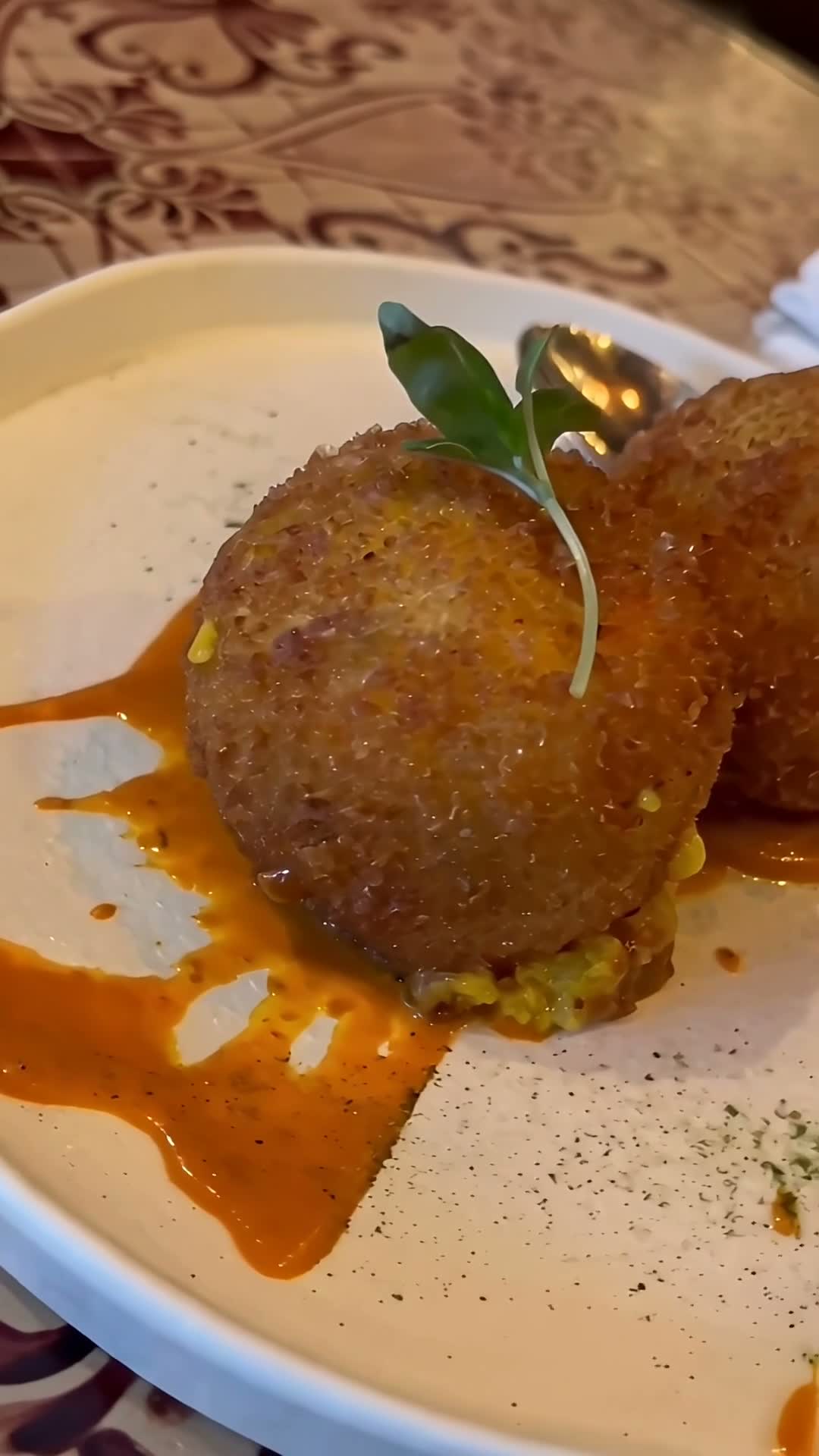
- Arancino Catanese
- Maccheroni alla Norma
- Tableside tiramisu
- Almond granita with brioche
What do you think?
Is #1 the right place for Piccola Cucina Osteria?
No votes yet. Be the first.
Why it's here By Hidden Food editors
Sicilian cooking from Catania-born chef Philip Guardione in SoHo
Piccola Cucina Osteria serves Sicilian food from chef Philip Guardione, from pane cunzato to arancino Catanese, on Spring Street in SoHo.
A Chef's Etna Childhood, Served on Spring Street
Pane cunzato opens the menu at Piccola Cucina Osteria, and it is barely a recipe: toasted Sicilian bread dressed with olive oil and oregano, then topped with primo sale, anchovies and a purée of cherry tomatoes. The dish has nowhere to hide. The bread has to hold up under the oil, the oil has to taste of something, and the anchovy has to bring salt and depth without taking over, which is more or less the test a reviewer at Zafferano & Co set for it. A rustic plate of toast, then, placed first on the menu of a SoHo restaurant, and a fair statement of intent.
Behind it is Philip Guardione, born in Catania and raised between Sicily and Switzerland, who cooked at the Four Seasons in Milan and as a private chef in Sardinia before arriving in New York. He opened the first Piccola Cucina in SoHo in 2008, a 300-square-foot enoteca, and the Osteria followed in 2013. In August 2025 it reopened in a larger room of 900 square feet and fifty seats, next door to the old dining room, which became a wine bar called Piccola Cucina Enoteca e Bacaro. After fifteen years of menus that covered the length of Italy, Guardione said, the moment had come to cook the nonna plates of his own childhood.
The Arancino and the Pastas
The pastas stay inside the island's repertoire: maccheroni alla Norma, with eggplant in tomato sauce and ricotta on top; a ruby-red prawn pasta built on prawns from Mazara; busiate with pistachio and squid. The Zafferano & Co review found real Sicilian ancestry in all of it and asked only that the kitchen trust that ancestry a little more.
The dish has nowhere to hide.
Sweets, Made at the Table
Dessert leans on the island too. Almond granita is made fresh daily and comes with brioche col tuppo, a pairing Guardione has argued deserves a place on American menus now that gelato no longer needs explaining. Tiramisu and cannoli are finished tableside, which in a room of fifty seats, with tables set close together, is a small piece of theater played at short range. Order the pane cunzato first, the arancino second, and let the granita have the last word.
What the critics say
Zafferano & Co found real Sicilian roots in the menu, singled out the pane cunzato as the thing to order, and said the restaurant's challenge is confidence rather than authenticity.
Cititour reported that the Osteria reopened in August 2025 in a larger 900-square-foot space steps from its original enoteca, with Guardione turning toward his Sicilian roots.
Tasting Table noted the opening of Guardione's SoHo spot with a Sicilian menu of pasta, seafood such as swordfish wrapped around buffalo mozzarella, and cassata cake.
Pros
- Pane cunzato with anchovy, primo sale and tomato purée
- Fried arancino Catanese filled with ragù and mozzarella
- Sicilian pastas like maccheroni alla Norma and pistachio busiate
- Tiramisu and cannoli finished tableside, plus fresh almond granita
Cons
- Small room with tables set close together
- Booking ahead is advised
Number 2: Rubirosa
Full profileMinimizeThin-crust pizza and red-sauce Italian from a Staten Island family, in NolitaRubirosa at 235 Mulberry St in Nolita serves thin-crust pizza, including the Tie Dye, plus handmade pasta, from a Staten Island pizza family.Info, rank history and votes
Info
- Cuisine
- Pizza
- Price
- $$
- Address
- 235 Mulberry St
Known for
- Tie Dye pizza
- Thin-crust pies
- Vodka sauce
- Handmade pasta
- Gluten-free menu
What do you think?
Is #2 the right place for Rubirosa?
No votes yet. Be the first.
Why it's here By Hidden Food editors
Thin-crust pizza and red-sauce Italian from a Staten Island family, in Nolita
Rubirosa at 235 Mulberry St in Nolita serves thin-crust pizza, including the Tie Dye, plus handmade pasta, from a Staten Island pizza family.
Staten Island Thin Crust, Swirled With Pesto on Mulberry Street
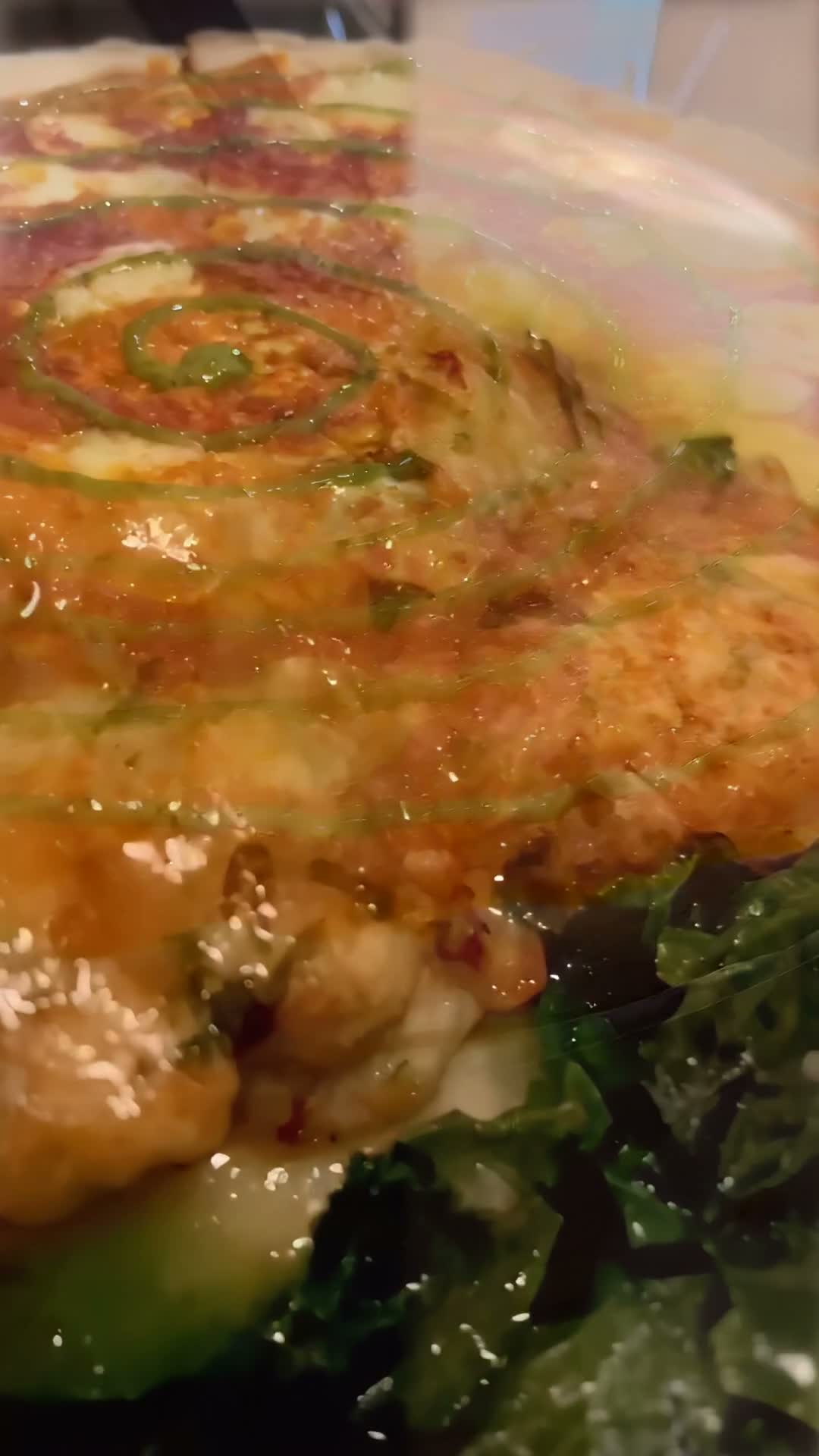
The Tie Dye starts the way a margherita would, with fresh mozzarella on a thin crust, and then departs from it. Tomato sauce and vodka sauce share the surface, and a spiral of pesto goes over both. The Infatuation notes that the pesto is swirled on at the table, which turns the pie into a small piece of theater. The restaurant has trademarked the name, which says how it sees the thing. Pesto and vodka sauce both carry cheese, so the pie cannot be made vegan, a point the menu states outright.
A chicken cutlet over spinach and mashed potatoes gets the first look, and then the thin-crust Tie Dye arrives with its green spiral, which needs no caption. On Mulberry Street the pie works as a signature in the literal sense.
A Family Recipe From Staten Island
Rubirosa opened in 2009, and its pizza has a lineage. Giuseppe Pappalardo founded Joe & Pat's, a Staten Island institution, and his son AJ opened Rubirosa to build one of his own in Manhattan, starting from the family's pizza recipe. The Classic, tomato sauce and mozzarella, is still listed as the Pappalardo recipe established in 1960. AJ kept his father's technique and added newer sauces and toppings, the vodka pie among them.
Time Out described the result as crisp yet pliable, with a delicate char and a small ring of crackerlike crust at the edge. The same review used a useful shorthand for the style: Staten Island pies, which is to say thin crust with vodka sauce. Rubirosa's version has the vodka sauce on the pizza and, as of the Tie Dye, the pesto on top of it.
The restaurant has trademarked the name, which says how it sees the thing.
The Pasta Is the Argument
The Infatuation's review makes the case that the Tie Dye is only the beginning, and that the other food is as good as the pizza or better. It singles out a velvety carbonara and cavatelli with red pepper flake, broccoli rabe and big knobs of sausage. Lumache alla Vodka carries the pizza's signature sauce onto handmade pasta, and a Black & White Tagliatelle of squid ink pasta, shrimp, cockles and calamari moves toward the sea. A full gluten-free pizza list mirrors the main one, Tie Dye included.
A Hard Table in Nolita
The room sits on Mulberry Street between Prince and Spring, in the part of Nolita that used to be called Little Italy, and it fills accordingly. Reservations are released a week out and go quickly, though walk-ins are accepted, and the host may send them off for a couple of hours. The restaurant now sells its own jarred sauces, a mark of how far the family recipe has traveled from Staten Island. Order the Tie Dye for the spiral, then keep the table for the carbonara.
What the critics say
The Infatuation called Rubirosa a Nolita institution and argued that the pasta, such as the carbonara and the cavatelli with sausage and broccoli rabe, deserves as much attention as the Tie Dye pizza.
Time Out described the pies as crisp yet pliable, with a delicate char and a thin ring of crackerlike crust around the edge.
Time Out gave the restaurant four stars and named the Tie Dye its most famous pie, a margherita variation with vodka sauce and pesto swirled on top in place of basil.
Pros
- Tie Dye pizza swirls pesto over vodka sauce
- Crisp, pliable thin crust with delicate char
- Handmade pastas like carbonara and sausage cavatelli
- Full gluten-free pizza menu mirrors the main one
Cons
- Reservations open a week out and go fast
- Walk-in waits can stretch to a couple hours
- Tie Dye can't be made vegan
Number 3: Evelina
Full profileMinimizeItalian and Mediterranean pastas on the corner of DeKalb and AdelphiEvelina in Fort Greene, Brooklyn: Italian and Mediterranean cooking, daily-changing pastas and weekend brunch on DeKalb Avenue.Info, rank history and votes
Info
- Cuisine
- Italian
- Price
- $$$
- Address
- 211 De Kalb Ave
Known for
- Squid ink malloreddus
- Persimmon and beet salad
- Charred octopus
- Daily-changing menu
- Weekend brunch
- Cocktails named for Shakespearean women
What do you think?
Is #3 the right place for Evelina?
No votes yet. Be the first.
Why it's here By Hidden Food editors
Italian and Mediterranean pastas on the corner of DeKalb and Adelphi
Evelina in Fort Greene, Brooklyn: Italian and Mediterranean cooking, daily-changing pastas and weekend brunch on DeKalb Avenue.
A Boulud Veteran's Pastas on the Old Chez Oskar Corner
The pasta that sets Evelina apart is black: squid ink malloreddus, the small ridged shells of Sardinia, which The Infatuation called "one of the better seafood pastas around". Squid ink has been in the kitchen's vocabulary since the restaurant opened in November 2017, when it appeared as spaghetti with razor clams, alongside charred octopus. The menu changes daily, as it did then, so any given plate is a snapshot rather than a promise. What stays constant is the hand behind it, and that hand was trained somewhere considerably fancier than a neighborhood corner.
It is a useful map of the place: the pastas and the salad are the reason, and the large plates are optional.
A Boulud Alumnus's Menu
Lanfranco Paliotti, the executive chef, came up through Daniel Boulud's Daniel and Boulud Sud and through Heinz Beck's Michelin-starred Apsleys in London. Opening coverage said the training shows in pastas built with complex layers of flavor. He wrote the menus for sharing and passing rather than for a formal march of courses, and he changes them according to what looks good at the market. The owner is Ricardo Buitoni, whose Aurora Restaurant Group also runs Emporio and Aurora SoHo, with Giuseppe de Francisci as managing partner. The cooking is Mediterranean with strong Italian overtones, which is a fair way to describe a menu that moves from pasta to charred octopus without apology.
The Salad and the Fine Print
The Infatuation's critic put the persimmon and beet salad down as a favorite appetizer and said it alone could justify a visit, and singled out a dessert of dark chocolate tart with crème fraîche and sea salt. The same review was frank about the rest: the branzino and the roasted chicken tended to be forgettable, and they kept the score from climbing higher. It is a useful map of the place: the pastas and the salad are the reason, and the large plates are optional. That fits a kitchen whose menu is written for passing plates around the table, where the cooking is most at ease in the middle of the meal.
The Old Chez Oskar Corner
The room sits at DeKalb and Adelphi, in the space that Chez Oskar, a French bistro, occupied before it moved to Bed-Stuy in 2016. Evelina opened there on November 9, 2017, with a 34-seat dining room of wood floors, royal blue banquettes and mosaic tile, and cocktails by Simon Sebbah named for Shakespearean women. Tables and chairs line the corner outside, two minutes from Fort Greene Park. Brunch runs on weekends, and the long bar fills along with the tables.
Evelina has held DeKalb Avenue since 2017, and when the team opened Rosticceria Evelina in Clinton Hill in early 2024, BKMAG remembered the original for a well-regarded charred octopus and a popular, quite boozy brunch. Come for the pasta, and let the branzino and the roasted chicken pass.
What the critics say
The Infatuation said Evelina feels cooler than most neighborhood restaurants in Fort Greene, praising its sleek, dim space and pastas, while finding the non-pasta mains forgettable.
BKMAG described Evelina as a Mediterranean-ish restaurant on DeKalb Avenue since 2017, known for a well-regarded charred octopus and a popular, quite boozy brunch.
FSR magazine reported that Evelina opened as a modern trattoria from Aurora Restaurant Group, with Lanfranco Paliotti in the kitchen and menus designed for sharing and changed daily.
Gayot noted that Evelina occupies the former Chez Oskar space and reflects Fort Greene's pull as a destination for upscale, relaxed eating.
Pros
- Squid ink malloreddus is the standout pasta
- Persimmon and beet salad could justify a visit
- Chef trained under Boulud and Heinz Beck
- Sleek room with corner tables outside
Cons
- Branzino and roasted chicken tend to be forgettable
- Menu changes daily, so dishes may not appear
- Dim room and a long bar that fills up
How we pick
An editorial list
Every restaurant here has been visited by local foodies who have actually eaten there. The videos are filmed at the table, so you can see the food before you go, and each place has a full profile with what to order and what it costs.
Keep eating
More top lists in New York City
-
Top 20 Korean restaurants in New York City
Her Name is Han, C as in Charlie, Gurumé and more
See the list
Know one that belongs here?
Post a video of it on Hidden Food, and our local foodies will take a look.
Post a video