Top 20 Korean restaurants in New York City
The top 20 Korean restaurants in New York City2026 EditionUpdated
Our editors' picks: Korean restaurants in New York City that local foodies have actually eaten at, with the videos filmed at each one.
Number 1: Her Name is Han
Full profileMinimizeHomestyle Korean cooking, stews and set meals, a block outside KoreatownHer Name Is Han serves homestyle Korean food, from seafood stews to bapsang sets, on East 31st Street just outside Manhattan's Koreatown.Info, rank history and votes
Info
- Cuisine
- Korean
- Address
- 17 E 31st St
Known for
- Spicy seafood stew with dumplings
- Budae hot pot
- Kimchi pancake
- Slow-cooked pork belly
- Weekend brunch bapsang
- Lunch sets
What do you think?
Is #1 the right place for Her Name is Han?
No votes yet. Be the first.
Why it's here By Hidden Food editors
Homestyle Korean cooking, stews and set meals, a block outside Koreatown
Her Name Is Han serves homestyle Korean food, from seafood stews to bapsang sets, on East 31st Street just outside Manhattan's Koreatown.
Homestyle Korean, Named for the Owner's Mother, Off Koreatown
Kihyun Lee named the restaurant for his mother, and the kitchen on East 31st Street has cooked to that brief since 2015: homestyle Korean food, built to be shared across a table rather than eaten off a single plate. Eater NY, naming it one of the city's best Korean restaurants, called it a "sneaky-great" spot a Midtown block outside Koreatown and noted that it is run by Hand Hospitality. That is a fair description of where it sits, close enough to the neon to draw a crowd and far enough from it to set its own terms.
The room is rustic and low-lit, with the Empire State Building looming nearby and a jazz-and-soul soundtrack that sets it apart from the glitzier Korean restaurants in the neighborhood. It is the kind of place that wants to feel lived in rather than staged, and the cooking follows. Nothing on the menu is dressed up to look like a statement. The statement is made by the way the meal is arranged.
The cooking is home cooking that has been allowed a little curiosity, which is a decent description of the whole menu.
The Logic of the Bapsang
The organizing idea is the bapsang, the set meal, and the brunch version shows how one is put together: three kinds of banchan, a daily soup and salad, a deep-fried boiled egg with soy-sauce dressing, salad kimchi, potato salad and rice, all wrapped around a main course. The mains stay close to the home table with a few detours, among them a kimchi shakshuka, in which poached eggs simmer in housemade kimchi and tomato sauce with pork ribs and fried tofu, and a gosari pasta of linguine with fern, fiddleheads and perilla powder. The cooking is home cooking that has been allowed a little curiosity, which is a decent description of the whole menu.
Stew Pots for the Table
The stews are where the restaurant makes its case. The Infatuation, which gave the restaurant an 8.2, singled out the spicy seafood stew with dumplings, a bubbling cauldron of shrimp, crab, clams and beef dumplings, as the dish that convinced its reviewer. The seafood tofu hot pot on the printed menu is a close relative: shrimp, crab, clams and soft tofu in a spicy vegetable broth. The budae hot pot goes toward abundance, with three kinds of ham, rice cake, noodles, beans, vegetables and cheese in a spicy homemade beef broth, in a 64-ounce pot sized for two or three. The same review noticed how fresh, even light, all of it felt, which is unusual in food this spicy and fermented.
Fire, Pork and a Soft Egg
The grill side of the kitchen works in two marinades: pork in a house gochujang sauce and bone-in beef in the chef's soy, both fire-grilled, with a slow-cooked pork belly as the other pork option. The camera on Hidden Food found the same register at the table, where a crisp kimchi pancake wears a soft-cooked egg that a pair of chopsticks breaks open, beside a pot of spicy stew, a grilled fish set meal, bulgogi and a dish of spicy marinated crab. Everything arrives with its banchan. Order the seafood stew for the table, and put the pancake and its egg beside it.
What the critics say
Eater NY named it one of the city's best Korean restaurants, praising its soul food since 2015 and a refined, comfortable room where placemats are stamped with the day's date.
The Infatuation gave it an 8.2 and said the spicy seafood stew with dumplings was the dish that showed the restaurant was going to be a star.
The Infatuation described the room as a cross between a library, an East Village apartment and a movie studio, and listed it among the best restaurants in NoMad.
Pros
- Spicy seafood stew with shrimp, crab, clams and dumplings
- Homestyle Korean cooking built to share across the table
- Weekend brunch bapsang comes with banchan, soup and rice
- Rustic, low-lit room with a jazz and soul soundtrack
Cons
- Lunch sets draw a crowd at midday
- Budae hot pot is sized for two or three
Number 2: C as in Charlie
Full profileMinimizeKorean-Southern small plates from three Atlanta friends, on Bleecker StreetC as in Charlie, a 40-seat NoHo restaurant on Bleecker Street serving Korean-Southern small plates, from oxbone cream pasta to Seoul'sbury steak.Info, rank history and votes
Info
- Cuisine
- Korean
- Address
- 5 Bleecker St
Known for
- Oxbone cream pasta
- Seoul'sbury steak
- Mushroom bibimbap
- Popcorn chicken
- Baby back ribs
- Michelin Bib Gourmand
What do you think?
Is #2 the right place for C as in Charlie?
No votes yet. Be the first.
Why it's here By Hidden Food editors
Korean-Southern small plates from three Atlanta friends, on Bleecker Street
C as in Charlie, a 40-seat NoHo restaurant on Bleecker Street serving Korean-Southern small plates, from oxbone cream pasta to Seoul'sbury steak.
Spaghetti in Oxbone Broth, and Other Atlanta-Korean Ideas
The oxbone cream pasta at C as in Charlie starts with a substitution. David Yun's mother, cooking seolleongtang in Atlanta, used spaghetti in place of Korean wheat noodles, and that improvisation now arrives with bacon and scallion. Chef Eric JaeHo Choi built his version on the logic of cacio e pepe. Black pepper does the loud work, and ox bone broth takes the place of Parmesan as the savory note. He has said the pepper mattered most when he researched the soup. It is a family kitchen's workaround translated into a Roman technique, and it explains most of what the restaurant is up to.
The restaurant opened in 2022 on Bleecker Street, in NoHo. It is the first joint venture of three childhood friends who grew up in Atlanta. Choi cooks, his brother Steve is the general manager, and Yun runs operations. Choi came up in serious New York kitchens, The NoMad among them, and told StarChefs that his identity is Korean while the structure of the culinary world is European. The menu is his answer: technical cooking spent on small, playful plates, with the Southern table of their Atlanta years on one side and their parents' improvised Korean cooking on the other.
Southern Plates, Korean Logic
Salisbury steak becomes Seoul'sbury steak, a beef patty laid over gruyere grits with a galbi jus. The grits are Southern, the jus is Korean, and the cheese is French, which is the restaurant's method in one plate. Baby back ribs take a harissa glaze and a plum coulis, a pairing that owes nothing to either home tradition and works anyway.
It is a family kitchen's workaround translated into a Roman technique, and it explains most of what the restaurant is up to.
Mushrooms Reduced Like Tare
The mushroom bibimbap is built on hen of the woods and shimeji, with an egg and pickled shallots. For the mushroom base, Choi follows the method behind Japanese tare, boiling soy sauce down with other ingredients until it concentrates. The dish predates the restaurant. Yun has said Choi worked on it when the two lived together, and that they liked it enough to keep it. It is the quietest plate on a menu given to jokes, and the one that shows how much cooking sits underneath them.
A Small Room, a Moving Menu
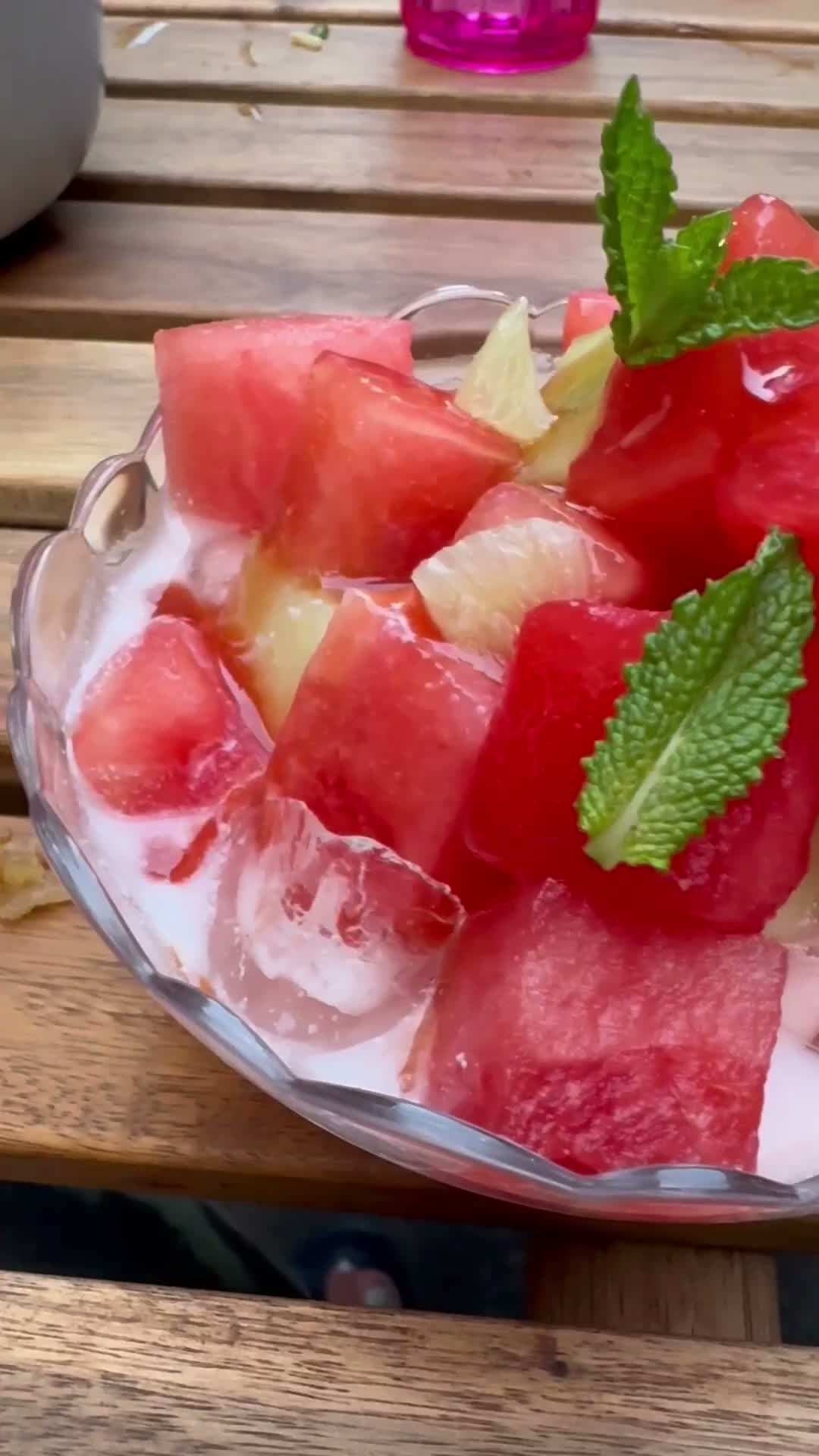
The room seats about 40, and the Michelin Guide's inspectors warned that a neighbor at a tight table may become a friend. The menu is compact, around ten dishes, written for sharing. Desserts keep the wordplay going: B as in Banana comes with misugaru, creme anglaise and meringue, and Charlie's Deli Bagel is a monaka filled with cream cheese gelato and jelly. Natural wine, beer, sake and soju fill the drinks list. The camera has also found newer dishes, a whipped potato cream curry udon and an iced watermelon dessert with mint, so the menu keeps moving. Start with the pasta, because the rest of the menu is its argument made longer.
What the critics say
Michelin Guide gave C as in Charlie a Bib Gourmand and said the chef's wildly creative, cultural collision cooking deserves to be top of mind.
StarChefs included C as in Charlie in a feature on New York chefs opening neighborhood restaurants, saying Choi's fine dining résumé shows in technical but playful dishes.
Pros
- Oxbone cream pasta built on cacio e pepe logic
- Seoul'sbury steak over gruyere grits with galbi jus
- Technical cooking in playful Korean-Southern small plates
- Michelin Bib Gourmand
Cons
- Tight 40-seat room, shared elbow room with neighbors
- Compact menu of about ten dishes
- Small plates meant for sharing, so order several
Number 3: Gurumé
Full profileMinimizeKorean tapas with Mexican and New York accents, on West 46th StreetGurumé serves Korean tapas from chef Joon Hyun Ryu on Restaurant Row in Hell's Kitchen: bossam, birria mandu, truffle rice cakes and soju cocktails.Info, rank history and votes
Info
- Cuisine
- Korean tapas
- Price
- $$
- Address
- 313 W 46th St
Known for
- Pork and radish bossam
- Birria mandu
- Crispy corn
- Truffle dduk and cheese
- Soju cocktails
- Black sesame bread pudding
What do you think?
Is #3 the right place for Gurumé?
No votes yet. Be the first.
Why it's here By Hidden Food editors
Korean tapas with Mexican and New York accents, on West 46th Street
Gurumé serves Korean tapas from chef Joon Hyun Ryu on Restaurant Row in Hell's Kitchen: bossam, birria mandu, truffle rice cakes and soju cocktails.
Korean Bar Food, Rewired for Restaurant Row
The pork belly bossam at Gurumé keeps its Korean logic and rearranges the furniture. The belly is braised and the radish is pickled, but the radish is cut into noodles, and the dwenjang, the fermented soybean paste that normally gives a stew its backbone, is turned into a crème. It is a small act of translation, and it sets the terms for the room: tradition is the starting point, never the limit. The restaurant calls its plates Korean tapas, which in practice means anju, the food Korean drinking tables are built around, cooked by a New Yorker for New York.
Joon Hyun Ryu runs the kitchen. He is a New York native with fifteen years of cooking behind him, and he aims to bring a touch of nostalgia through Korean-American dishes. Eater NY noted his time at Gansevoort Market and Barnjoo when it listed the restaurant among the openings of March 2024. Gurumé is his first venture with Kevin Chand, a longtime friend who shares ownership. The name means "in the clouds" in Korean, a small boast about ambition that the menu does its best to back up.
A Korean Pantry, Borrowed Widely
The cross-borrowing is the point, and the plates are open about it. Eater NY's roundup singled out the crispy corn, dressed with gochujang, cotija, cilantro and achiote, and the tempura oyster mushroom tacos with pico de gallo: a Korean chile paste sharing a bowl with Mexican cheese and annatto, a Korean-leaning kitchen frying a mushroom where a taco would usually carry meat. Birria mandu runs on the same idea, a Mexican braise inside a Korean dumpling.
It is a small act of translation, and it sets the terms for the room: tradition is the starting point, never the limit.
Rice Cakes, Rice Bowls, and Crunch
Crunchy quinoa turns up on the truffle dduk and cheese and again on the Berkshire kimchi fried rice, which suggests a kitchen that thinks about texture before it thinks about flavor. The dduk is Korean rice cake browned in butter, sauced with six cheeses and served with garlic crostini, a bar-snack answer to tteokbokki. The fried rice pairs Berkshire pork with caramelized kimchi, and the quinoa adds a dry crackle against the soft rice cake and the cheese.
The mushroom harvest bowl is the quieter argument. It combines seasonal mushrooms, a shoyu made with Korean pear, toasted rice and an onsen tamago, the slow-cooked egg that is meant to be broken.
A Room With a Steakhouse Past
Gurumé sits on Restaurant Row in the former home of Broadway Joe's Steakhouse, in the Theater District, a block of long-running New York dining rooms it joined as a newcomer. The room is intimate rather than grand, and the bar matters: the cocktail list is built around soju elixirs, which suits food designed to be eaten alongside a drink. The menu turns over with the seasons. Dessert is a warm black sesame bread pudding with vanilla bean ice cream and raspberry powder. Start with the bossam, finish with the pudding, and let the soju fill the space between.
What the critics say
Eater NY included Gurumé in its March 2024 roundup of new restaurants, describing a Korean tapas bar by Joon Hyun Ryu serving fusion bar snacks such as crispy corn and oyster mushroom tacos.
Pros
- Pork and radish bossam with dwenjang crème
- Birria mandu blends Mexican braise with Korean dumpling
- Truffle dduk with six cheeses and crunchy quinoa
- Soju cocktails suit the shareable bar plates
Cons
- Plates are small, so order several to share
- Seasonal menu means favorites may disappear
Number 4: Oncheon NYC
Full profileMinimizeKorean shabu-shabu in a hot spring-themed room on Fifth AvenueOncheon NYC serves Korean shabu-shabu with doenjang and spicy broths in a hot spring-themed room on Fifth Avenue in Koreatown.Info, rank history and votes
Info
- Cuisine
- Korean
- Address
- 312 5th Ave
Known for
- Doenjang shabu-shabu
- Hot spring-themed room
- Chanhap meal boxes
- Freshly made kalguksu noodles
What do you think?
Is #4 the right place for Oncheon NYC?
No votes yet. Be the first.
Why it's here By Hidden Food editors
Korean shabu-shabu in a hot spring-themed room on Fifth Avenue
Oncheon NYC serves Korean shabu-shabu with doenjang and spicy broths in a hot spring-themed room on Fifth Avenue in Koreatown.
Korean Shabu-Shabu in a Room Built Like a Hot Spring
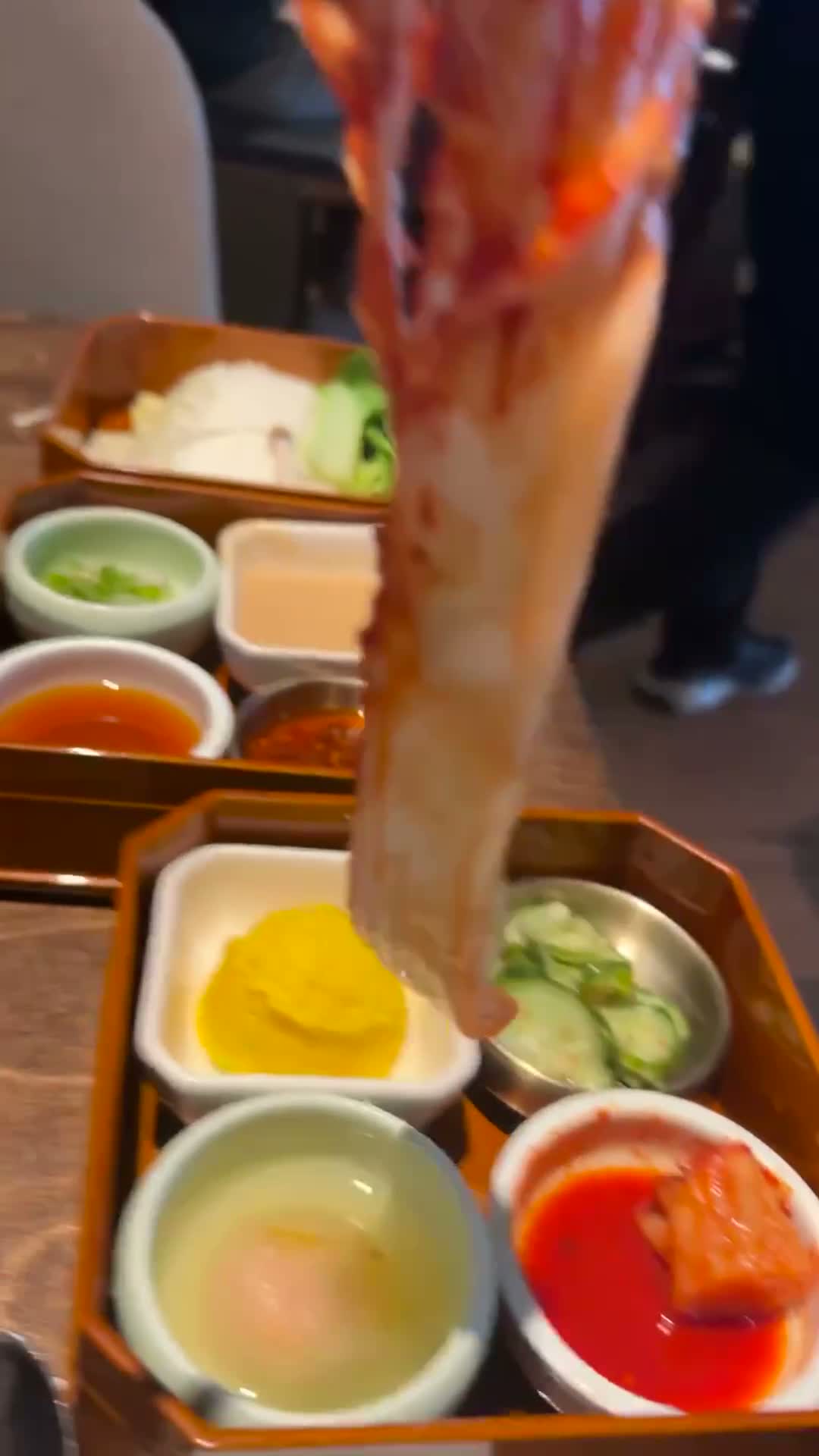
The shabu-shabu at Oncheon arrives in stacked wooden boxes: banchan on one level, vegetables and thinly sliced meat on others, a portion of freshly made kalguksu noodles on another, all set beside the pot that will do the cooking. The broth is the decision that matters. The signature is doenjang, built on the fermented soybean paste that gives so much Korean home cooking its savory backbone, and the other standard choice is a spicy version.
Oncheon is Korean for hot spring, and the restaurant keeps to the name. It comes from Glow Seoul, the South Korean hospitality group, which opened the original in Seoul's Iksun-dong district. The room on Fifth Avenue between 31st and 32nd Streets is its first in the United States. The cooking draws on hansik, Korean food rooted in tradition and seasonal ingredients, and it is applied to a format New Yorkers mostly know as all-you-can-eat. Oncheon is not all-you-can-eat, and the team has said it knows that means the service, the room and the quality of the meat have to carry the price.
What it adds to the neighborhood is a hot pot that expects to be finished, not conquered.
A Pot Meant to Nourish
The reasoning is borrowed from the baths. In Korea, oncheon soaking is a daily wellness practice, and the kitchen aims to leave people nourished rather than stuffed, so the toppings lean toward unprocessed ingredients, with fish cakes and noodles as optional extras. Past doenjang and spicy, the broths include a spicy curry and a porcini mushroom, and a porcini and kombu version for vegetarians. The Infatuation, in its review, called the Korean-style shabu-shabu rich and seemingly never-ending, and praised how beautifully it is presented.
Lunch changes the format. The chanhap meal box is a layered arrangement of small dishes, among them bossam rolled kimchi and a yuzu lychee jelly to finish. The set meals put a protein over seasoned rice: grilled eel with tamago, or flat iron steak with a poached egg, mushrooms, roasted whole garlic and pickled ginger. Both come with banchan, miso soup and a drink. It is a calmer, quicker way into the same kitchen, and a plainer test of how the place handles a single bowl of rice.
A Spa Off Fifth Avenue
The room takes its cues from hanok inns, with pinewood finishes, moss accents and running water, as Cititour reported when it opened. The Infatuation described the more literal touches: a large TV screen in each booth playing snowy spa scenes, and a water feature covered in fake snow in the front window. Its critic judged that none of this fully transports you out of Koreatown, but still found the room relaxing, which is probably the fairer ambition. A hot spring theme on a Midtown block is a stage set, and the restaurant does not pretend otherwise. What it adds to the neighborhood is a hot pot that expects to be finished, not conquered.
What the critics say
The Infatuation called the Korean-style shabu-shabu rich and seemingly never-ending, and found the spa-like room relaxing even though it doesn't fully transport you out of Koreatown.
Cititour reported on the opening as the U.S. debut of Glow Seoul's Oncheon, a hansik-based menu in a hanok-inspired room of pinewood, moss and flowing water.
Pros
- Doenjang broth with a savory fermented soybean backbone
- Shabu-shabu arrives in stacked boxes with fresh kalguksu
- Hot spring-themed room with pinewood, moss and running water
- Lunch chanhap boxes and protein-over-rice sets
Cons
- Not all-you-can-eat, so price rides on quality
- Theme doesn't fully transport you out of Koreatown
Number 5: Seoul BAP
Full profileMinimizeModern Korean small plates and cocktails in a landmark NoMad buildingSeoul BAP serves modern Korean tapas, bibimbap, galbi jjim and fried chicken with craft cocktails on West 27th Street in NoMad, Manhattan.Info, rank history and votes
Info
- Cuisine
- Korean
- Price
- $$$
- Address
- 55 W 27th St
Known for
- Burrata tteokbokki
- Galbi jjim
- Korean fried chicken
- Bibimbap with jidori egg
- Dakgalbi rosé pasta
- Korean tapas and cocktails
What do you think?
Is #5 the right place for Seoul BAP?
No votes yet. Be the first.
Why it's here By Hidden Food editors
Modern Korean small plates and cocktails in a landmark NoMad building
Seoul BAP serves modern Korean tapas, bibimbap, galbi jjim and fried chicken with craft cocktails on West 27th Street in NoMad, Manhattan.
Rice in the Name, Burrata in the Tteokbokki
The bibimbap is built from sautéed carrots, spinach, zucchini, shiitake, bean sprouts and cucumber, finished with a fried jidori egg and toasted nori. The name of the restaurant explains the dish. Bap is the Korean word for rice and for a meal, and the two friends who started Seoul BAP took it as a thesis: Korean soul food, in their phrase, served with New York energy.
The bowl is the anchor rather than the point. The menu is written as modern Korean tapas, small plates meant to be passed around a table, with a shorter run of mains rooted in tradition and a cocktail list alongside.
Tteokbokki With a Burrata Habit
The dish that best explains the kitchen is the burrata tteokbokki. Tteokbokki, the chewy rice cakes of Korean street food, is a dish with fixed ideas about itself, and here it takes on an Italian cheese. It is the signature, and the idea is repeated elsewhere on the menu: the dakgalbi rosé pasta pairs spicy Korean-style chicken with a gochujang-tomato cream sauce and al dente fusilli, and a tobiko cacio e pepe sits nearby.
A reviewer at the blog Mitzie Mee judged the approach to be confident and said the borrowings are subtle and purposeful, never crowding out the Korean foundation.
The bowl is the anchor rather than the point.
Fried Chicken, Corn Cheese, Sliders
The Korean fried chicken is double-fried and coated in a sticky, slightly sweet glaze. Mitzie Mee found it mild on its own, but when the writer asked for more heat, the staff brought out a house-made sambal, which turned out to be the right idea.
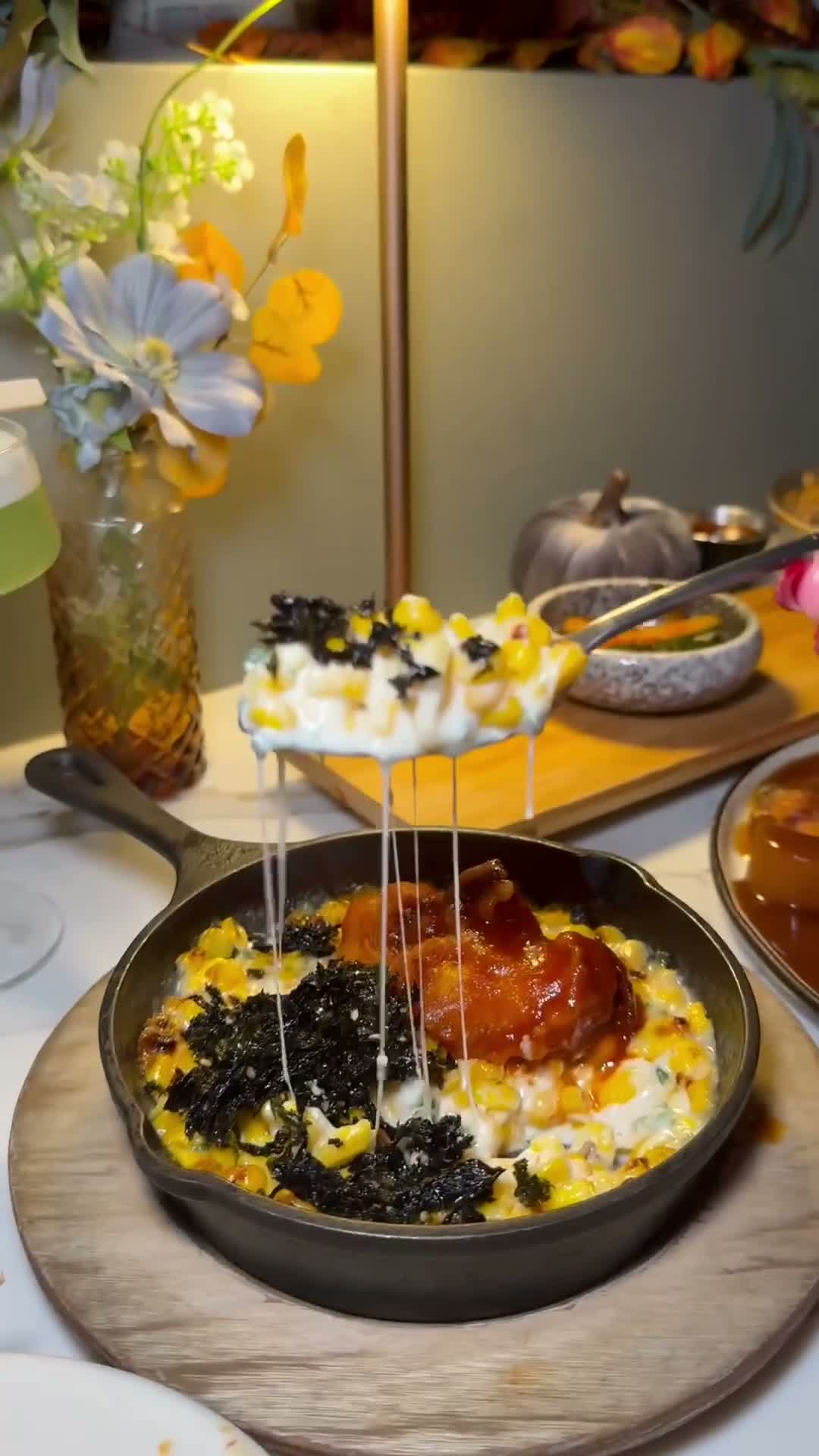
They share the frame with the corn cheese, which arrives in a skillet with seaweed, and with the sliders, topped with kimchi. This is bar food in the best sense: salty, rich and built to be eaten between sips of a Korean Pear or an Old Seoul Fashioned.
The Radio Wave Building
The restaurant sits inside the landmark Radio Wave Building on West 27th Street, near Madison Square Park, in a room the founders describe as cozy. It runs on a division of labor that suits the neighborhood: a bar and small plates for after-work drinks, and the slower, braised dishes for people who stay for dinner.
Of those, the galbi jjim, a braised short rib, is the one that keeps turning up in recommendations, and it is the plate to build a table around. Order it with the burrata tteokbokki, which is the place's whole argument in one dish.
What the critics say
Mitzie Mee described Seoul BAP as a new Korean restaurant mixing contemporary and traditional cooking, with fusion touches that enhance the traditional flavors rather than distract from them.
Pros
- Burrata tteokbokki blends Italian cheese with Korean rice cakes
- Galbi jjim braised short rib anchors a shared table
- Double-fried glazed chicken, with house-made sambal for heat
- Cozy room in a landmark NoMad building
Cons
- Fried chicken is mild without the sambal
- Parties of seven or more get a prix fixe menu
How we pick
An editorial list
Every restaurant here has been visited by local foodies who have actually eaten there. The videos are filmed at the table, so you can see the food before you go, and each place has a full profile with what to order and what it costs.
Know one that belongs here?
Post a video of it on Hidden Food, and our local foodies will take a look.
Post a video