Top 20 fine dining restaurants in Seattle
The top 20 fine dining restaurants in Seattle2026 EditionUpdated
Our editors' picks: fine dining restaurants in Seattle that local foodies have actually eaten at, with the videos filmed at each one.
Number 1: Seattle Caviar Company
Full profileMinimizeA caviar shop with a tasting counter on Eastlake Avenue East, open since 1990Seattle Caviar Company in Eastlake sells sturgeon caviar, champagne, foie gras and truffles, and runs spoon-by-spoon caviar tastings at its counter.Info, rank history and votes
Info
- Cuisine
- Specialty food
- Price
- $$$$
- Address
- 2922 Eastlake Ave E
Known for
- Caviar tastings
- Sturgeon caviar
- Champagne pairings
- Foie gras and truffles
- Mother-of-pearl spoons
What do you think?
Is #1 the right place for Seattle Caviar Company?
No votes yet. Be the first.
Why it's here By Hidden Food editors
A caviar shop with a tasting counter on Eastlake Avenue East, open since 1990
Seattle Caviar Company in Eastlake sells sturgeon caviar, champagne, foie gras and truffles, and runs spoon-by-spoon caviar tastings at its counter.
Caviar by the Spoonful, Poured Out on Eastlake Avenue
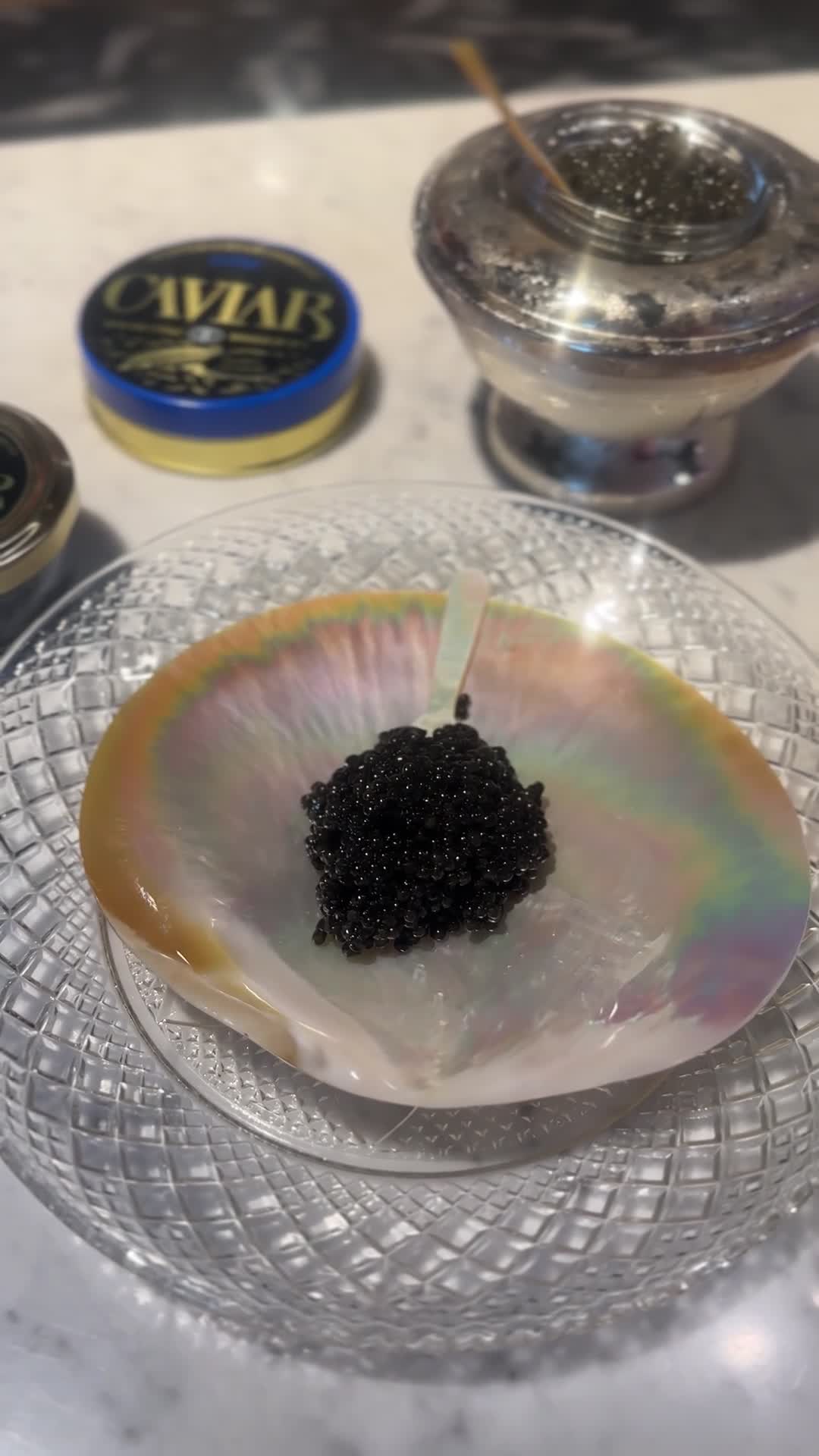
The first taste at Seattle Caviar Company arrives in a mother-of-pearl shell set on a glass plate, a small mound of dark roe with a pearl spoon beside it. The shell is the only ceremony the moment gets. Then the lid comes off a blue tin and the beads show themselves one at a time, clear to the edge, which is the part Hidden Food's camera lingers on. Behind the marble counter stand the tins and the stemware, and nearby are miniature blinis and a pour of champagne. This is a shop on Eastlake Avenue East, not a dining room. It specializes in caviar, champagne, foie gras and truffles, and it will let you work out the difference between one sturgeon and the next with a spoon.
Two Seattleites and a Habit
Dale and Betsy Sherrow are Seattle natives who came to caviar through European travel, and they opened the company in 1990. The business they built has kept its scale and its manner. It is a small, owner-run shop whose pitch rests on persuasion at the counter. Betsy Sherrow told KING 5 that if she can get a wary person to taste, they are nearly always pleasantly surprised. The shop's reach is wider than its storefront suggests: the Seattle Times noted that it supplies the Four Seasons Hotel and the chef Thierry Rautureau, and it also sells online, so the retail counter is one outlet for a supply business.
The shell is the only ceremony the moment gets.
Farm-Raised, on Purpose
The caviar itself has changed more than the shop has. In 1993 the company began working with American sturgeon farms to develop a sustainable product, and its stated aim became the finest sustainable caviar it could find. Today it says everything it sells comes from sustainable producers or fishermen. It also says it studies the living conditions and feed of its fish, wild or farmed, and that its caviar carries no added hormones, GMOs or antibiotics. KING 5 described the shift plainly: the wild Caspian Beluga that once defined the category has given way to farm-raised alternatives, with prices that tend to be gentler and flavors that still carry. Idaho sturgeon won over the first-time taster in the station's segment, and Belgian Osetra is among the varieties the shop carries.
A Tasting Run on Spoons
KING 5 compared the tasting to a wine flight in which the guests hold spoons instead of glasses, and the structure is as simple as that: a short procession of roes, sturgeon and otherwise, each taken straight off mother-of-pearl, which keeps metal from touching the eggs. The Seattle Times described a Caviar 101 tasting of six to eight selections, including a non-sturgeon roe and Osetra, offered during business hours without a reservation. A glass of champagne can be added, and Thursday evenings have carried a discount and an amuse-bouche built on caviar, truffles or foie gras. The point of the hour is the roe, tasted in sequence, with someone behind the counter who can say why one tastes the way it does.
What the critics say
The Seattle Times pitched a caviar tasting at the shop as a low-key date night, describing Caviar 101 as six to eight tastes of premium roe taken off mother-of-pearl spoons.
KING 5 reported that the shop's tasting lets guests sample seven varieties of caviar on mother-of-pearl spoons, and noted the move from wild Caspian sturgeon to sustainable, farm-raised roe.
Pros
- Spoon-by-spoon caviar tastings of six to eight roes
- Roe served on mother-of-pearl spoons, no metal contact
- Owner-run shop open since 1990, with staff who explain each roe
- Sustainable, farm-raised caviar plus champagne, foie gras and truffles
Cons
- Priced at the top tier, $$$$
- A retail shop, so tastings run in shop hours
- Thursday-evening tasting may no longer run; ask first
Number 2: Sushi Kashiba
Full profileMinimizeEdomae sushi from a Jiro Ono trainee, at the edge of Pike Place MarketSushi Kashiba, Shiro Kashiba's sushi restaurant by Pike Place Market in Seattle: counter omakase, nigiri, and the famous kasu black cod.Info, rank history and votes
Info
- Cuisine
- Sushi
- Price
- $$$$
- Address
- 86 Pine St
Known for
- Counter omakase
- Kasu black cod
- Sweet shrimp nigiri
- Uni gunkan
- Edomae-style nigiri
What do you think?
Is #2 the right place for Sushi Kashiba?
No votes yet. Be the first.
Why it's here By Hidden Food editors
Edomae sushi from a Jiro Ono trainee, at the edge of Pike Place Market
Sushi Kashiba, Shiro Kashiba's sushi restaurant by Pike Place Market in Seattle: counter omakase, nigiri, and the famous kasu black cod.
Shiro Kashiba Still Works the Counter Beside Pike Place Market
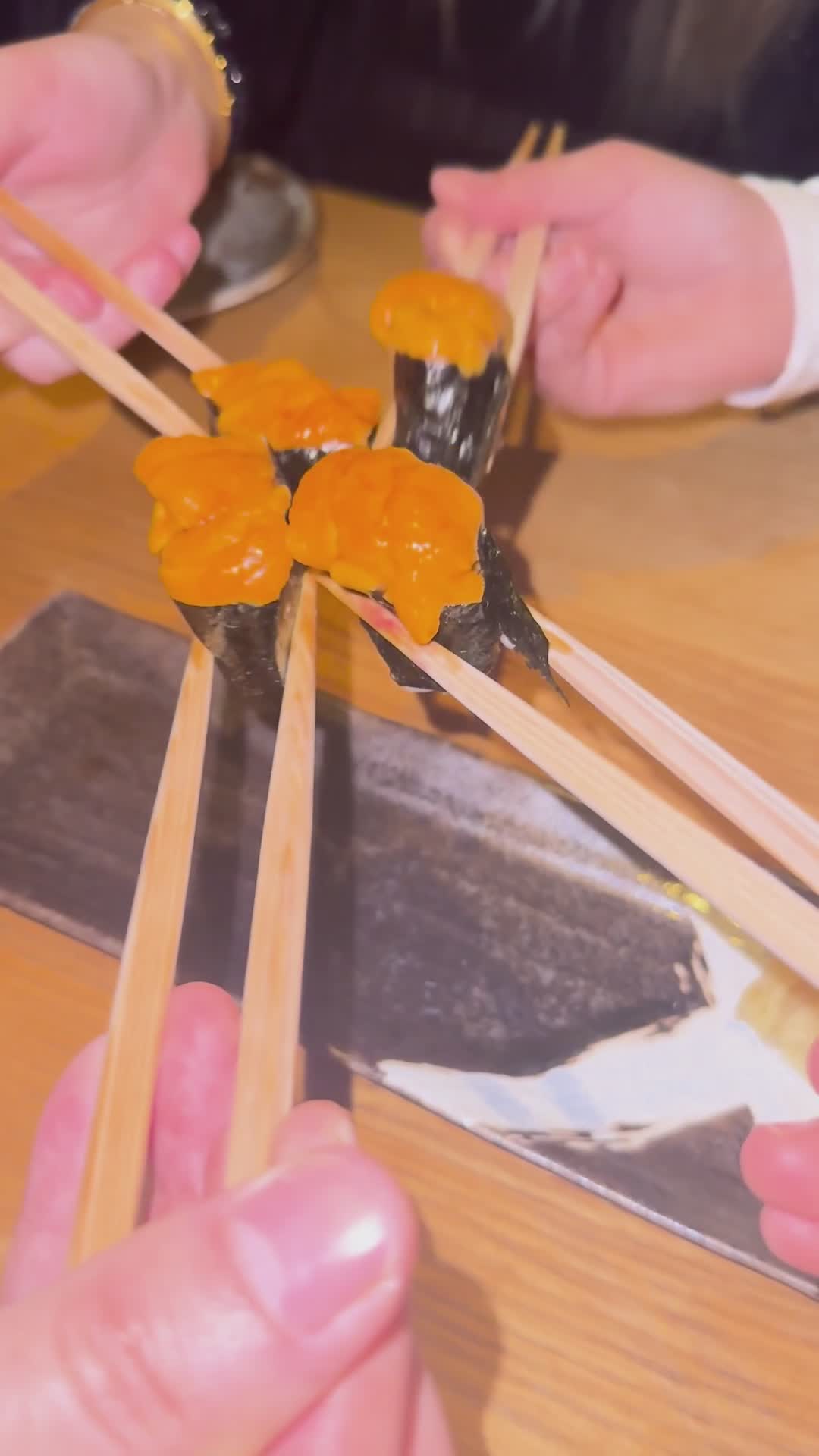
The sweet shrimp comes to the counter with its tails standing upright over the rice and the crisp-fried heads laid alongside on a black board, so that the plate reads as shrimp twice over: once raw and sweet, once crackling. The uni takes the opposite approach. It is set on rice in a band of nori, a gunkan with a glossy top and a brush of sauce, and the sea urchin is generous enough that the bite looks barely contained.
A Lineage Traced to Tokyo
Shiro Kashiba trained in Tokyo under Jiro Ono, and in 1970 he opened what the restaurant describes as Seattle's first sushi bar. Sushi Kashiba, which opened in December 2015, is his third restaurant in the city, and The Infatuation noted that he left his namesake restaurant to open it on the edge of Pike Place Market.
The restaurant's own site calls him a three-time James Beard Award nominee for Outstanding Chef. It also quotes the Seattle Times, which has called him Seattle's "Sushi Sensei". The cooking is Edomae in method and local in its fish, a combination that suits a room beside one of the country's best-known seafood markets.
The Counter, Start to Finish
The counter is omakase only, while the tables get an à la carte list and prix-fixe dinners. The Infatuation walked through the counter meal in order: salmon, then tuna, then white fish and shellfish, a few torched bellies and collars, mackerel, and squid. It closes with two kinds of eel and an egg course that serves as dessert. Each piece of nigiri arrives already brushed with soy, set on seasoned rice with a small dab of wasabi, and the servers advise leaving the soy dish alone.
The same review put the odds plainly. Shiro works the counter three days a week, and the first six people in line are the ones he serves. The other chefs on the line, according to an earlier Seattle Times review, had long worked alongside him at his previous restaurants.
The Black Cod Question
Not everything here is raw. The kasu black cod is steeped in sake lees and miso, then broiled until the surface caramelizes, and the Seattle Times has described it as the dish that inspired countless imitations around town. The Infatuation, for its part, found the fish sweet, savory and salty in equal measure.
It belongs to the table menu, which makes the choice a real one: the counter for the sequence of nigiri, or a table for the cod and the prix-fixe dinners that Time Out noted are open to table guests. Counter diners get the shrimp with its tails up. Table diners get the fish that other kitchens have been copying for years.
What the critics say
The Infatuation called Sushi Kashiba a Seattle institution and described the counter omakase as flawless, moving from salmon and tuna through shellfish, torched bellies and eel.
The Seattle Times called Shiro's kasu black cod iconic and said it had inspired countless imitations around town.
Time Out gave Sushi Kashiba five stars and noted that the chef's counter is omakase only, with seasonal ingredients in a traditional Edomae-style approach.
Pros
- Edomae sushi from a Jiro Ono trainee
- Kasu black cod, broiled until caramelized
- Sweet shrimp nigiri with crisp-fried heads
- Generous uni gunkan with glossy top
Cons
- Counter is omakase only
- Shiro serves only the first six in line
- Black cod and à la carte are table-only
Number 3: Wa'z Seattle
Full profileMinimizeChef Hiro Tawara's Northwest kaiseki, plated at a Belltown counterwa'z in Belltown, Seattle: chef Hiro Tawara's modern Northwest kaiseki, a seasonal tasting of eight courses served at an intimate chef's counter.Info, rank history and votes
Info
- Cuisine
- Japanese
- Price
- $$$$
- Address
- 411 Cedar St
Known for
- Monthly kaiseki menu
- Eight-course tasting
- A5 wagyu course
- Chef's counter seating
- Sake sampler
What do you think?
Is #3 the right place for Wa'z Seattle?
No votes yet. Be the first.
Why it's here By Hidden Food editors
Chef Hiro Tawara's Northwest kaiseki, plated at a Belltown counter
wa'z in Belltown, Seattle: chef Hiro Tawara's modern Northwest kaiseki, a seasonal tasting of eight courses served at an intimate chef's counter.
Kaiseki in Belltown, Finished by Hand at the Counter
The Seattle Times critic who reviewed wa'z on a Star Festival menu found the meal opening with sesame tofu, a staple of Japanese temple cuisine, and found most of what followed humble: sweet potato, corn, squash, okra, fish cakes. Uni and Japanese A5 wagyu made cameo appearances. The proportion is the point. Kaiseki began as a light meal eaten with the tea ceremony, and chef Hiro Tawara's version sits nearer to that origin than to the imperial banquet the form later became. It is a cuisine of restraint, and the restaurant at 411 Cedar Street is built to keep that restraint legible, one small vessel at a time.
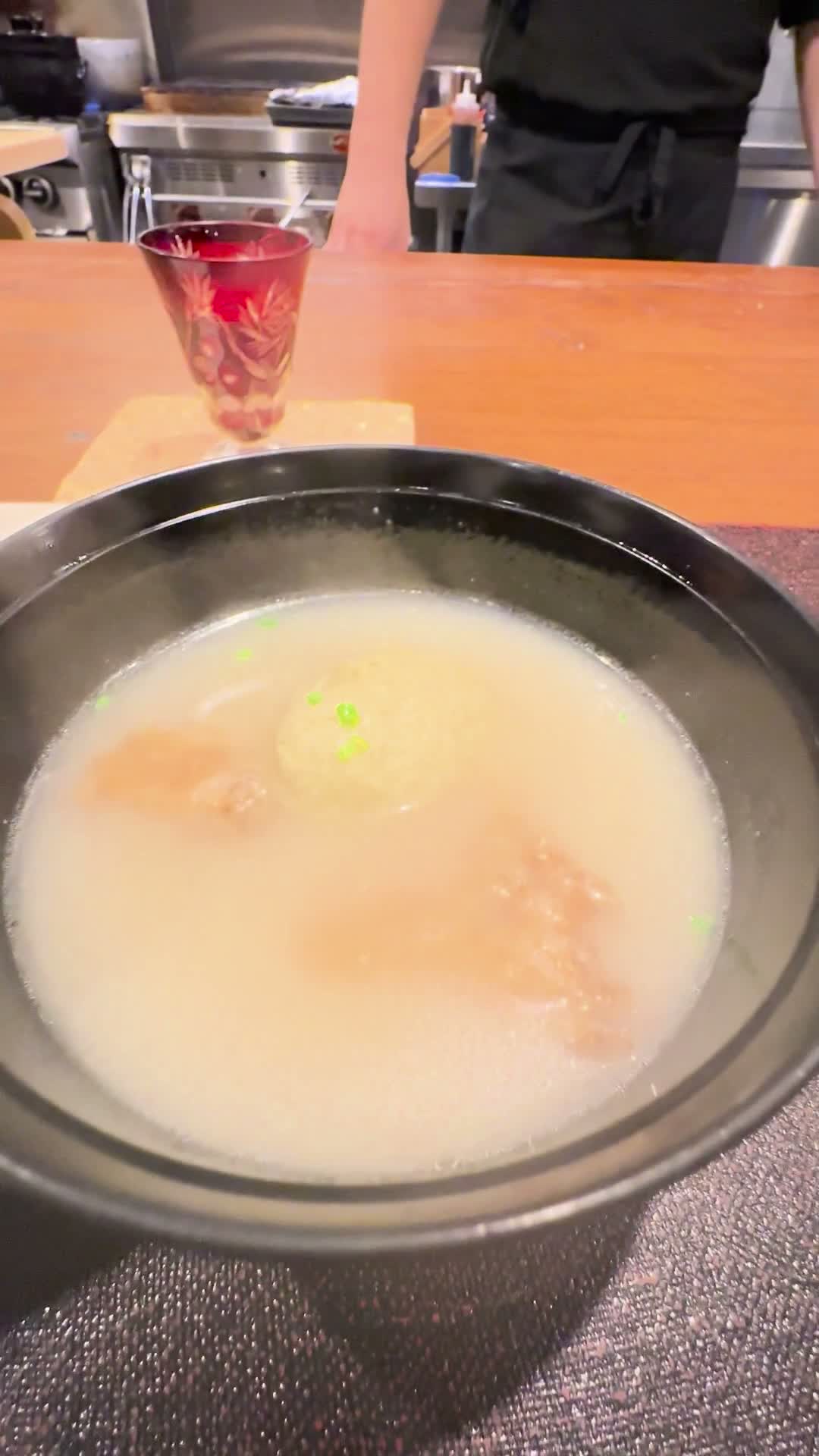
The room is organized around the chef's counter, with a handful of tables beyond it, and the counter is the seat recommended. The cooks line up little bowls along the surface and finish each by hand. A steaming cup of soup gives way, courses later, to dessert on bright red dishes, each with its own spoon. The camera stays on the wagyu, the soup, the crème brûlée and the ice cream, and most of all on the hands doing the finishing.
A Sushi Cook Turns to Kaiseki
Tawara came to this by way of two of Seattle's respected sushi counters, Shiro's and Sushi Kappo Tamura, before opening wa'z as chef and owner. Eater Seattle named it one of the city's hottest restaurants and said it had brought back the elegant art of Japanese kaiseki to Seattle. The restaurant describes its cooking as modern Northwest kaiseki, an artful, seasonal tasting, and it keeps a sake program to go with it, including a sampler.
The menu turns over every month, and each turn has a reason. The Star Festival month was one; a later menu has a tenderloin of A5 Miyazaki wagyu with seasonal mushrooms in the sixth course and fried figs in dashi sauce with daikon in the seventh. A regular is guaranteed a different dinner than the last one, built on the same discipline.
It is a cuisine of restraint, and the restaurant at 411 Cedar Street is built to keep that restraint legible, one small vessel at a time.
Eight Courses, Mostly Subtle
The Infatuation gave wa'z an 8.6 and described a meal of eight courses that holds steady even as the menu changes: appetizers and soup, a generous portion of wagyu, and several bites of terrific sushi, with small bites served in a leaf bowl. The reviewer's reservation is a useful one. The flavors, it said, run more subtle than innovative, which is a fair description of the form and not a complaint about it. Dinnerware is part of the argument, and the review admired it enough to want to take some home.
The Seattle Times was cooler. Its critic thought the dishes meticulously arranged but the cooking short of the sustained excellence she expects at this price, and wrote of delights and disappointments in each meal. That review was an earlier one, and the later notices lean warmer. Both agree on what the place is good at: composition, seasonality, and a kitchen that works in plain view. Take the counter seat, and take it for the finishing.
What the critics say
The Infatuation rated wa'z 8.6, calling it tasty, artful kaiseki worth a trip to Seattle Center, with subtle flavors and eight courses including wagyu and sushi.
Eater Seattle named wa'z one of the hottest restaurants in the city and said it had brought back the elegant art of Japanese kaiseki to Seattle.
The Seattle Times gave wa'z one and a half stars, finding the dishes meticulously arranged but the cooking short of the sustained excellence its critic expects at the price.
Seattle Met called the Belltown restaurant's eight-course menus the understatement of the year.
Pros
- Eight-course seasonal kaiseki with a monthly changing menu
- Chefs finish each course by hand at the counter
- Generous A5 wagyu course alongside terrific sushi bites
- Sake sampler and admired dinnerware round out the meal
Cons
- Reservations are required
- Priced at the top tier
- Flavors run subtle rather than bold
How we pick
An editorial list
Every restaurant here has been visited by local foodies who have actually eaten there. The videos are filmed at the table, so you can see the food before you go, and each place has a full profile with what to order and what it costs.
Keep eating
More top lists in Seattle
-
Top 20 Japanese restaurants in Seattle
Akebono Japanese Cuisine, Dumpling The Noodle, Secret Fort and more
See the list -
Top 20 Thai restaurants in Seattle
Bai Tong Thai Street Cafe, Bangrak Market, E-Jae Pak Mor and more
See the list -
Top 20 seafood restaurants in Seattle
Pike Place Chowder, Charlotte Restaurant & Lounge, Half Shell and more
See the list -
Top 20 dumpling spots in Seattle
Dumpling The Noodle, Betsutenjin Ramen and E-Jae Pak Mor
See the list -
Top 20 noodle spots in Seattle
Dumpling The Noodle, Kilig, Bai Tong Thai Street Cafe and more
See the list -
Top 20 ramen shops in Seattle
Akebono Japanese Cuisine, Dumpling The Noodle, Betsutenjin Ramen and more
See the list -
Top 20 sushi restaurants in Seattle
Akebono Japanese Cuisine, Secret Fort and Sushi Kashiba
See the list -
Top 20 restaurants for oysters in Seattle
Charlotte Restaurant & Lounge, Unlisted, Half Shell and more
See the list -
Top 20 restaurants for cocktails in Seattle
Charlotte Restaurant & Lounge, Unlisted, Ba Bar Slu, Llc and more
See the list -
Top 20 happy hours in Seattle
Le Coin, Charlotte Restaurant & Lounge, Ba Bar Slu, Llc and more
See the list
Know one that belongs here?
Post a video of it on Hidden Food, and our local foodies will take a look.
Post a video