Top 20 Japanese restaurants in Seattle
The top 20 Japanese restaurants in Seattle2026 EditionUpdated
Our editors' picks: Japanese restaurants in Seattle that local foodies have actually eaten at, with the videos filmed at each one.
Number 1: Akebono Japanese Cuisine
Full profileMinimizeSushi, chirashi, ramen and bento in Wedgwood, from a chef who came by way of GuamAkebono Japanese Cuisine in Seattle's Wedgwood neighborhood: chirashi bowls, specialty sushi rolls, Hokkaido-style ramen and bento boxes on 35th Ave NE.Info, rank history and votes
Info
- Cuisine
- Japanese
- Address
- 7347 35th Ave NE Ste A
Known for
- Chirashi bowl
- Cherry Blossom Roll
- Pork cutlet curry
- Hokkaido-style ramen
- Bento boxes
What do you think?
Is #1 the right place for Akebono Japanese Cuisine?
No votes yet. Be the first.
Why it's here By Hidden Food editors
Sushi, chirashi, ramen and bento in Wedgwood, from a chef who came by way of Guam
Akebono Japanese Cuisine in Seattle's Wedgwood neighborhood: chirashi bowls, specialty sushi rolls, Hokkaido-style ramen and bento boxes on 35th Ave NE.
A Chef's Path from Japan to Guam Lands on 35th Avenue
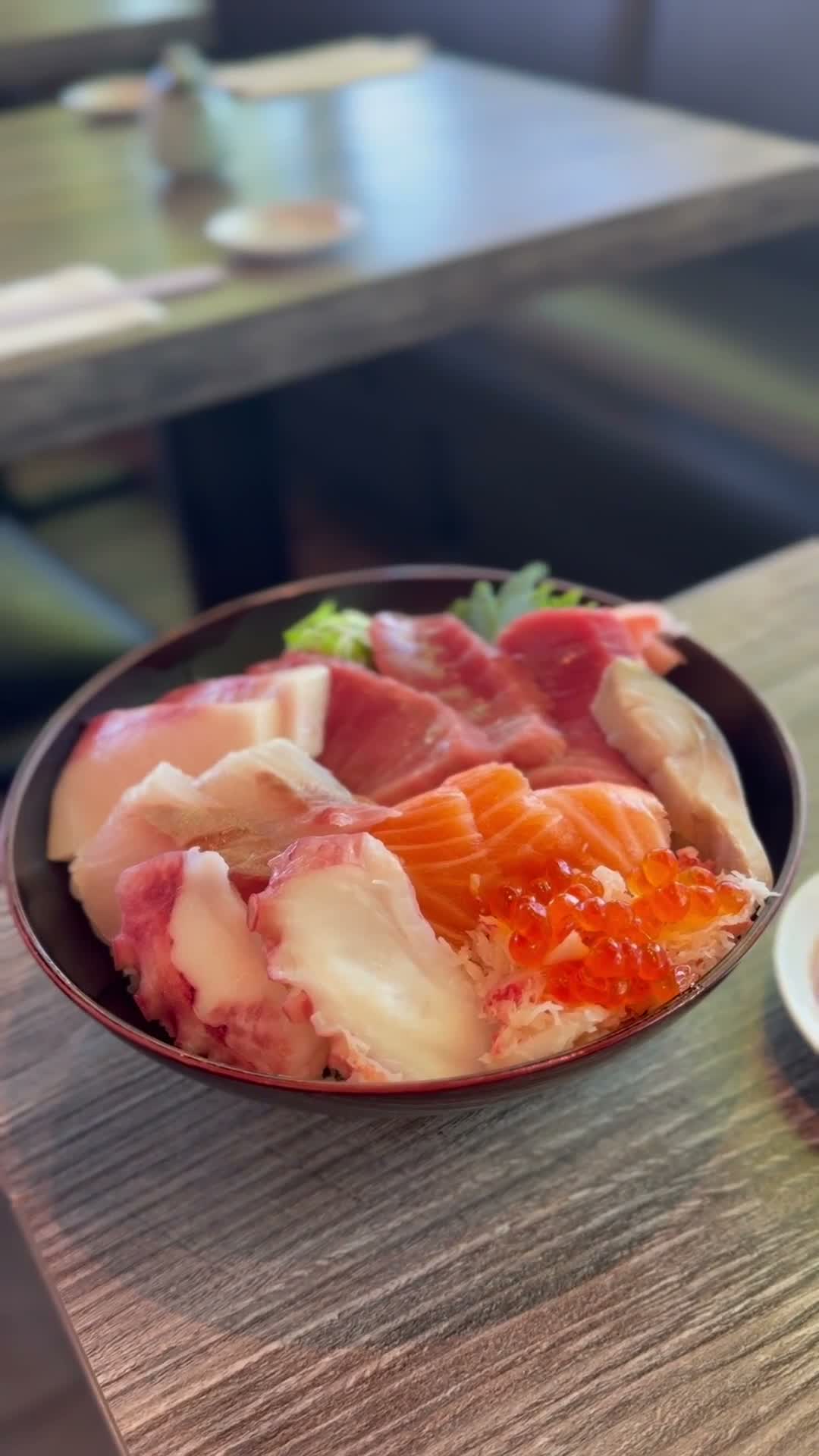
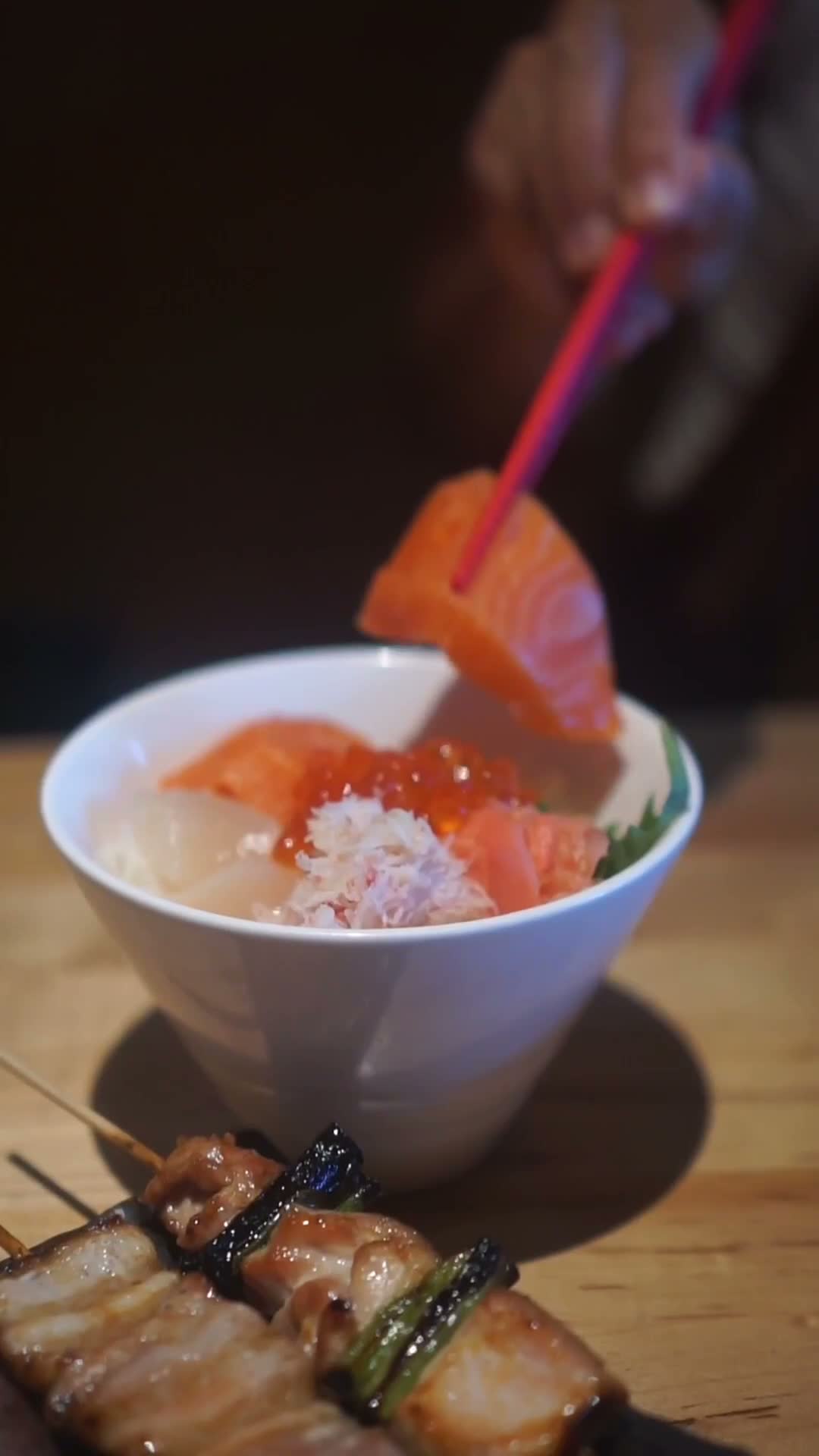
The chirashi at Akebono is built the plain way: a chef's choice of assorted sashimi laid over sushi rice, with nothing to hide behind. The rest of the table is bento: tempura, karaage, California rolls and a few slices of sashimi, all in one box. It reads as a menu built for the long view, a restaurant meant to be eaten at more than once.
Chef Yuta Toyoshima grew up in Japan, moved to Guam, and ended up in Seattle, where he opened Akebono. The name is the Japanese word for dawn or daybreak, and the restaurant treats it as a fresh start. It sits at the end of a small plaza on 35th Avenue Northeast, in the former Black Pearl and Chopsticks space, where Seattle Met noted "Opening Soon" signs in the spring of 2025.
The rolls are where Akebono is most American, and most deliberate about it.
Rolls With Their Own Weather
The rolls are where Akebono is most American, and most deliberate about it. The Cherry Blossom Roll puts salmon, avocado and cucumber inside, then covers the top with albacore, tobiko and fried onion, and finishes with scallion and amazu, a sweet-sour sauce. The Tuna Miso Roll runs spicy tuna and cucumber under a layer of raw tuna and avocado, with scallion, tobiko and a miso sauce over it all. Neither is a purist's roll. Both are built with a clear idea of contrast: cold fish against fried crunch, sweet sauce against acid, soft avocado against the pop of roe.
Beyond the Raw Fish
The kitchen is as broad as the sushi bar. Ramen here is Hokkaido style, and there is a vegan version. Takoyaki and tempura share the menu with agedashi tofu, fried and sitting in tempura sauce under grated radish, ginger and bonito flake. The curry is made from scratch, and the pork cutlet curry is the dish to know. The Infatuation described the menu as wide-ranging, with bento boxes, ramen and raw fish in many forms. It also noted that the small sushi bar is there for anyone who wants to watch the chefs work.
That breadth is the point. Akebono sets out to feed a neighborhood, and its own account puts families at the center, with a fair price for good fish. The room is casual, and the menu has something for the one at the table who won't touch raw fish. The sushi bar is small, and it is where the sushi is easiest to follow from knife to plate.
What the critics say
The Infatuation called Akebono a casual Japanese restaurant with a wide-ranging menu of bento boxes, ramen and raw fish, plus a small sushi bar for watching the chefs.
Seattle Met reported that Akebono had put up "Opening Soon" signs in the former Black Pearl and Chopsticks space on 35th Ave NE in Wedgwood.
Pros
- Chirashi bowl of chef's choice sashimi over rice
- Cherry Blossom and Tuna Miso rolls built on contrast
- Scratch-made pork cutlet curry and Hokkaido-style ramen
- Broad menu with vegan ramen and bento boxes
Cons
- Sushi bar is small
- Rolls are more American than purist
Number 2: Dumpling The Noodle
Full profileMinimizeHand-pulled lamen and pan-fried dumplings on North 45th StreetDumpling The Noodle in Wallingford, Seattle: hand-pulled lamen, pan-fried dumplings, buns and wontons, with vegan options on North 45th Street.Info, rank history and votes
Info
- Cuisine
- Ramen
- Address
- 1723 N 45th St
Known for
- Chili beef lamen
- Hand-pulled noodles
- Pan-fried pork-chive dumplings
- Bulgogi beef dumplings
- Vegan dumplings and lamen
- Frozen dumplings to take home
What do you think?
Is #2 the right place for Dumpling The Noodle?
No votes yet. Be the first.
Why it's here By Hidden Food editors
Hand-pulled lamen and pan-fried dumplings on North 45th Street
Dumpling The Noodle in Wallingford, Seattle: hand-pulled lamen, pan-fried dumplings, buns and wontons, with vegan options on North 45th Street.
Lamen, Not Ramen: Hand-Pulled Noodles on North 45th Street
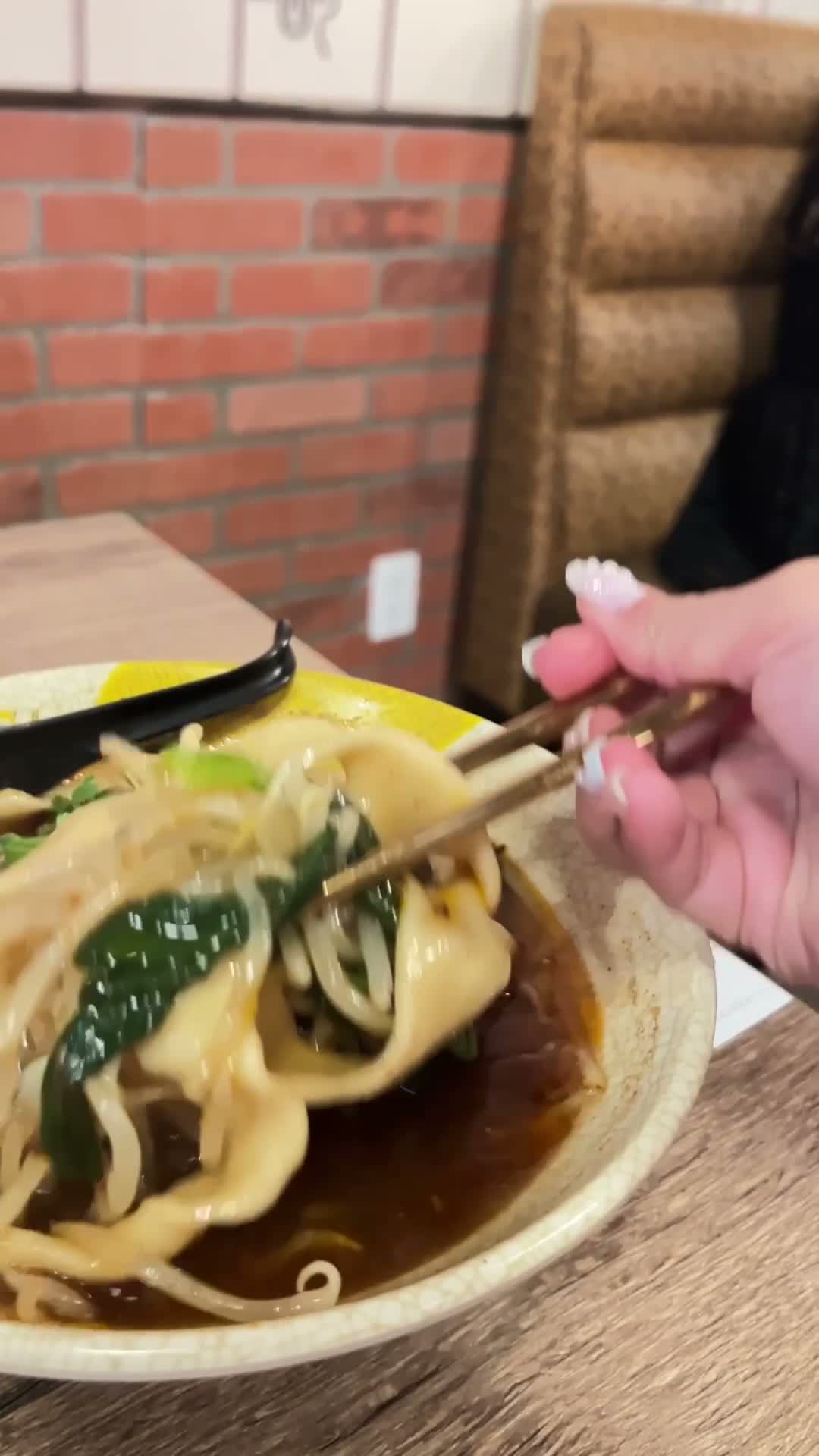
The spelling on the menu is lamen, and it is not a slip for ramen. The word names a noodle made from dough that is stretched, twisted and folded over on itself until it pulls into chewy ripples that machine-cut strands don't have, a difference owner Sen Mao is glad to explain. Most people order it as the chili beef lamen, which he names as the most popular noodle in the house, and a spicy, sour beef lamen soup is there for anyone who wants to push further.
The Seattle Times critic Tan Vinh visited in 2020, soon after the shop opened in January, and counted the chili beef lamen among the best dishes he ate that year. He also warned that much of the Northern Chinese comfort food here travels poorly in a takeout container. Seattle Met, which describes the small dining room as steeped in personality, adds that the cooking generally holds back on heat, and that a diner should reach for chili crisp accordingly.
He named the shop by turning dumpling into a verb, which makes little grammatical sense and, by his own account, was meant to get attention.
Dumplings Fried Like Mom's
Mao pan-fries his dumplings, which is his mother's method. Rather than boil or steam them, he sets them in the pan until the bottom goes crisp and brown while the top stays soft from steam. Classic pork and cabbage leads the best-seller list, and the bulgogi beef dumplings are the other one to know. The dumplings run to seven fillings, vegan ones included. The same Seattle Times critic singled out the signature pork-chive dumpling, a meatball with snappy pieces of shrimp running through it, and found that pan-frying gave the best result: a crunchy bottom set against a chewy top.
None of it is a showpiece. It is a short, handmade menu of noodles, dumplings, buns and wontons, and the kitchen's attention goes to the dough.
A Beijing Kid, a Former Burger Joint
Mao grew up in Beijing, among dumplings, noodles and family meals, and his own account of the road to Seattle runs through engineering school, failed startups and late nights in shared kitchens. He worked in Seattle restaurants through college, then opened a place of his own to focus on his two favorites. The address on North 45th Street had been a Wallyburger. He named the shop by turning dumpling into a verb, which makes little grammatical sense and, by his own account, was meant to get attention. The restaurant has since moved into a larger space at the corner of 45th and Wallingford, with booths built for groups, and a second shop opened in Kirkland in 2023.
Mao also set out to fix a gap, since vegan Chinese food, in his words, can be hard to find in Seattle. So the menu carries a chili garlic tofu lamen and bok choy mushroom dumplings, and Seattle Met called the vegan versions admirable. Order the chili beef lamen first, then the pan-fried pork-chive dumplings alongside it, and let the chew of the noodle settle the question of the spelling.
What the critics say
The Seattle Times included it in critic Tan Vinh's top 10 of Seattle-area frozen dumplings, calling the restaurant a promising newcomer and naming pork-chive with shrimp as its signature dumpling.
Seattle Met listed it in its guide to where to eat in Wallingford, praising its equal skill with buns, wontons and dumplings and its chewy hand-pulled lamen.
Seattle Refined profiled the shop for its meat and vegan dumplings and hand-pulled noodles, and for owner Sen Mao's pan-frying, learned from his mother.
Pros
- Chewy hand-pulled lamen, best known as the chili beef
- Pan-fried pork-chive dumplings with crisp bottoms
- Seven dumpling fillings, with vegan options
- Frozen dumplings sold to cook at home
Cons
- Cooking runs mild on spice
- Short menu focused on noodles and dumplings
- Northern Chinese dishes travel poorly as takeout
Number 3: Secret Fort
Full profileMinimizeCharcoal yakitori and pressed sushi in a retro-Japan room in WallingfordSecret Fort is a Wallingford yakitori bar in Seattle serving charcoal-grilled skewers, sashimi and pressed sushi in a retro Japanese room.Info, rank history and votes
Info
- Cuisine
- Japanese
- Price
- $$$
- Address
- 1911 N 45th St
Known for
- Charcoal-grilled yakitori
- Mochi bacon
- Okonomiyaki on a skewer
- Beef tongue
- Pressed sushi
- Retro Japanese pop decor
What do you think?
Is #3 the right place for Secret Fort?
No votes yet. Be the first.
Why it's here By Hidden Food editors
Charcoal yakitori and pressed sushi in a retro-Japan room in Wallingford
Secret Fort is a Wallingford yakitori bar in Seattle serving charcoal-grilled skewers, sashimi and pressed sushi in a retro Japanese room.
The Skewers Return to the Block That Swapped Them for Ramen
Yoroshiku opened in 2012 as a yakitori bar before pivoting quickly to a ramen izakaya. A year later, with the national ramen craze taking hold in Seattle, the restaurant replaced the yakitori grill with a noodle boiler. The skewers stayed away for a decade. Encouraged by the reception to its simple menus, Keisuke Kobayashi sliced Yoroshiku's space in half, and opened Secret Fort in January 2023, on the same block where he had first put charcoal to chicken.
The grill is the organizing idea. Rather than working through the thirty or so chicken parts made into yakitori in Japan, Secret Fort's menu spreads across chicken, pork, beef, seafood and vegetables. That makes it closer to an izakaya than a purist's counter.
The most telling skewers are the ones that have no business on a stick.
Skewers Without Precedent
The most telling skewers are the ones that have no business on a stick. Mochi comes wrapped in bacon, which sets chew against rendered fat. Okonomiyaki, ordinarily a griddled cabbage pancake, is threaded and grilled like everything else. Taste of Elsewhere noted that mochi bacon, okonomiyaki and pickled cucumber all arrive as skewers alongside the yakitori classics, which is how the kitchen signals that the format is a method and not a rulebook.
The straighter cooking holds up the other end of the menu. Pork belly, thigh and tenderloin of chicken, wagyu zabuton and BBQ eel all go over the coals. The Ticket Seattle singled out the beef tongue as the order for something new. Hon-maguro tuna and grilled salted mackerel come off the same grill, so the charcoal reaches well past poultry.
Raw Fish, Sliced or Pressed
Yakitori draws the crowd, but the raw fish is not an afterthought. Hon-maguro tuna, coho salmon and shime-saba, the vinegar-cured mackerel, each appear twice, once as sashimi and once as pressed sushi. That is a short, disciplined list, and it lets three fish carry a section of the menu. Salmon carpaccio and a yuzu shiso salsa served with chips fill out the small plates, and a tornado-cut pickled cucumber provides the acid.
The drinks follow the same logic of tight categories. Highballs and chu-hi sit at the front of the list, followed by cocktails, sake by the four- or ten-ounce pour, shochu and Japanese whisky.
A Fort Furnished in the Eighties
Secret Fort is an '80s-themed yakitori bar, and Japanese memorabilia and posters from that decade surround the diners. The Ticket Seattle described it as a mini pop culture museum for Japanophiles. The name comes from Kobayashi's childhood: he once hid out in cardboard constructions, and the restaurant gives customers a respite of their own, with better snacks and cocktails.
The Infatuation was measured about it. The review called it a decent option for a big night out of grilled skewers and yuzu margaritas, but not a place to cross town for. That reads as a fair description of a neighborhood room that does one thing over fire and does it with some wit. Order the skewers first, and let the pressed sushi come second.
What the critics say
The Infatuation judged Secret Fort a good fit for a group dinner built around skewers and yuzu margaritas, though not worth going far out of your way for.
The Ticket Seattle welcomed Secret Fort as a new yakitori spot from the team behind Yoroshiku and Indigo Cow, and suggested the beef tongue.
Taste of Elsewhere reported that Kobayashi split Yoroshiku's space to make room for Secret Fort, his fourth restaurant, built around an '80s theme.
Pros
- Charcoal-grilled yakitori across chicken, pork, beef and seafood
- Mochi bacon and okonomiyaki served on skewers
- Beef tongue is the pick beyond chicken
- Retro Japanese pop decor fills the room
Cons
- Dinner reservations recommended
- Popular dishes can sell out by mid-evening
- Not worth crossing town for
Number 4: Betsutenjin Ramen
Full profileMinimizeHakata-style pork bone ramen and gyoza, late, on Capitol HillBetsutenjin Ramen on East Union Street in Seattle serves Hakata-style pork bone ramen and gyoza late into the night, near Capitol Hill.Info, rank history and votes
Info
- Cuisine
- Ramen
- Price
- $$
- Address
- 954 E Union St Ste 102
Known for
- Hakata-style pork bone ramen
- Prawn miso ramen
- Gyoza
- Chashu and ramen egg
- Late-night hours
What do you think?
Is #4 the right place for Betsutenjin Ramen?
No votes yet. Be the first.
Why it's here By Hidden Food editors
Hakata-style pork bone ramen and gyoza, late, on Capitol Hill
Betsutenjin Ramen on East Union Street in Seattle serves Hakata-style pork bone ramen and gyoza late into the night, near Capitol Hill.
An Ivory Pork Broth With No Dairy, Served Late on Capitol Hill
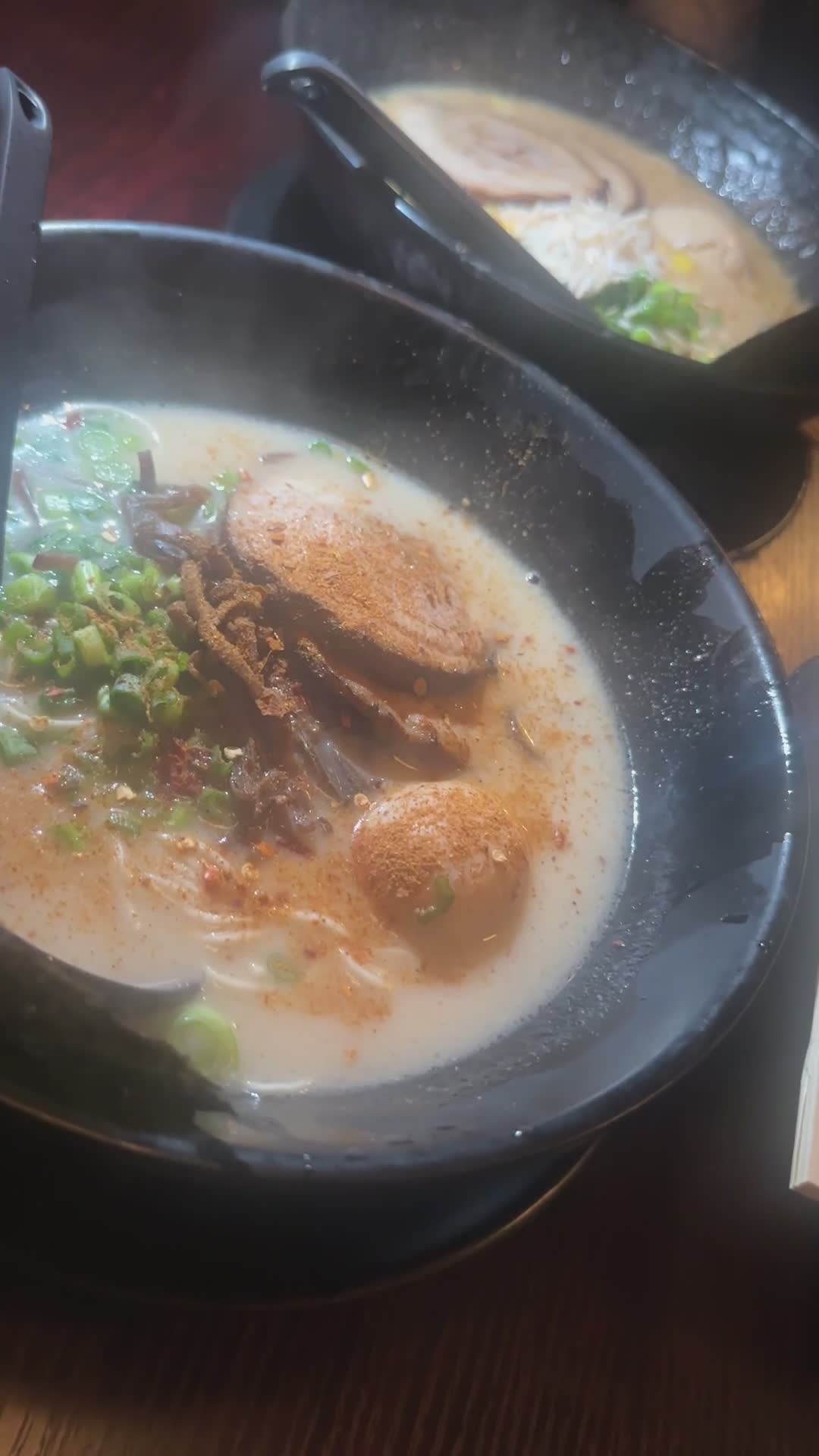
The signs around the room at Betsutenjin answer a question before anyone asks it: there is no milk in the broth, and no MSG. The broth that prompts them is an opaque, ivory-white pork stock, creamy enough that Seattle magazine, which named the shop the best of the best in its ramen roundup, found it hard to believe something so smooth and silken could be made without dairy. The whole restaurant rests on that bowl: Hakata-style pork bone ramen, with the soup as its subject and everything else in support.
The broth is filled high enough to rise around slices of chashu, a seasoned soft-boiled egg sits alongside, a small heap of scallions stays bright green on top, and a dusting of chili powder goes over the lot. Thin wheat noodles, nori and seaweed fill out the rest of the bowl.
The menu is short enough to read as a statement of confidence.
Two Bowls and Dumplings
The menu is short enough to read as a statement of confidence. When The Seattle Times wrote up the shop in its first months, it had no website or phone number and still described itself as in soft opening. The menu was two ramen and gyoza, and the pork bone ramen was the main draw. The alternative is a prawn miso ramen, and the dumplings come on their own or as a set with a bowl.
Betsutenjin arrived in Seattle as the latest branch of an international ramen chain that already had about a dozen outposts in Hong Kong. Seattle magazine called it the most traditional Japanese of the city's new ramen restaurants, with a serious and sustained focus on the soup, which is a fair description of a place that does not hedge.
A Counter After Hours
The room is small. The Times counted 22 seats at the start and found line cooks and bartenders using it as an after-work hangout. It is L-shaped, and the restaurant's own page says it takes no reservations. Seattle Met advises taking a seat at the bar facing the kitchen, which puts a diner within reach of the pork and the steam, and under a television showing an old samurai film.
That guide also reports that a server, asked how the broth is made, simply pressed a finger to her lips and smiled. The restaurant stocks imported beer and drinks from Japan. Order the Hakata-style bowl, and it will taste like a late dinner eaten well after most of the neighborhood's kitchens have closed.
What the critics say
Seattle magazine named Betsutenjin its best of the best in a roundup of Seattle ramen, calling it the most traditional Japanese of the recent arrivals and praising its focus on the broth.
The Seattle Times, reviewing the newly opened shop, asked whether it might be the best ramen on Capitol Hill and called the pork bone ramen the main draw.
Seattle Met included Betsutenjin among its essential late-night Seattle restaurants, describing an ivory-white pork broth with thin noodles, pork slices, nori and seaweed, and advising diners to sit at the bar.
Pros
- Creamy ivory pork bone broth with no dairy
- Chashu, soft-boiled egg and thin noodles in the bowl
- Open late, when most nearby kitchens have closed
- Imported Japanese beer and drinks to go with it
Cons
- No reservations, so expect a wait
- Small, tight seating
- Short menu of two ramen and gyoza
Number 5: Gao Lhao Bangkok Noodle Shop
Full profileMinimizeThai-Chinese noodles and hot pots from Bangkok's Yaowarat, in Green LakeGao Lhao Bangkok Noodle Shop in Green Lake, Seattle: Thai-Chinese noodles, hot pots and wok dishes inspired by Bangkok's Yaowarat Chinatown.Info, rank history and votes
Info
- Cuisine
- Ramen
- Address
- 7102 Woodlawn Ave NE
Known for
- Tom yum hot pot noodles
- Wok-charred noodles
- Crispy duck spring rolls
- Fish sauce wings
- Pandan custard dessert
- Yaowarat-style Thai-Chinese cooking
What do you think?
Is #5 the right place for Gao Lhao Bangkok Noodle Shop?
No votes yet. Be the first.
Why it's here By Hidden Food editors
Thai-Chinese noodles and hot pots from Bangkok's Yaowarat, in Green Lake
Gao Lhao Bangkok Noodle Shop in Green Lake, Seattle: Thai-Chinese noodles, hot pots and wok dishes inspired by Bangkok's Yaowarat Chinatown.
Bangkok's Chinatown, Wok-Charred, on Woodlawn Avenue
It is a fitting introduction to a kitchen that likes to serve its food with some ceremony. Seattle magazine, in a roundup of new restaurants, singled out a lavish tom yum loaded with prawns, mussels and crab claws, a bowl it said pleases the eye as much as the stomach.
The restaurant says it was built on the soul of Yaowarat Road, Bangkok's Chinatown, where woks crackle late into the night, and the room is dressed to match: neon signs, murals and replicas of Bangkok storefronts light a large dining space. It opened in 2025 in the former Eight Row space in Green Lake, from the team behind Kin Len Thai Night Bites and Isarn Thai Soul Kitchen. Seattle Met, writing about that year's wave of new Thai restaurants, noted that the food sidesteps the familiar classics of Seattle Thai. The cooking leans Thai-Chinese and noodle-first, and a full bar sits at the back.
This is a kitchen that rewards ordering from the wok and punishes ordering for the spectacle.
Wok, Boat Noodles, Cauldron
The wok does the most convincing work. Wide noodles come out chewy and charred, tossed with scrambled egg and shiitakes, and the chicken wings are crisped and seasoned with fish sauce. Both dishes put the heat of the wok and the salt of the sauce in front, and neither needs much else. The sizzling platters follow the same logic, pairing New York steak or soy-marinated pork with garlicky butter-fried rice, though they are the less certain part of the menu.
The soups and curries make the second argument. A kurobuta boat noodle soup, kuay tiew nam tok, shares the menu with crab curry noodles, which arrive as a do-it-yourself wrap assembly with a balance of coconut and spice and crab that goes soft in the curry. Extra napkins are advised. The hot pots come in tom yum or suki-yaki versions, each a giant bubbling cauldron with plenty of fillings, and the cauldron is part of the appeal.
A Fair Hearing
Not everything lands. The Infatuation scored the restaurant a 7.3, called the food decent enough, and found the hot pot broths less memorable than the pots they come in. To that critic the steak garlic rice was mostly an inert plate of rice, vegetables and meat, improving only toward the bottom, where the rice crisps. The same review sent readers to the duck spring rolls and the wok-charred noodles with gravy. This is a kitchen that rewards ordering from the wok and punishes ordering for the spectacle.
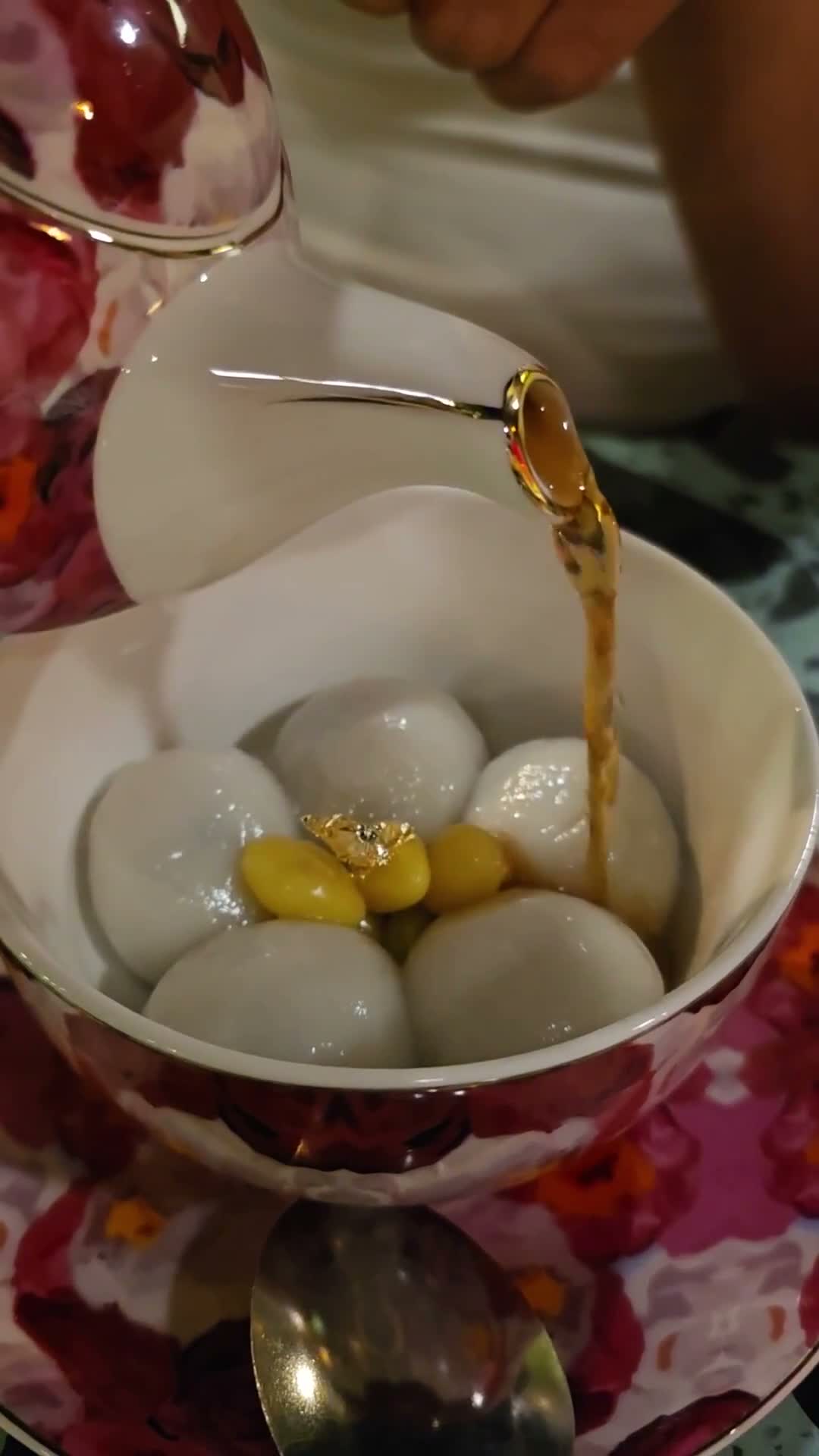
Dessert is where the room regains its footing. The cocktails take the same trouble as the plates: A'Ma's Cup of Tea combines oolong-infused gin, pear liqueur and monk fruit, with ornate edible art across the top. Order the noodles from the wok, share the duck spring rolls, and keep room for the pandan custard.
What the critics say
The Infatuation gave it a 7.3, called it a fun Green Lake spot with decent enough food, and steered diners to the duck spring rolls and wok-charred noodles with gravy.
Seattle Met grouped it with Larb and Roy as a new Seattle Thai restaurant whose food steps away from the familiar classics, with decor that conveys the excitement of Bangkok's Chinatown.
Seattle magazine called the menu a showcase of the best of Thai-Chinese fusion and judged the place perfect for a date night.
Eater Seattle said its lively atmosphere and shared plates make it a good spot for groups, and told readers to save room for dessert.
Pros
- Wok-charred wide noodles with egg and shiitakes
- Fish sauce wings crisped in the wok
- Giant tom yum hot pot loaded with seafood
- Neon-lit Bangkok storefront room with a full bar
Cons
- Hot pot broths less memorable than the pots
- Steak garlic rice is a weak sizzling platter
- Ordering for spectacle over wok dishes disappoints
Number 6: Sushi Kashiba
Full profileMinimizeEdomae sushi from a Jiro Ono trainee, at the edge of Pike Place MarketSushi Kashiba, Shiro Kashiba's sushi restaurant by Pike Place Market in Seattle: counter omakase, nigiri, and the famous kasu black cod.Info, rank history and votes
Info
- Cuisine
- Sushi
- Price
- $$$$
- Address
- 86 Pine St
Known for
- Counter omakase
- Kasu black cod
- Sweet shrimp nigiri
- Uni gunkan
- Edomae-style nigiri
What do you think?
Is #6 the right place for Sushi Kashiba?
No votes yet. Be the first.
Why it's here By Hidden Food editors
Edomae sushi from a Jiro Ono trainee, at the edge of Pike Place Market
Sushi Kashiba, Shiro Kashiba's sushi restaurant by Pike Place Market in Seattle: counter omakase, nigiri, and the famous kasu black cod.
Shiro Kashiba Still Works the Counter Beside Pike Place Market
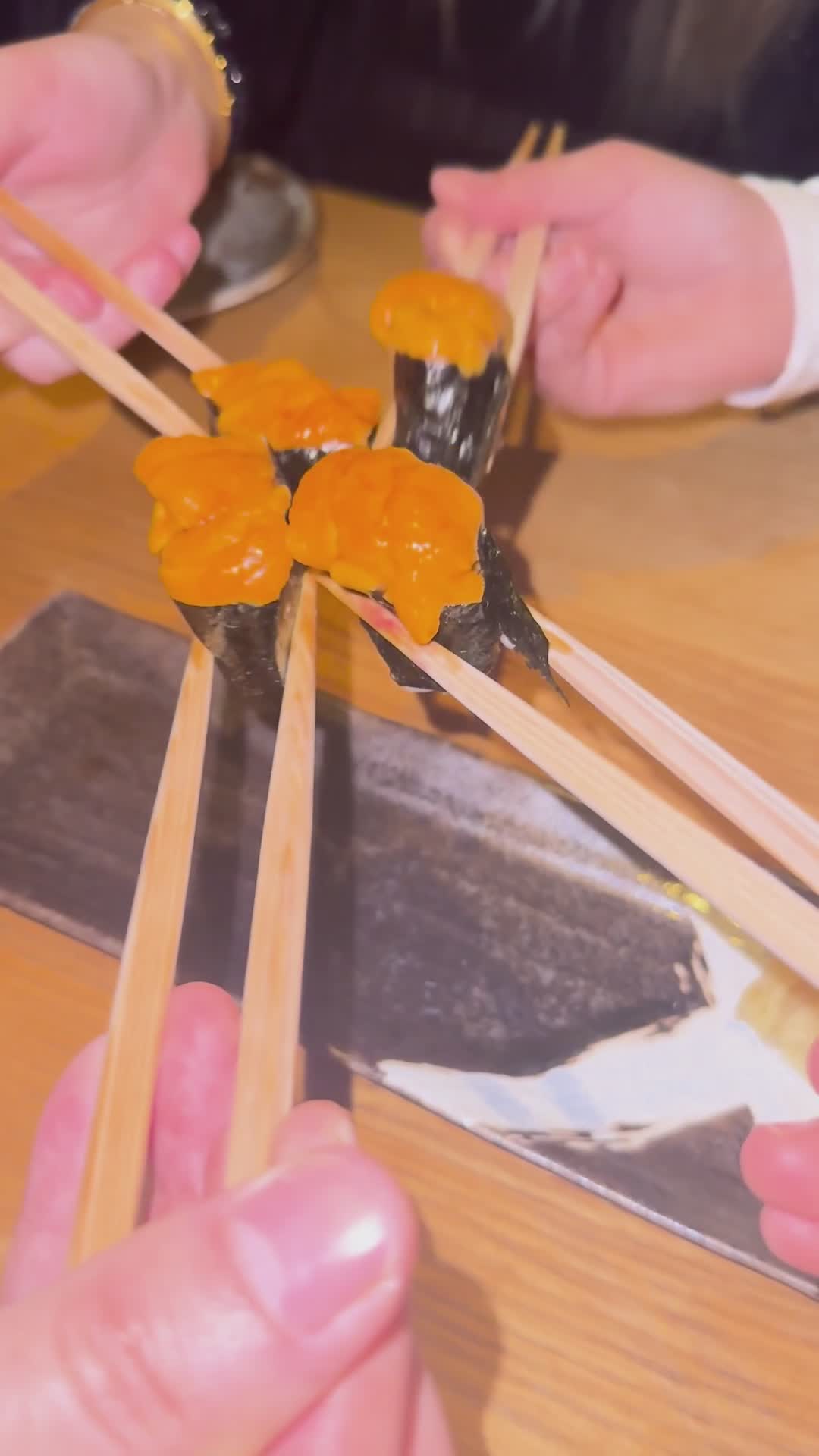
The sweet shrimp comes to the counter with its tails standing upright over the rice and the crisp-fried heads laid alongside on a black board, so that the plate reads as shrimp twice over: once raw and sweet, once crackling. The uni takes the opposite approach. It is set on rice in a band of nori, a gunkan with a glossy top and a brush of sauce, and the sea urchin is generous enough that the bite looks barely contained.
A Lineage Traced to Tokyo
Shiro Kashiba trained in Tokyo under Jiro Ono, and in 1970 he opened what the restaurant describes as Seattle's first sushi bar. Sushi Kashiba, which opened in December 2015, is his third restaurant in the city, and The Infatuation noted that he left his namesake restaurant to open it on the edge of Pike Place Market.
The restaurant's own site calls him a three-time James Beard Award nominee for Outstanding Chef. It also quotes the Seattle Times, which has called him Seattle's "Sushi Sensei". The cooking is Edomae in method and local in its fish, a combination that suits a room beside one of the country's best-known seafood markets.
The Counter, Start to Finish
The counter is omakase only, while the tables get an à la carte list and prix-fixe dinners. The Infatuation walked through the counter meal in order: salmon, then tuna, then white fish and shellfish, a few torched bellies and collars, mackerel, and squid. It closes with two kinds of eel and an egg course that serves as dessert. Each piece of nigiri arrives already brushed with soy, set on seasoned rice with a small dab of wasabi, and the servers advise leaving the soy dish alone.
The same review put the odds plainly. Shiro works the counter three days a week, and the first six people in line are the ones he serves. The other chefs on the line, according to an earlier Seattle Times review, had long worked alongside him at his previous restaurants.
The Black Cod Question
Not everything here is raw. The kasu black cod is steeped in sake lees and miso, then broiled until the surface caramelizes, and the Seattle Times has described it as the dish that inspired countless imitations around town. The Infatuation, for its part, found the fish sweet, savory and salty in equal measure.
It belongs to the table menu, which makes the choice a real one: the counter for the sequence of nigiri, or a table for the cod and the prix-fixe dinners that Time Out noted are open to table guests. Counter diners get the shrimp with its tails up. Table diners get the fish that other kitchens have been copying for years.
What the critics say
The Infatuation called Sushi Kashiba a Seattle institution and described the counter omakase as flawless, moving from salmon and tuna through shellfish, torched bellies and eel.
The Seattle Times called Shiro's kasu black cod iconic and said it had inspired countless imitations around town.
Time Out gave Sushi Kashiba five stars and noted that the chef's counter is omakase only, with seasonal ingredients in a traditional Edomae-style approach.
Pros
- Edomae sushi from a Jiro Ono trainee
- Kasu black cod, broiled until caramelized
- Sweet shrimp nigiri with crisp-fried heads
- Generous uni gunkan with glossy top
Cons
- Counter is omakase only
- Shiro serves only the first six in line
- Black cod and à la carte are table-only
Number 7: Wa'z Seattle
Full profileMinimizeChef Hiro Tawara's Northwest kaiseki, plated at a Belltown counterwa'z in Belltown, Seattle: chef Hiro Tawara's modern Northwest kaiseki, a seasonal tasting of eight courses served at an intimate chef's counter.Info, rank history and votes
Info
- Cuisine
- Japanese
- Price
- $$$$
- Address
- 411 Cedar St
Known for
- Monthly kaiseki menu
- Eight-course tasting
- A5 wagyu course
- Chef's counter seating
- Sake sampler
What do you think?
Is #7 the right place for Wa'z Seattle?
No votes yet. Be the first.
Why it's here By Hidden Food editors
Chef Hiro Tawara's Northwest kaiseki, plated at a Belltown counter
wa'z in Belltown, Seattle: chef Hiro Tawara's modern Northwest kaiseki, a seasonal tasting of eight courses served at an intimate chef's counter.
Kaiseki in Belltown, Finished by Hand at the Counter
The Seattle Times critic who reviewed wa'z on a Star Festival menu found the meal opening with sesame tofu, a staple of Japanese temple cuisine, and found most of what followed humble: sweet potato, corn, squash, okra, fish cakes. Uni and Japanese A5 wagyu made cameo appearances. The proportion is the point. Kaiseki began as a light meal eaten with the tea ceremony, and chef Hiro Tawara's version sits nearer to that origin than to the imperial banquet the form later became. It is a cuisine of restraint, and the restaurant at 411 Cedar Street is built to keep that restraint legible, one small vessel at a time.
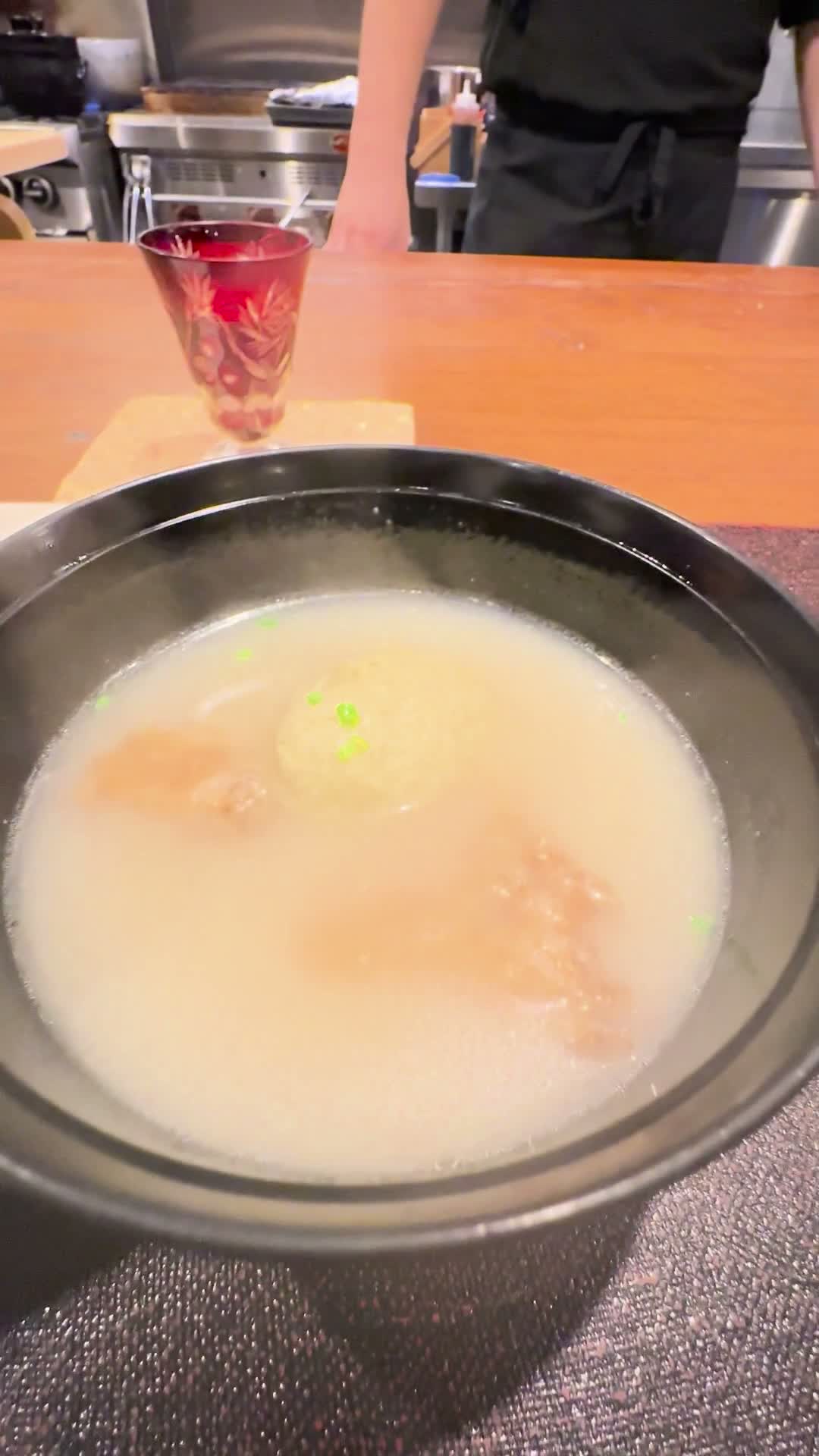
The room is organized around the chef's counter, with a handful of tables beyond it, and the counter is the seat recommended. The cooks line up little bowls along the surface and finish each by hand. A steaming cup of soup gives way, courses later, to dessert on bright red dishes, each with its own spoon. The camera stays on the wagyu, the soup, the crème brûlée and the ice cream, and most of all on the hands doing the finishing.
A Sushi Cook Turns to Kaiseki
Tawara came to this by way of two of Seattle's respected sushi counters, Shiro's and Sushi Kappo Tamura, before opening wa'z as chef and owner. Eater Seattle named it one of the city's hottest restaurants and said it had brought back the elegant art of Japanese kaiseki to Seattle. The restaurant describes its cooking as modern Northwest kaiseki, an artful, seasonal tasting, and it keeps a sake program to go with it, including a sampler.
The menu turns over every month, and each turn has a reason. The Star Festival month was one; a later menu has a tenderloin of A5 Miyazaki wagyu with seasonal mushrooms in the sixth course and fried figs in dashi sauce with daikon in the seventh. A regular is guaranteed a different dinner than the last one, built on the same discipline.
It is a cuisine of restraint, and the restaurant at 411 Cedar Street is built to keep that restraint legible, one small vessel at a time.
Eight Courses, Mostly Subtle
The Infatuation gave wa'z an 8.6 and described a meal of eight courses that holds steady even as the menu changes: appetizers and soup, a generous portion of wagyu, and several bites of terrific sushi, with small bites served in a leaf bowl. The reviewer's reservation is a useful one. The flavors, it said, run more subtle than innovative, which is a fair description of the form and not a complaint about it. Dinnerware is part of the argument, and the review admired it enough to want to take some home.
The Seattle Times was cooler. Its critic thought the dishes meticulously arranged but the cooking short of the sustained excellence she expects at this price, and wrote of delights and disappointments in each meal. That review was an earlier one, and the later notices lean warmer. Both agree on what the place is good at: composition, seasonality, and a kitchen that works in plain view. Take the counter seat, and take it for the finishing.
What the critics say
The Infatuation rated wa'z 8.6, calling it tasty, artful kaiseki worth a trip to Seattle Center, with subtle flavors and eight courses including wagyu and sushi.
Eater Seattle named wa'z one of the hottest restaurants in the city and said it had brought back the elegant art of Japanese kaiseki to Seattle.
The Seattle Times gave wa'z one and a half stars, finding the dishes meticulously arranged but the cooking short of the sustained excellence its critic expects at the price.
Seattle Met called the Belltown restaurant's eight-course menus the understatement of the year.
Pros
- Eight-course seasonal kaiseki with a monthly changing menu
- Chefs finish each course by hand at the counter
- Generous A5 wagyu course alongside terrific sushi bites
- Sake sampler and admired dinnerware round out the meal
Cons
- Reservations are required
- Priced at the top tier
- Flavors run subtle rather than bold
How we pick
An editorial list
Every restaurant here has been visited by local foodies who have actually eaten there. The videos are filmed at the table, so you can see the food before you go, and each place has a full profile with what to order and what it costs.
Keep eating
More top lists in Seattle
-
Top 20 Thai restaurants in Seattle
Bai Tong Thai Street Cafe, Bangrak Market, E-Jae Pak Mor and more
See the list -
Top 20 seafood restaurants in Seattle
Pike Place Chowder, Charlotte Restaurant & Lounge, Half Shell and more
See the list -
Top 20 dumpling spots in Seattle
Dumpling The Noodle, Betsutenjin Ramen and E-Jae Pak Mor
See the list -
Top 20 noodle spots in Seattle
Dumpling The Noodle, Kilig, Bai Tong Thai Street Cafe and more
See the list -
Top 20 ramen shops in Seattle
Akebono Japanese Cuisine, Dumpling The Noodle, Betsutenjin Ramen and more
See the list -
Top 20 sushi restaurants in Seattle
Akebono Japanese Cuisine, Secret Fort and Sushi Kashiba
See the list -
Top 20 restaurants for oysters in Seattle
Charlotte Restaurant & Lounge, Unlisted, Half Shell and more
See the list -
Top 20 restaurants for cocktails in Seattle
Charlotte Restaurant & Lounge, Unlisted, Ba Bar Slu, Llc and more
See the list -
Top 20 happy hours in Seattle
Le Coin, Charlotte Restaurant & Lounge, Ba Bar Slu, Llc and more
See the list -
Top 20 fine dining restaurants in Seattle
Seattle Caviar Company, Sushi Kashiba and Wa'z Seattle
See the list
Know one that belongs here?
Post a video of it on Hidden Food, and our local foodies will take a look.
Post a video