Top 20 sushi restaurants in Seattle
The top 20 sushi restaurants in Seattle2026 EditionUpdated
Our editors' picks: sushi restaurants in Seattle that local foodies have actually eaten at, with the videos filmed at each one.
Number 1: Akebono Japanese Cuisine
Full profileMinimizeSushi, chirashi, ramen and bento in Wedgwood, from a chef who came by way of GuamAkebono Japanese Cuisine in Seattle's Wedgwood neighborhood: chirashi bowls, specialty sushi rolls, Hokkaido-style ramen and bento boxes on 35th Ave NE.Info, rank history and votes
Info
- Cuisine
- Japanese
- Address
- 7347 35th Ave NE Ste A
Known for
- Chirashi bowl
- Cherry Blossom Roll
- Pork cutlet curry
- Hokkaido-style ramen
- Bento boxes
What do you think?
Is #1 the right place for Akebono Japanese Cuisine?
No votes yet. Be the first.
Why it's here By Hidden Food editors
Sushi, chirashi, ramen and bento in Wedgwood, from a chef who came by way of Guam
Akebono Japanese Cuisine in Seattle's Wedgwood neighborhood: chirashi bowls, specialty sushi rolls, Hokkaido-style ramen and bento boxes on 35th Ave NE.
Sushi, chirashi, ramen and bento in Wedgwood, from a chef who came by way of Guam
A Chef's Path from Japan to Guam Lands on 35th Avenue
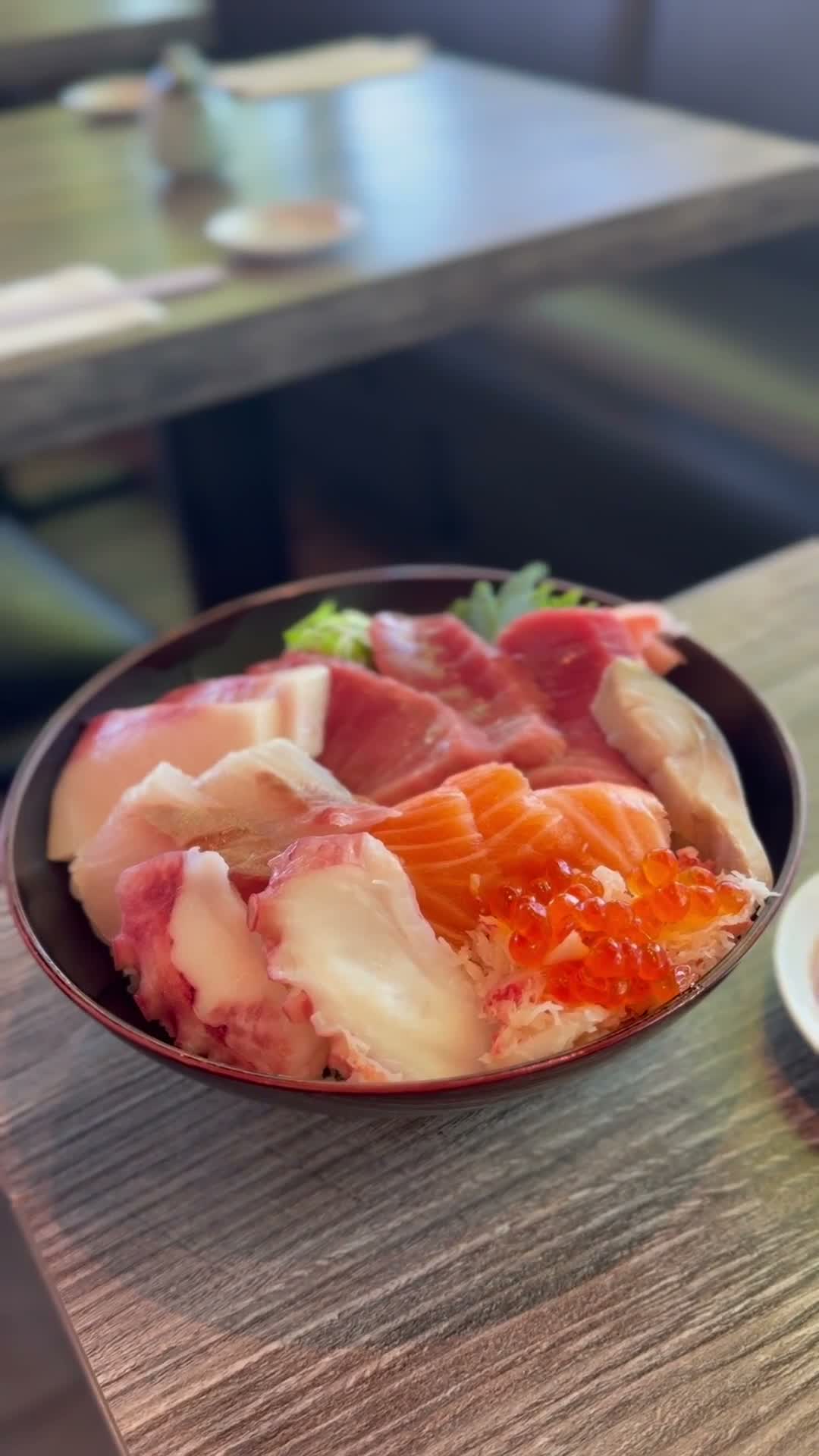
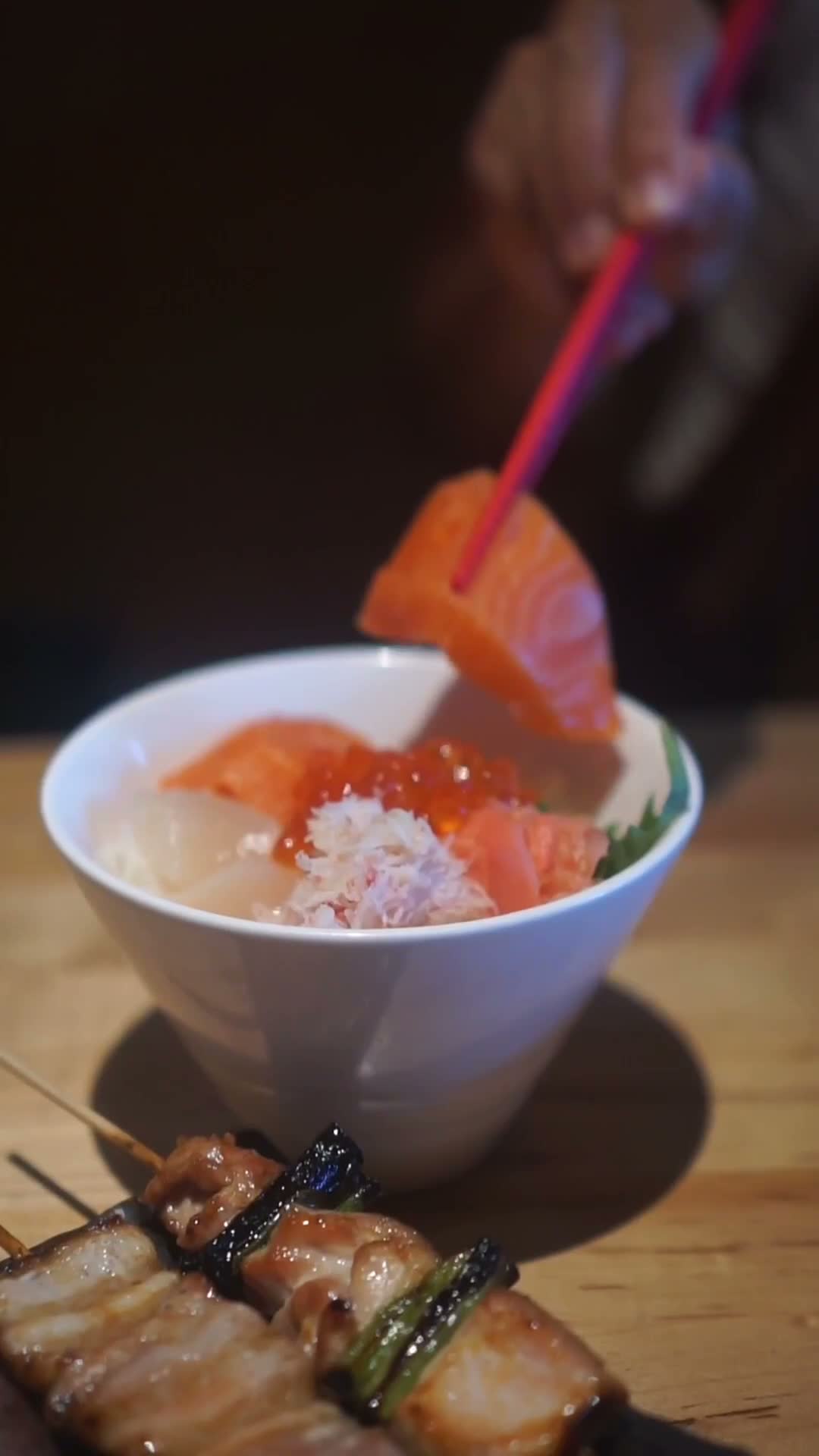
The chirashi at Akebono is built the plain way: a chef's choice of assorted sashimi laid over sushi rice, with nothing to hide behind. The rest of the table is bento: tempura, karaage, California rolls and a few slices of sashimi, all in one box. It reads as a menu built for the long view, a restaurant meant to be eaten at more than once.
Chef Yuta Toyoshima grew up in Japan, moved to Guam, and ended up in Seattle, where he opened Akebono. The name is the Japanese word for dawn or daybreak, and the restaurant treats it as a fresh start. It sits at the end of a small plaza on 35th Avenue Northeast, in the former Black Pearl and Chopsticks space, where Seattle Met noted "Opening Soon" signs in the spring of 2025.
The rolls are where Akebono is most American, and most deliberate about it.
Rolls With Their Own Weather
The rolls are where Akebono is most American, and most deliberate about it. The Cherry Blossom Roll puts salmon, avocado and cucumber inside, then covers the top with albacore, tobiko and fried onion, and finishes with scallion and amazu, a sweet-sour sauce. The Tuna Miso Roll runs spicy tuna and cucumber under a layer of raw tuna and avocado, with scallion, tobiko and a miso sauce over it all. Neither is a purist's roll. Both are built with a clear idea of contrast: cold fish against fried crunch, sweet sauce against acid, soft avocado against the pop of roe.
Beyond the Raw Fish
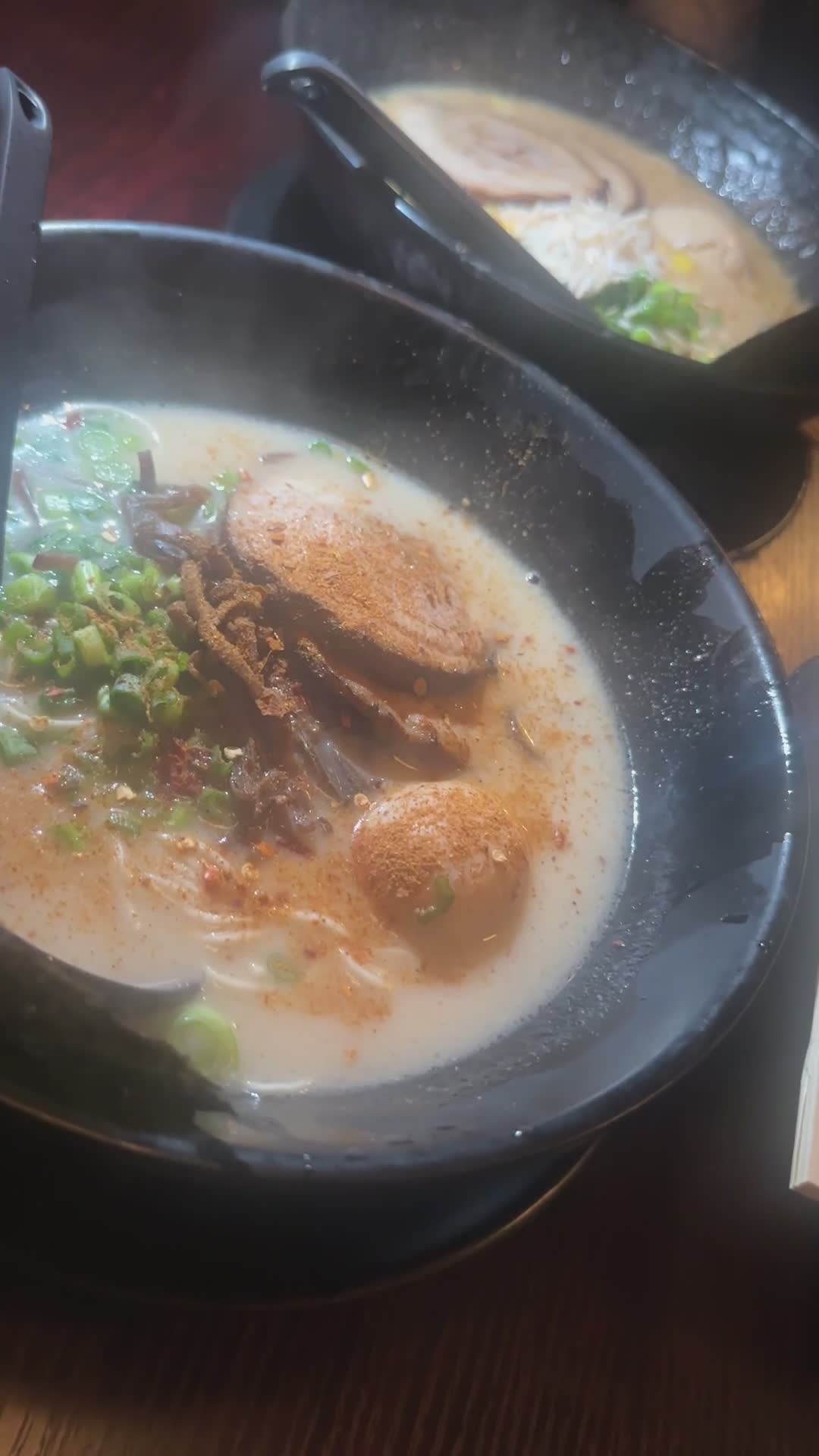
The kitchen is as broad as the sushi bar. Ramen here is Hokkaido style, and there is a vegan version. Takoyaki and tempura share the menu with agedashi tofu, fried and sitting in tempura sauce under grated radish, ginger and bonito flake. The curry is made from scratch, and the pork cutlet curry is the dish to know. The Infatuation described the menu as wide-ranging, with bento boxes, ramen and raw fish in many forms. It also noted that the small sushi bar is there for anyone who wants to watch the chefs work.
That breadth is the point. Akebono sets out to feed a neighborhood, and its own account puts families at the center, with a fair price for good fish. The room is casual, and the menu has something for the one at the table who won't touch raw fish. The sushi bar is small, and it is where the sushi is easiest to follow from knife to plate.
What the critics say
The Infatuation called Akebono a casual Japanese restaurant with a wide-ranging menu of bento boxes, ramen and raw fish, plus a small sushi bar for watching the chefs.
Seattle Met reported that Akebono had put up "Opening Soon" signs in the former Black Pearl and Chopsticks space on 35th Ave NE in Wedgwood.
Pros
- Chirashi bowl of chef's choice sashimi over rice
- Cherry Blossom and Tuna Miso rolls built on contrast
- Scratch-made pork cutlet curry and Hokkaido-style ramen
- Broad menu with vegan ramen and bento boxes
Cons
- Sushi bar is small
- Rolls are more American than purist
Number 2: Secret Fort
Full profileMinimizeCharcoal yakitori and pressed sushi in a retro-Japan room in WallingfordSecret Fort is a Wallingford yakitori bar in Seattle serving charcoal-grilled skewers, sashimi and pressed sushi in a retro Japanese room.Info, rank history and votes
Info
- Cuisine
- Japanese
- Price
- $$$
- Address
- 1911 N 45th St
Known for
- Charcoal-grilled yakitori
- Mochi bacon
- Okonomiyaki on a skewer
- Beef tongue
- Pressed sushi
- Retro Japanese pop decor
What do you think?
Is #2 the right place for Secret Fort?
No votes yet. Be the first.
Why it's here By Hidden Food editors
Charcoal yakitori and pressed sushi in a retro-Japan room in Wallingford
Secret Fort is a Wallingford yakitori bar in Seattle serving charcoal-grilled skewers, sashimi and pressed sushi in a retro Japanese room.
Charcoal yakitori and pressed sushi in a retro-Japan room in Wallingford
The Skewers Return to the Block That Swapped Them for Ramen
Yoroshiku opened in 2012 as a yakitori bar before pivoting quickly to a ramen izakaya. A year later, with the national ramen craze taking hold in Seattle, the restaurant replaced the yakitori grill with a noodle boiler. The skewers stayed away for a decade. Encouraged by the reception to its simple menus, Keisuke Kobayashi sliced Yoroshiku's space in half, and opened Secret Fort in January 2023, on the same block where he had first put charcoal to chicken.
The grill is the organizing idea. Rather than working through the thirty or so chicken parts made into yakitori in Japan, Secret Fort's menu spreads across chicken, pork, beef, seafood and vegetables. That makes it closer to an izakaya than a purist's counter.
The most telling skewers are the ones that have no business on a stick.
Skewers Without Precedent
The most telling skewers are the ones that have no business on a stick. Mochi comes wrapped in bacon, which sets chew against rendered fat. Okonomiyaki, ordinarily a griddled cabbage pancake, is threaded and grilled like everything else. Taste of Elsewhere noted that mochi bacon, okonomiyaki and pickled cucumber all arrive as skewers alongside the yakitori classics, which is how the kitchen signals that the format is a method and not a rulebook.
The straighter cooking holds up the other end of the menu. Pork belly, thigh and tenderloin of chicken, wagyu zabuton and BBQ eel all go over the coals. The Ticket Seattle singled out the beef tongue as the order for something new. Hon-maguro tuna and grilled salted mackerel come off the same grill, so the charcoal reaches well past poultry.
Raw Fish, Sliced or Pressed
Yakitori draws the crowd, but the raw fish is not an afterthought. Hon-maguro tuna, coho salmon and shime-saba, the vinegar-cured mackerel, each appear twice, once as sashimi and once as pressed sushi. That is a short, disciplined list, and it lets three fish carry a section of the menu. Salmon carpaccio and a yuzu shiso salsa served with chips fill out the small plates, and a tornado-cut pickled cucumber provides the acid.
The drinks follow the same logic of tight categories. Highballs and chu-hi sit at the front of the list, followed by cocktails, sake by the four- or ten-ounce pour, shochu and Japanese whisky.
A Fort Furnished in the Eighties
Secret Fort is an '80s-themed yakitori bar, and Japanese memorabilia and posters from that decade surround the diners. The Ticket Seattle described it as a mini pop culture museum for Japanophiles. The name comes from Kobayashi's childhood: he once hid out in cardboard constructions, and the restaurant gives customers a respite of their own, with better snacks and cocktails.
The Infatuation was measured about it. The review called it a decent option for a big night out of grilled skewers and yuzu margaritas, but not a place to cross town for. That reads as a fair description of a neighborhood room that does one thing over fire and does it with some wit. Order the skewers first, and let the pressed sushi come second.
What the critics say
The Infatuation judged Secret Fort a good fit for a group dinner built around skewers and yuzu margaritas, though not worth going far out of your way for.
The Ticket Seattle welcomed Secret Fort as a new yakitori spot from the team behind Yoroshiku and Indigo Cow, and suggested the beef tongue.
Taste of Elsewhere reported that Kobayashi split Yoroshiku's space to make room for Secret Fort, his fourth restaurant, built around an '80s theme.
Pros
- Charcoal-grilled yakitori across chicken, pork, beef and seafood
- Mochi bacon and okonomiyaki served on skewers
- Beef tongue is the pick beyond chicken
- Retro Japanese pop decor fills the room
Cons
- Dinner reservations recommended
- Popular dishes can sell out by mid-evening
- Not worth crossing town for
Number 3: Sushi Kashiba
Full profileMinimizeEdomae sushi from a Jiro Ono trainee, at the edge of Pike Place MarketSushi Kashiba, Shiro Kashiba's sushi restaurant by Pike Place Market in Seattle: counter omakase, nigiri, and the famous kasu black cod.Info, rank history and votes
Info
- Cuisine
- Sushi
- Price
- $$$$
- Address
- 86 Pine St
Known for
- Counter omakase
- Kasu black cod
- Sweet shrimp nigiri
- Uni gunkan
- Edomae-style nigiri
What do you think?
Is #3 the right place for Sushi Kashiba?
No votes yet. Be the first.
Why it's here By Hidden Food editors
Edomae sushi from a Jiro Ono trainee, at the edge of Pike Place Market
Sushi Kashiba, Shiro Kashiba's sushi restaurant by Pike Place Market in Seattle: counter omakase, nigiri, and the famous kasu black cod.
Sushi Kashiba, Shiro Kashiba's sushi restaurant by Pike Place Market in Seattle: counter omakase, nigiri, and the famous kasu black cod.
Shiro Kashiba Still Works the Counter Beside Pike Place Market
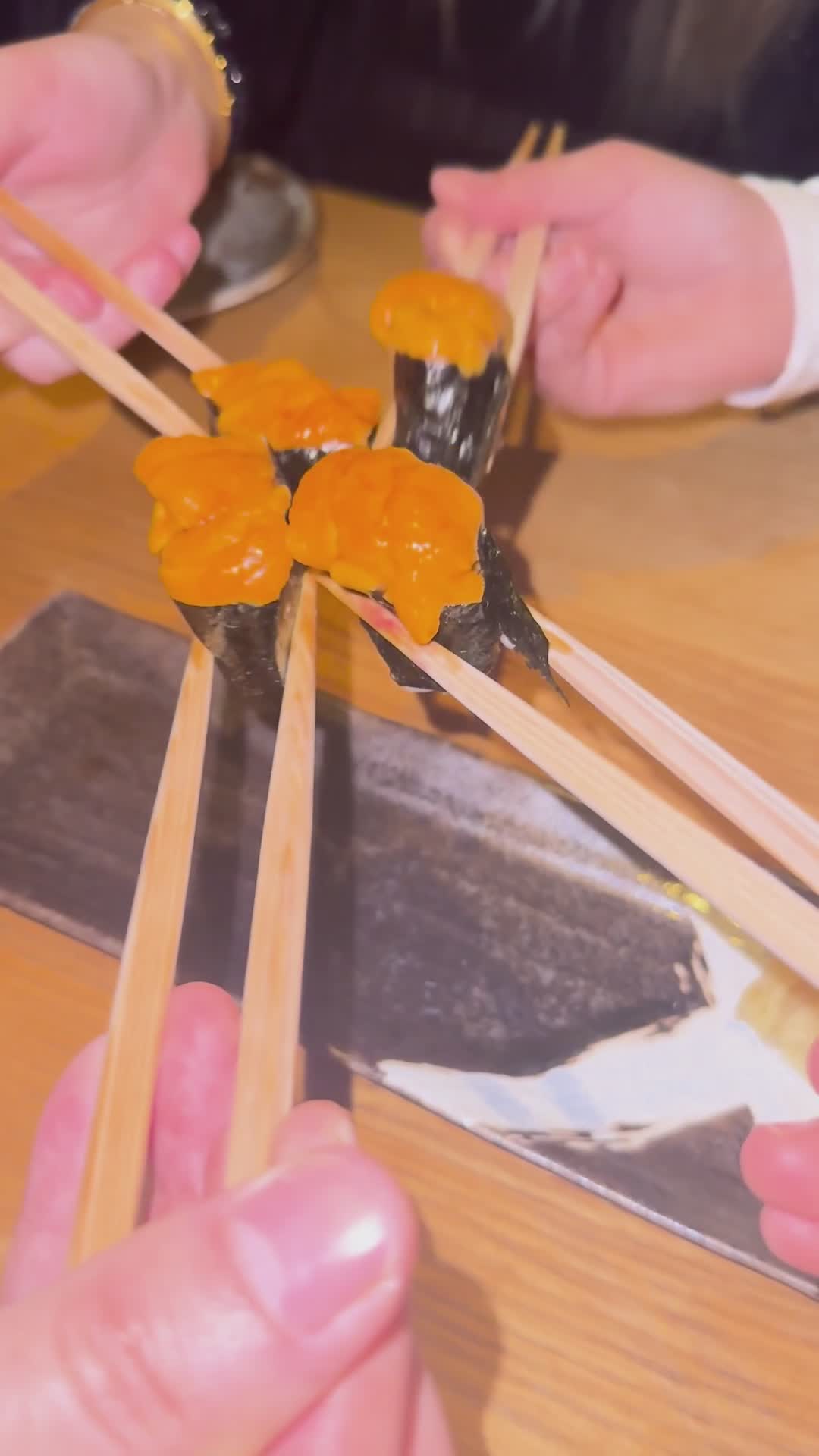
The sweet shrimp comes to the counter with its tails standing upright over the rice and the crisp-fried heads laid alongside on a black board, so that the plate reads as shrimp twice over: once raw and sweet, once crackling. The uni takes the opposite approach. It is set on rice in a band of nori, a gunkan with a glossy top and a brush of sauce, and the sea urchin is generous enough that the bite looks barely contained.
A Lineage Traced to Tokyo
Shiro Kashiba trained in Tokyo under Jiro Ono, and in 1970 he opened what the restaurant describes as Seattle's first sushi bar. Sushi Kashiba, which opened in December 2015, is his third restaurant in the city, and The Infatuation noted that he left his namesake restaurant to open it on the edge of Pike Place Market.
The restaurant's own site calls him a three-time James Beard Award nominee for Outstanding Chef. It also quotes the Seattle Times, which has called him Seattle's "Sushi Sensei". The cooking is Edomae in method and local in its fish, a combination that suits a room beside one of the country's best-known seafood markets.
The Counter, Start to Finish
The counter is omakase only, while the tables get an à la carte list and prix-fixe dinners. The Infatuation walked through the counter meal in order: salmon, then tuna, then white fish and shellfish, a few torched bellies and collars, mackerel, and squid. It closes with two kinds of eel and an egg course that serves as dessert. Each piece of nigiri arrives already brushed with soy, set on seasoned rice with a small dab of wasabi, and the servers advise leaving the soy dish alone.
The same review put the odds plainly. Shiro works the counter three days a week, and the first six people in line are the ones he serves. The other chefs on the line, according to an earlier Seattle Times review, had long worked alongside him at his previous restaurants.
The Black Cod Question
Not everything here is raw. The kasu black cod is steeped in sake lees and miso, then broiled until the surface caramelizes, and the Seattle Times has described it as the dish that inspired countless imitations around town. The Infatuation, for its part, found the fish sweet, savory and salty in equal measure.
It belongs to the table menu, which makes the choice a real one: the counter for the sequence of nigiri, or a table for the cod and the prix-fixe dinners that Time Out noted are open to table guests. Counter diners get the shrimp with its tails up. Table diners get the fish that other kitchens have been copying for years.
What the critics say
The Infatuation called Sushi Kashiba a Seattle institution and described the counter omakase as flawless, moving from salmon and tuna through shellfish, torched bellies and eel.
The Seattle Times called Shiro's kasu black cod iconic and said it had inspired countless imitations around town.
Time Out gave Sushi Kashiba five stars and noted that the chef's counter is omakase only, with seasonal ingredients in a traditional Edomae-style approach.
Pros
- Edomae sushi from a Jiro Ono trainee
- Kasu black cod, broiled until caramelized
- Sweet shrimp nigiri with crisp-fried heads
- Generous uni gunkan with glossy top
Cons
- Counter is omakase only
- Shiro serves only the first six in line
- Black cod and à la carte are table-only
How we pick
An editorial list
Every restaurant here has been visited by local foodies who have actually eaten there. The videos are filmed at the table, so you can see the food before you go, and each place has a full profile with what to order and what it costs.
Keep eating
More top lists in Seattle
-
Top 20 Japanese restaurants in Seattle
Akebono Japanese Cuisine, Dumpling The Noodle, Secret Fort and more
See the list -
Top 20 Thai restaurants in Seattle
Bai Tong Thai Street Cafe, Bangrak Market, E-Jae Pak Mor and more
See the list -
Top 20 seafood restaurants in Seattle
Pike Place Chowder, Charlotte Restaurant & Lounge, Half Shell and more
See the list -
Top 20 dumpling spots in Seattle
Dumpling The Noodle, Betsutenjin Ramen and E-Jae Pak Mor
See the list -
Top 20 noodle spots in Seattle
Dumpling The Noodle, Kilig, Bai Tong Thai Street Cafe and more
See the list -
Top 20 ramen shops in Seattle
Akebono Japanese Cuisine, Dumpling The Noodle, Betsutenjin Ramen and more
See the list -
Top 20 restaurants for oysters in Seattle
Charlotte Restaurant & Lounge, Unlisted, Half Shell and more
See the list -
Top 20 restaurants for cocktails in Seattle
Charlotte Restaurant & Lounge, Unlisted, Ba Bar Slu, Llc and more
See the list -
Top 20 happy hours in Seattle
Le Coin, Charlotte Restaurant & Lounge, Ba Bar Slu, Llc and more
See the list -
Top 20 fine dining restaurants in Seattle
Seattle Caviar Company, Sushi Kashiba and Wa'z Seattle
See the list
Know one that belongs here?
Post a video of it on Hidden Food, and our local foodies will take a look.
Post a video