Kaiseki in Belltown, Finished by Hand at the Counter
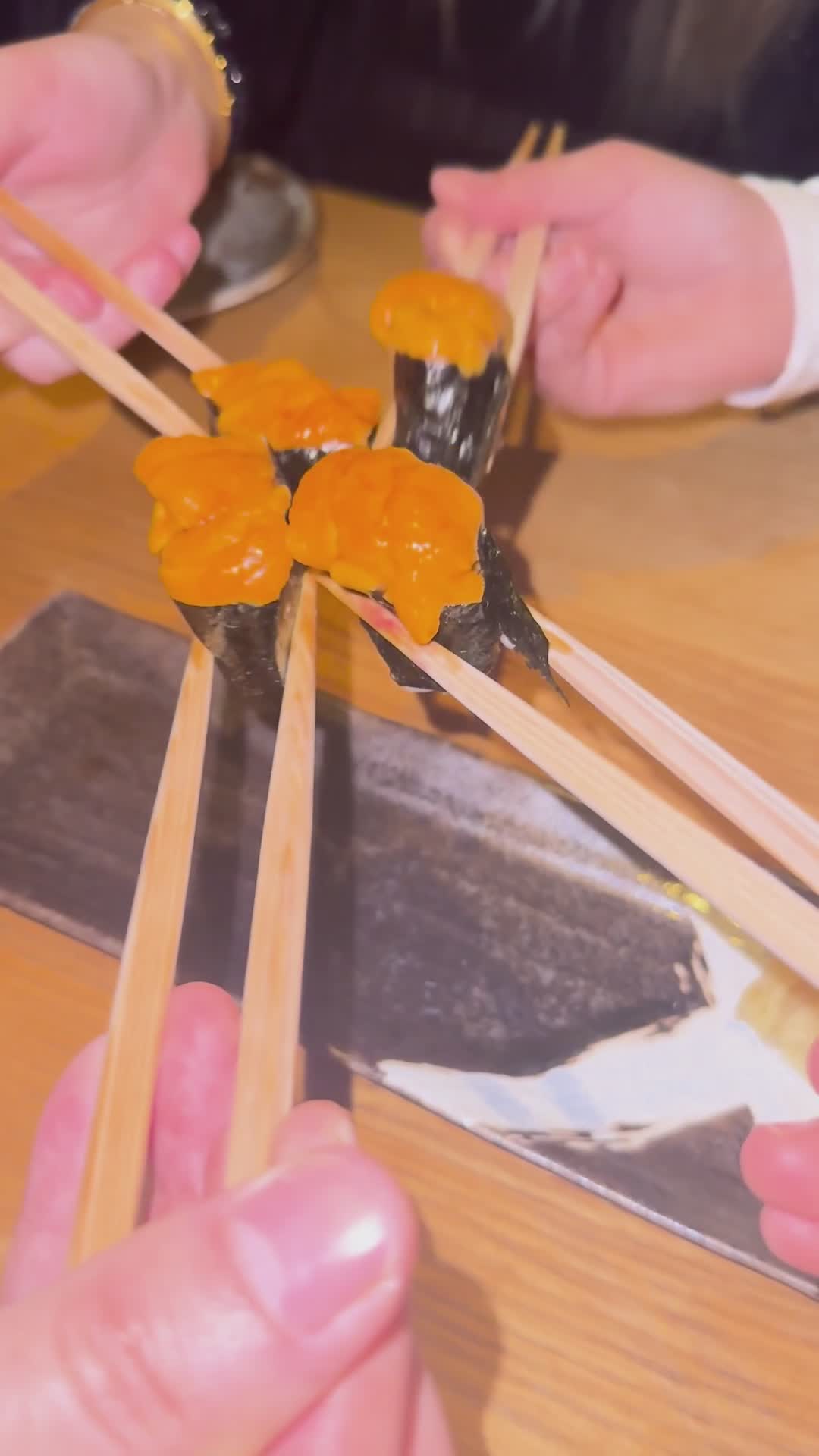
The Seattle Times critic who reviewed wa'z on a Star Festival menu found the meal opening with sesame tofu, a staple of Japanese temple cuisine, and found most of what followed humble: sweet potato, corn, squash, okra, fish cakes. Uni and Japanese A5 wagyu made cameo appearances. The proportion is the point. Kaiseki began as a light meal eaten with the tea ceremony, and chef Hiro Tawara's version sits nearer to that origin than to the imperial banquet the form later became. It is a cuisine of restraint, and the restaurant at 411 Cedar Street is built to keep that restraint legible, one small vessel at a time.
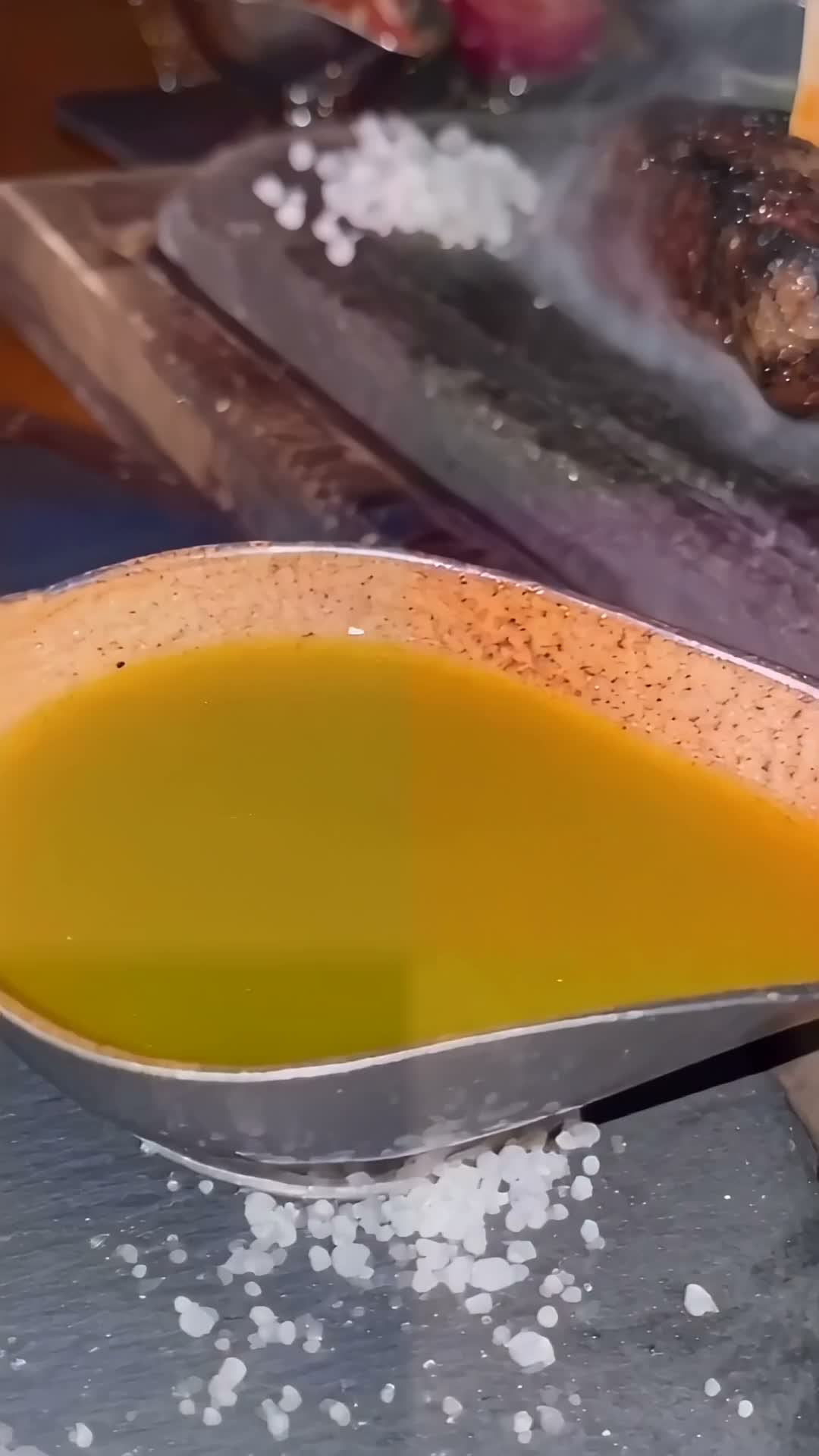
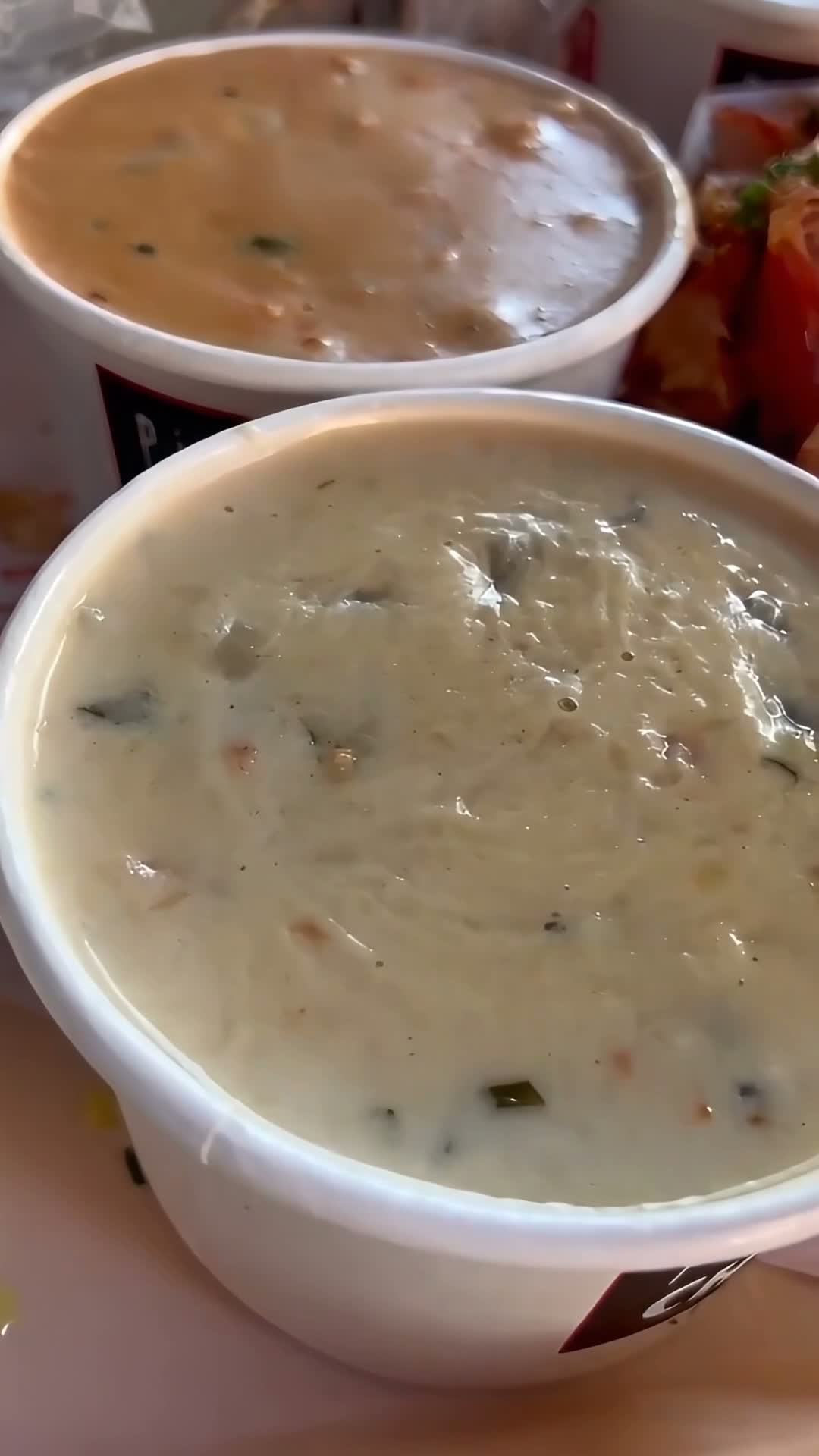
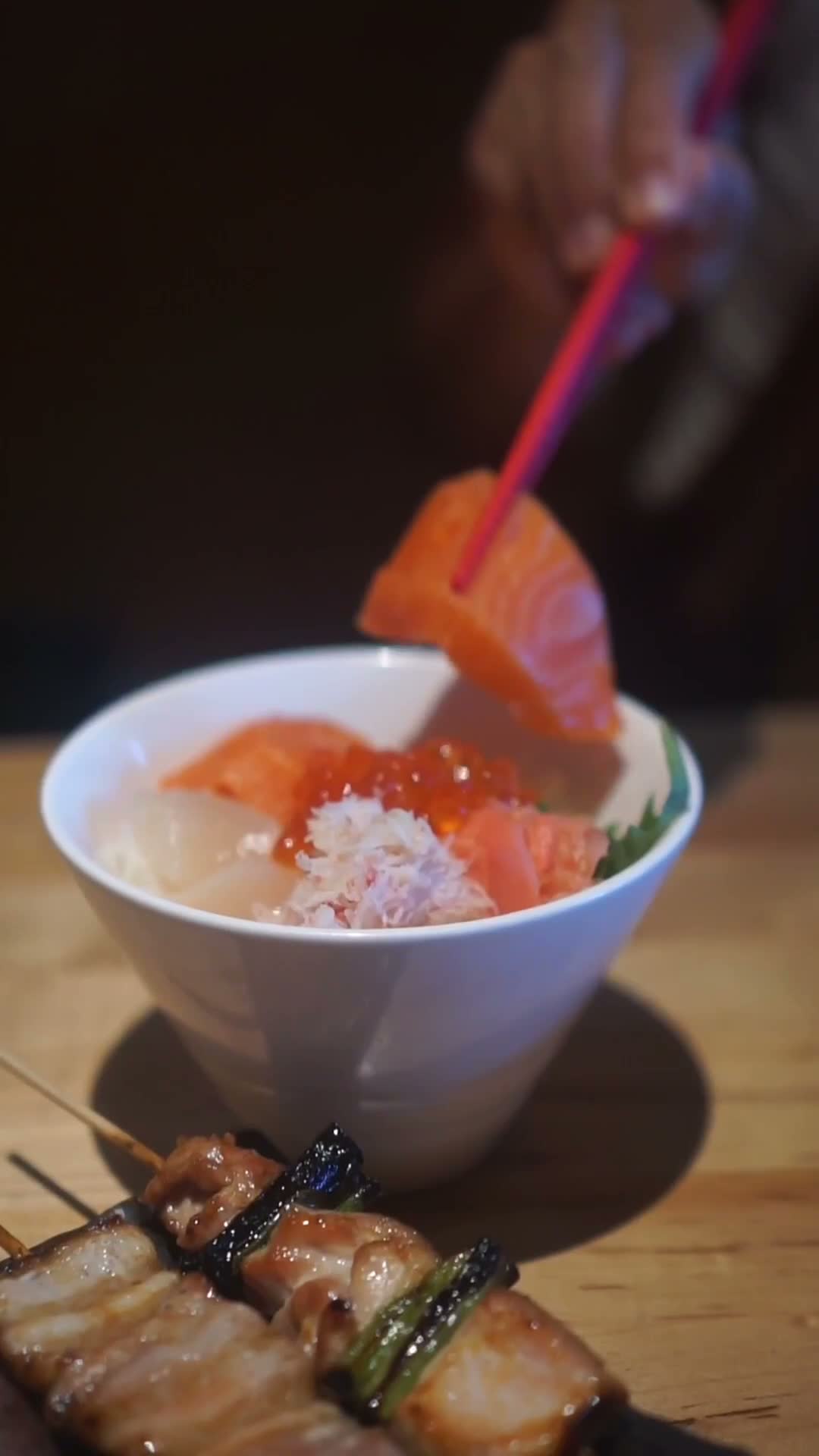
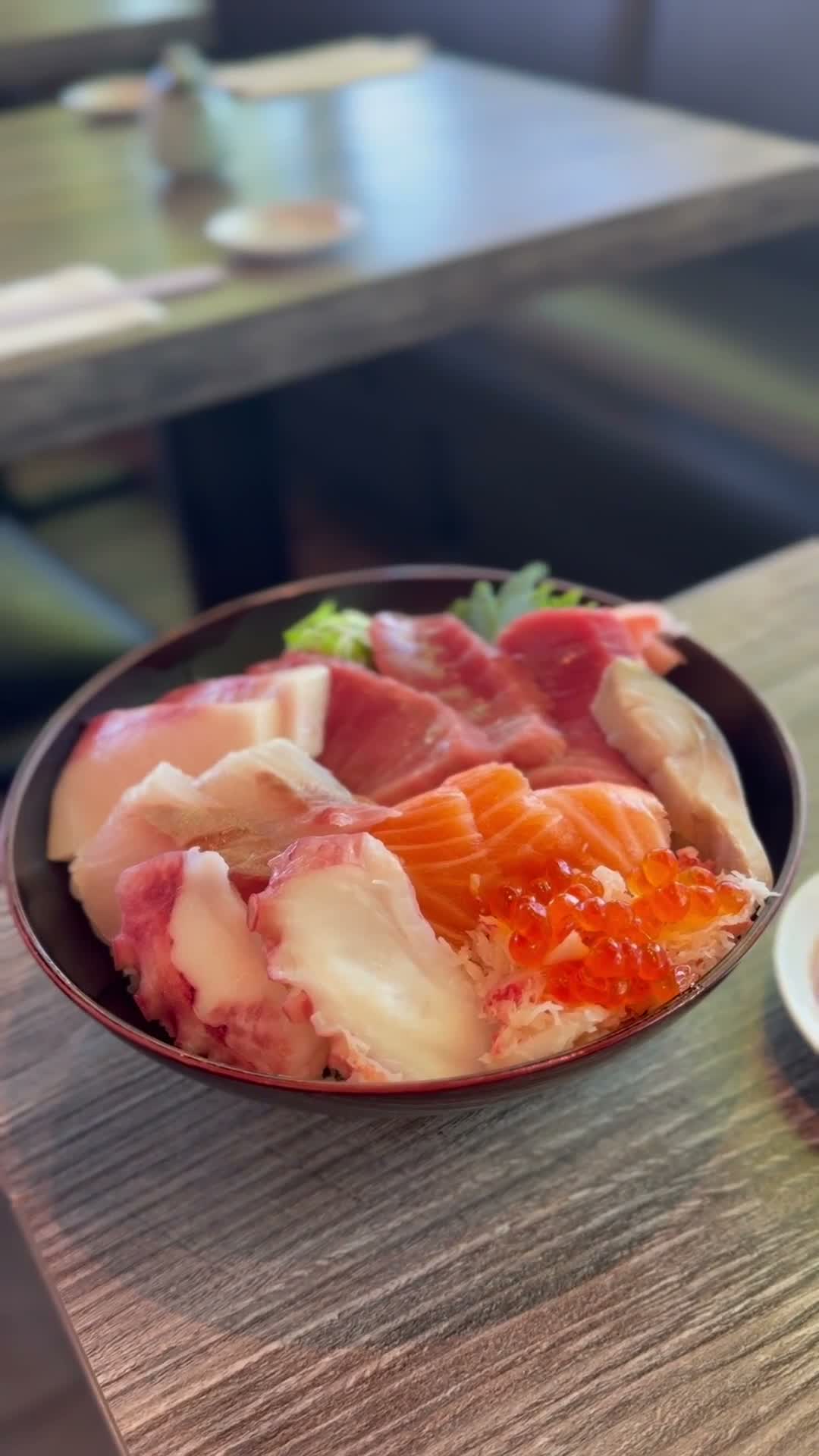
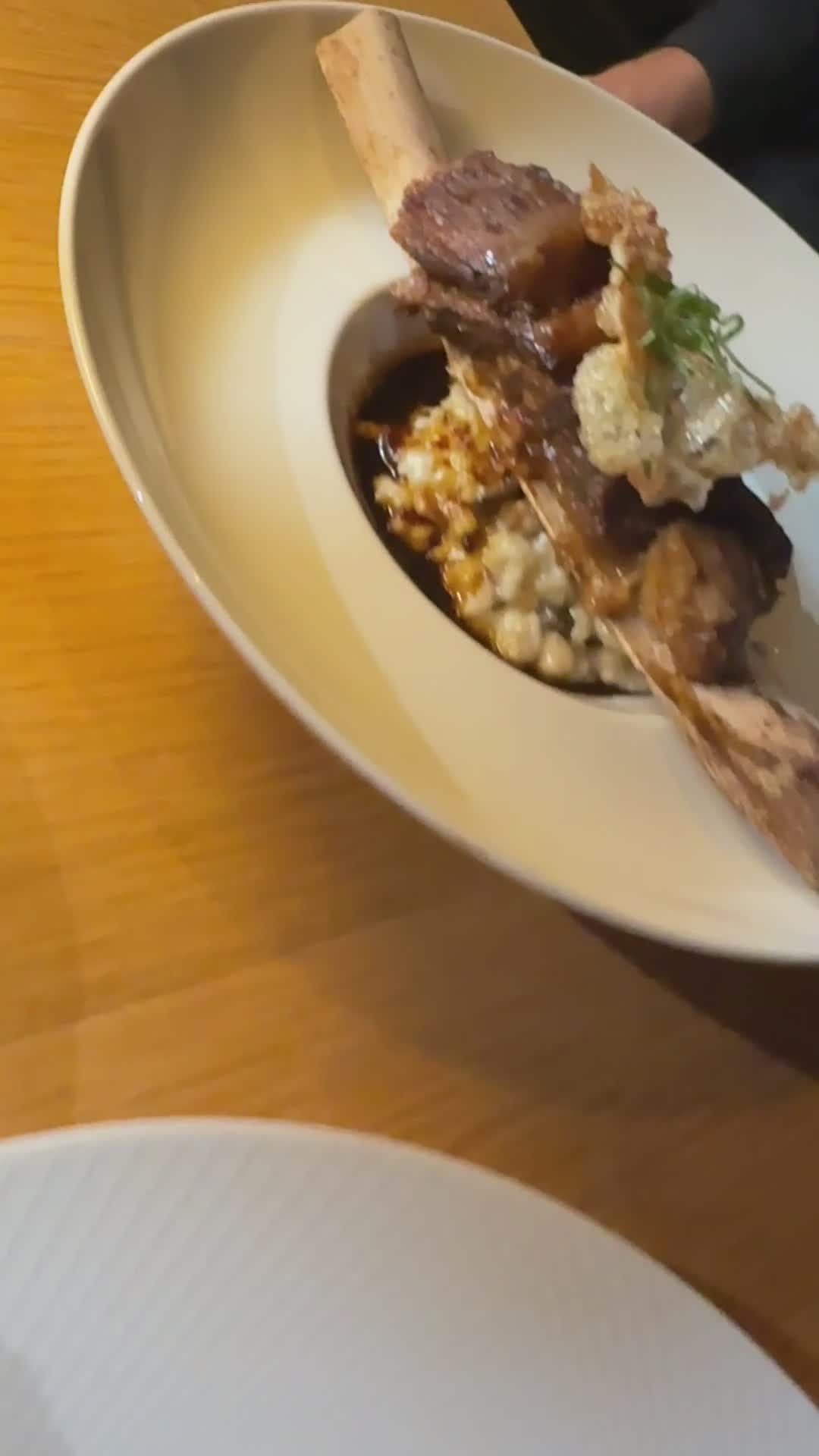
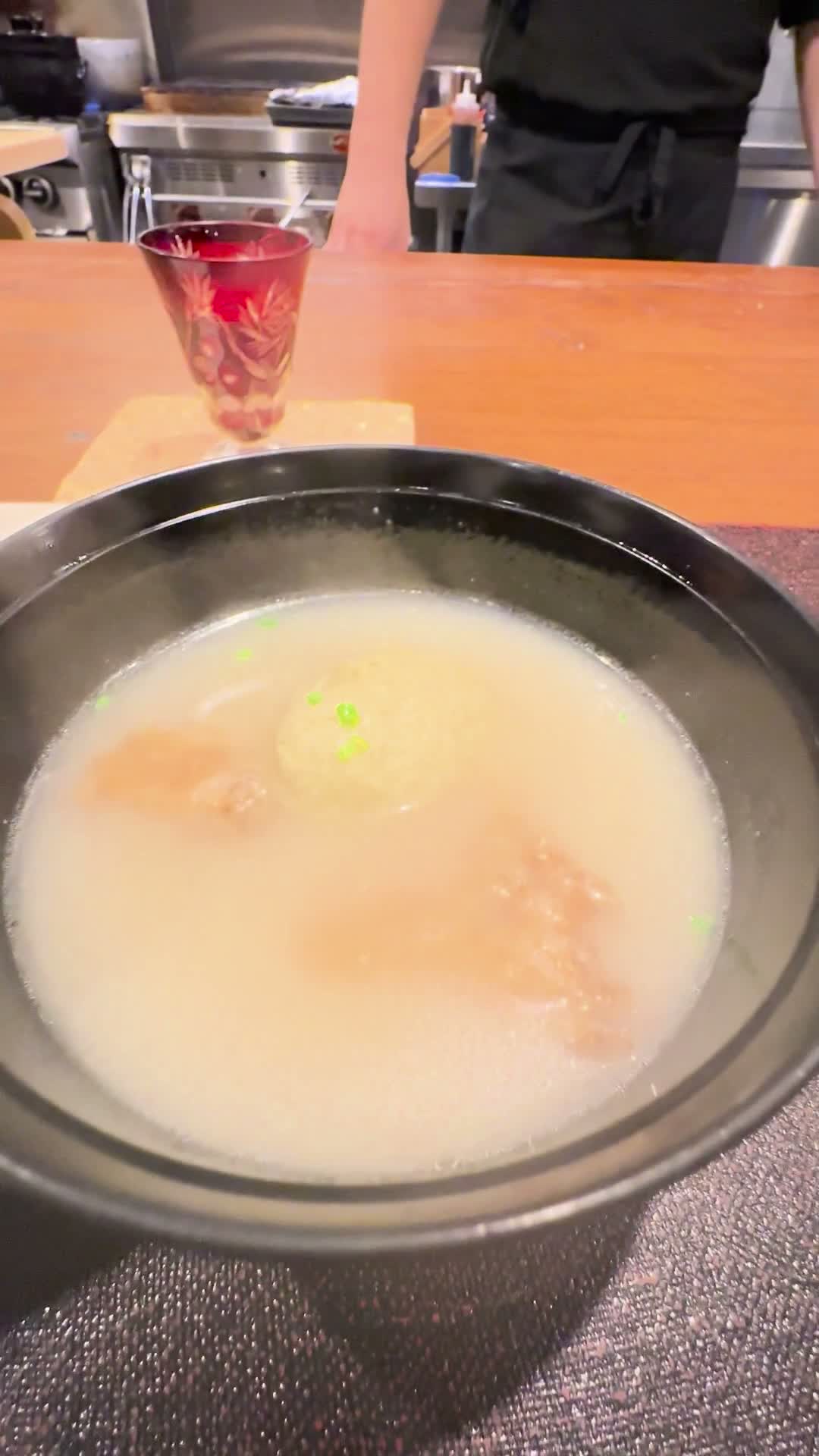
The room is organized around the chef's counter, with a handful of tables beyond it, and the counter is the seat recommended. The video filmed there shows why. The cooks line up little bowls along the surface and finish each by hand. A steaming cup of soup gives way, courses later, to dessert on bright red dishes, each with its own spoon. The camera stays on the wagyu, the soup, the crème brûlée and the ice cream, and most of all on the hands doing the finishing.
A Sushi Cook Turns to Kaiseki
Tawara came to this by way of two of Seattle's respected sushi counters, Shiro's and Sushi Kappo Tamura, before opening wa'z as chef and owner. Eater Seattle named it one of the city's hottest restaurants and said it had brought back the elegant art of Japanese kaiseki to Seattle. The restaurant describes its cooking as modern Northwest kaiseki, an artful, seasonal tasting, and it keeps a sake program to go with it, including a sampler.
The menu turns over every month, and each turn has a reason. The Star Festival month was one; a later menu has a tenderloin of A5 Miyazaki wagyu with seasonal mushrooms in the sixth course and fried figs in dashi sauce with daikon in the seventh. A regular is guaranteed a different dinner than the last one, built on the same discipline.
It is a cuisine of restraint, and the restaurant at 411 Cedar Street is built to keep that restraint legible, one small vessel at a time.
Eight Courses, Mostly Subtle
The Infatuation gave wa'z an 8.6 and described a meal of eight courses that holds steady even as the menu changes: appetizers and soup, a generous portion of wagyu, and several bites of terrific sushi, with small bites served in a leaf bowl. The reviewer's reservation is a useful one. The flavors, it said, run more subtle than innovative, which is a fair description of the form and not a complaint about it. Dinnerware is part of the argument, and the review admired it enough to want to take some home.
The Seattle Times was cooler. Its critic thought the dishes meticulously arranged but the cooking short of the sustained excellence she expects at this price, and wrote of delights and disappointments in each meal. That review was an earlier one, and the later notices lean warmer. Both agree on what the place is good at: composition, seasonality, and a kitchen that works in plain view. Take the counter seat, and take it for the finishing.
What the critics say
The Infatuation rated wa'z 8.6, calling it tasty, artful kaiseki worth a trip to Seattle Center, with subtle flavors and eight courses including wagyu and sushi.
Eater Seattle named wa'z one of the hottest restaurants in the city and said it had brought back the elegant art of Japanese kaiseki to Seattle.
The Seattle Times gave wa'z one and a half stars, finding the dishes meticulously arranged but the cooking short of the sustained excellence its critic expects at the price.
Seattle Met called the Belltown restaurant's eight-course menus the understatement of the year.