The Skewers Return to the Block That Swapped Them for Ramen
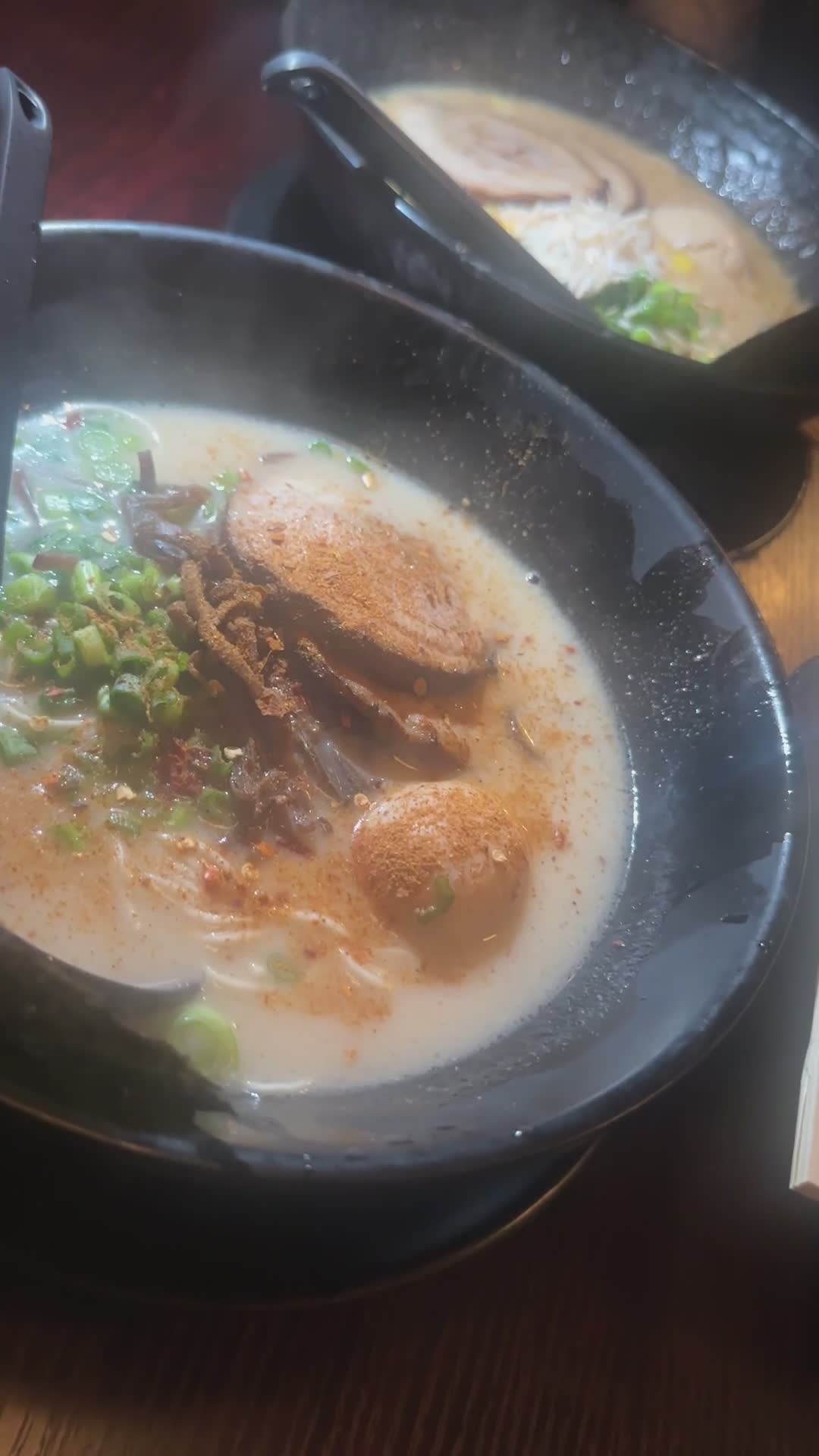
Yoroshiku opened in 2012 as a yakitori bar before pivoting quickly to a ramen izakaya. A year later, with the national ramen craze taking hold in Seattle, the restaurant replaced the yakitori grill with a noodle boiler. The skewers stayed away for a decade. Encouraged by the reception to its simple menus, Keisuke Kobayashi sliced Yoroshiku's space in half, and opened Secret Fort in January 2023, on the same block where he had first put charcoal to chicken.
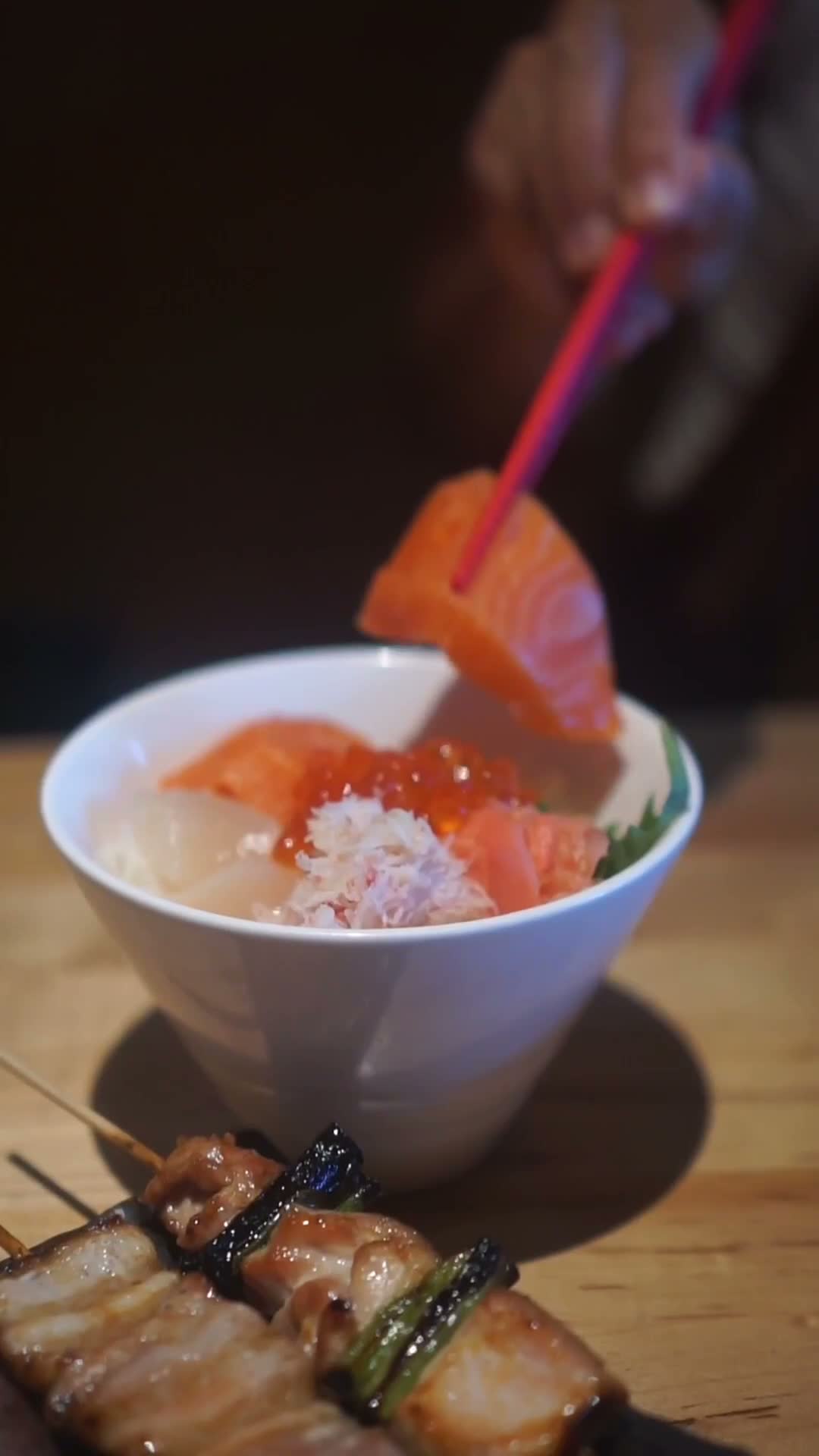
The grill is the organizing idea. Rather than working through the thirty or so chicken parts made into yakitori in Japan, Secret Fort's menu spreads across chicken, pork, beef, seafood and vegetables. That makes it closer to an izakaya than a purist's counter. The video filmed there keeps close to the fire: smoke rising off the coals, and a lacquered skewer held up to the light before the first bite.
The most telling skewers are the ones that have no business on a stick.
Skewers Without Precedent
The most telling skewers are the ones that have no business on a stick. Mochi comes wrapped in bacon, which sets chew against rendered fat. Okonomiyaki, ordinarily a griddled cabbage pancake, is threaded and grilled like everything else. Taste of Elsewhere noted that mochi bacon, okonomiyaki and pickled cucumber all arrive as skewers alongside the yakitori classics, which is how the kitchen signals that the format is a method and not a rulebook.
The straighter cooking holds up the other end of the menu. Pork belly, thigh and tenderloin of chicken, wagyu zabuton and BBQ eel all go over the coals. The Ticket Seattle singled out the beef tongue as the order for something new. Hon-maguro tuna and grilled salted mackerel come off the same grill, so the charcoal reaches well past poultry.
Raw Fish, Sliced or Pressed
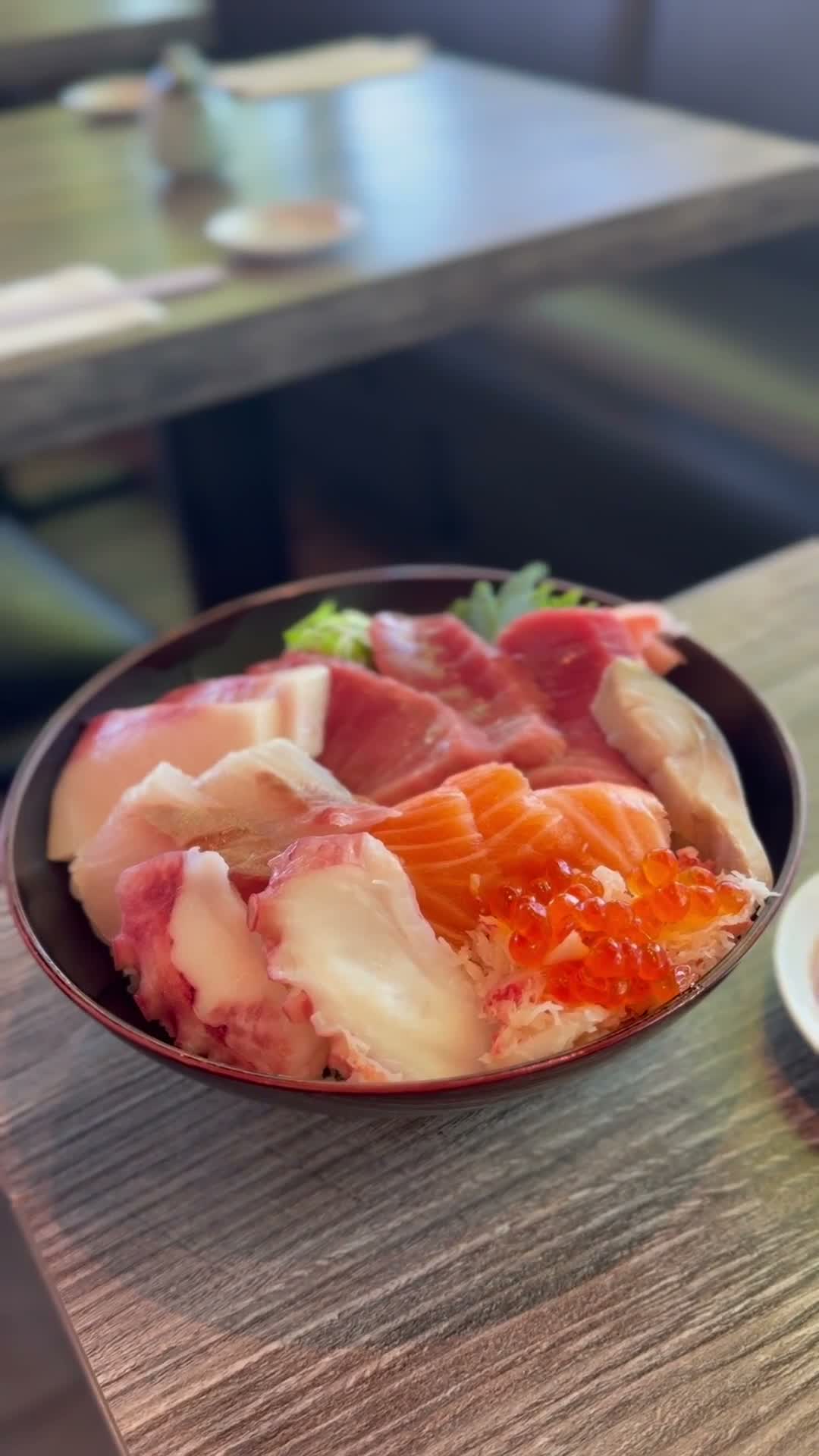
Yakitori draws the crowd, but the raw fish is not an afterthought. Hon-maguro tuna, coho salmon and shime-saba, the vinegar-cured mackerel, each appear twice, once as sashimi and once as pressed sushi. That is a short, disciplined list, and it lets three fish carry a section of the menu. Salmon carpaccio and a yuzu shiso salsa served with chips fill out the small plates, and a tornado-cut pickled cucumber provides the acid.
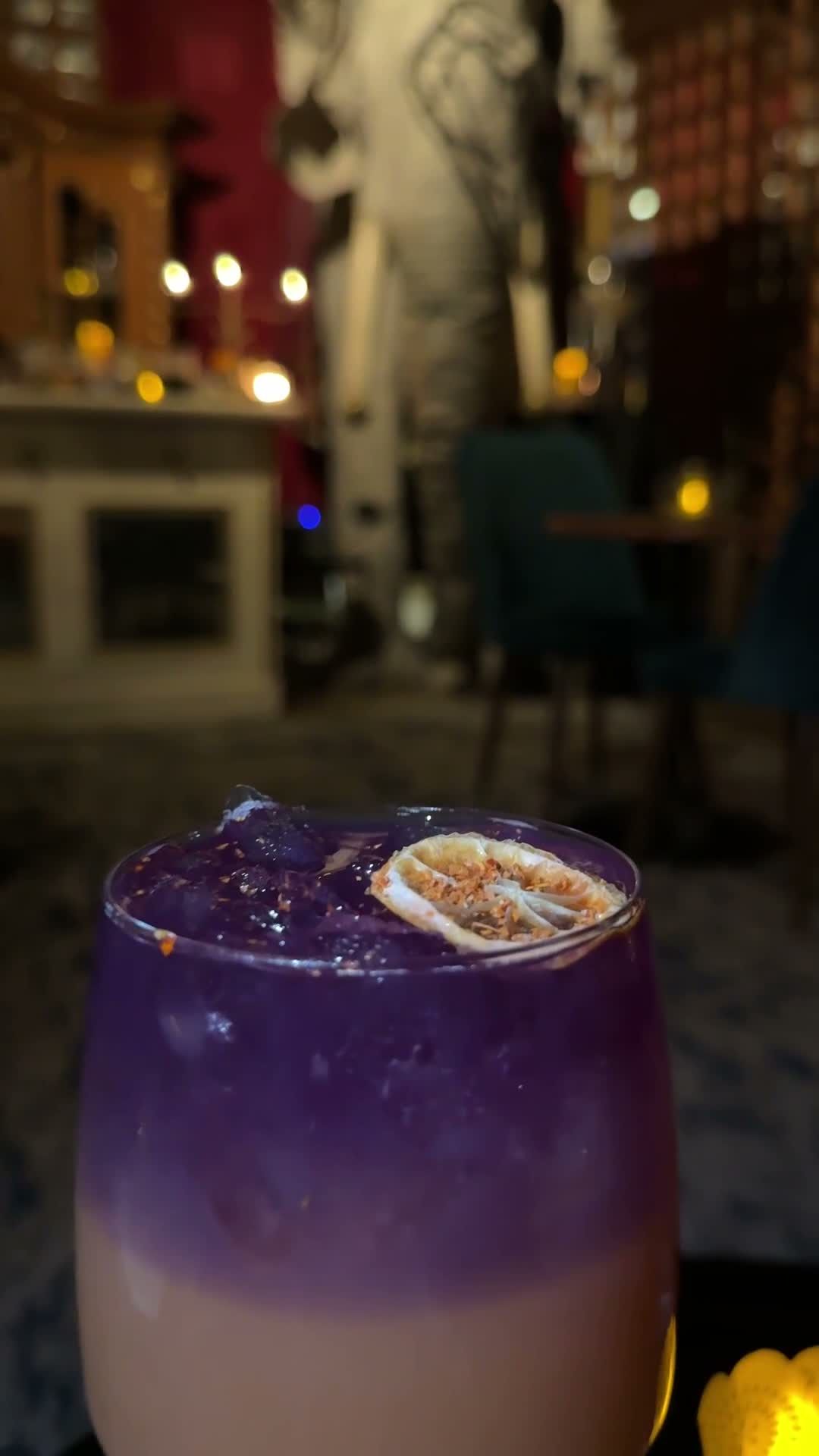
The drinks follow the same logic of tight categories. Highballs and chu-hi sit at the front of the list, followed by cocktails, sake by the four- or ten-ounce pour, shochu and Japanese whisky.
A Fort Furnished in the Eighties
Secret Fort is an '80s-themed yakitori bar, and Japanese memorabilia and posters from that decade surround the diners. The Ticket Seattle described it as a mini pop culture museum for Japanophiles. The name comes from Kobayashi's childhood: he once hid out in cardboard constructions, and the restaurant gives customers a respite of their own, with better snacks and cocktails.
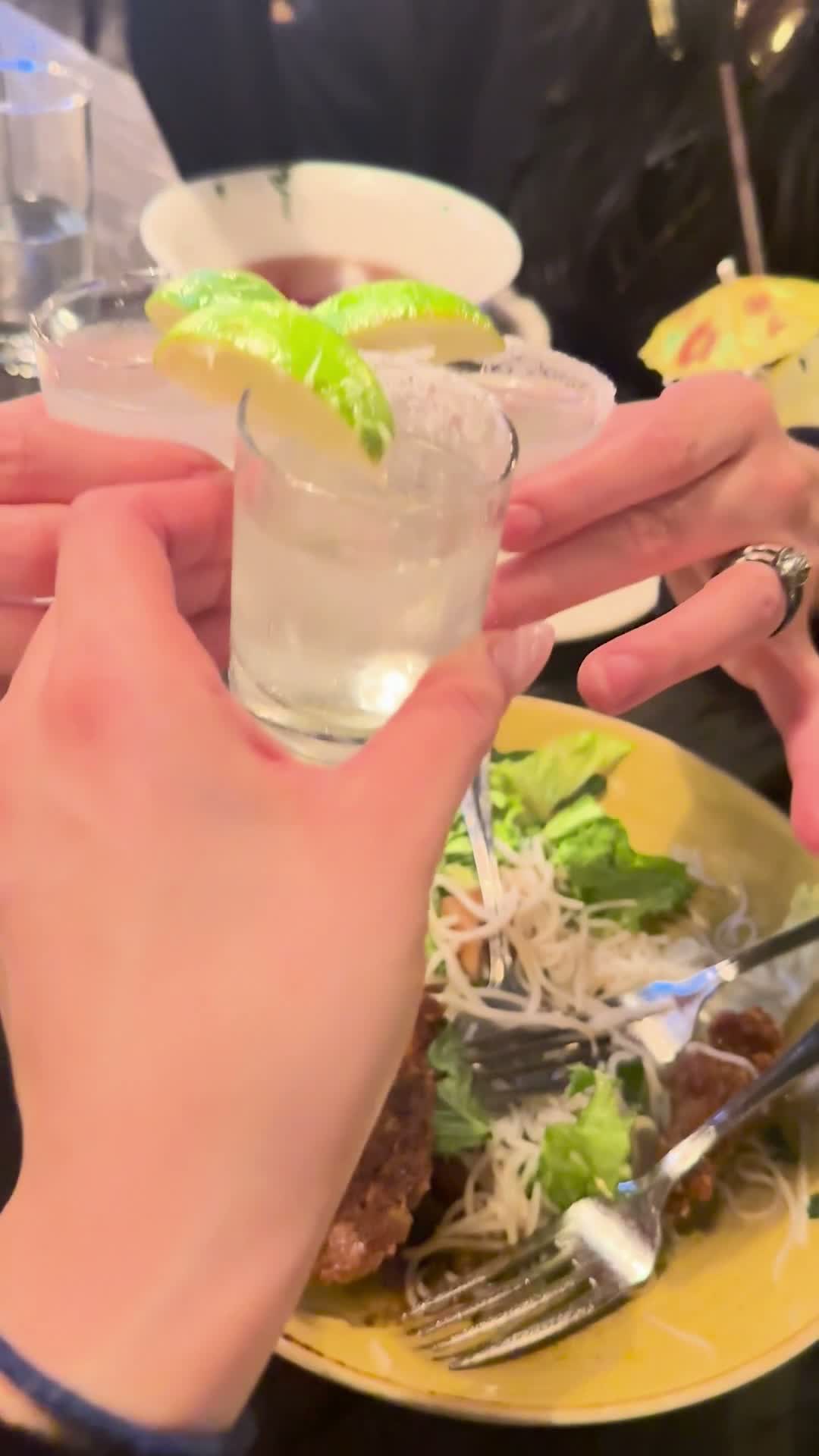
The Infatuation was measured about it. The review called it a decent option for a big night out of grilled skewers and yuzu margaritas, but not a place to cross town for. That reads as a fair description of a neighborhood room that does one thing over fire and does it with some wit. Order the skewers first, and let the pressed sushi come second.
What the critics say
The Infatuation judged Secret Fort a good fit for a group dinner built around skewers and yuzu margaritas, though not worth going far out of your way for.
The Ticket Seattle welcomed Secret Fort as a new yakitori spot from the team behind Yoroshiku and Indigo Cow, and suggested the beef tongue.
Taste of Elsewhere reported that Kobayashi split Yoroshiku's space to make room for Secret Fort, his fourth restaurant, built around an '80s theme.