An Ivory Pork Broth With No Dairy, Served Late on Capitol Hill
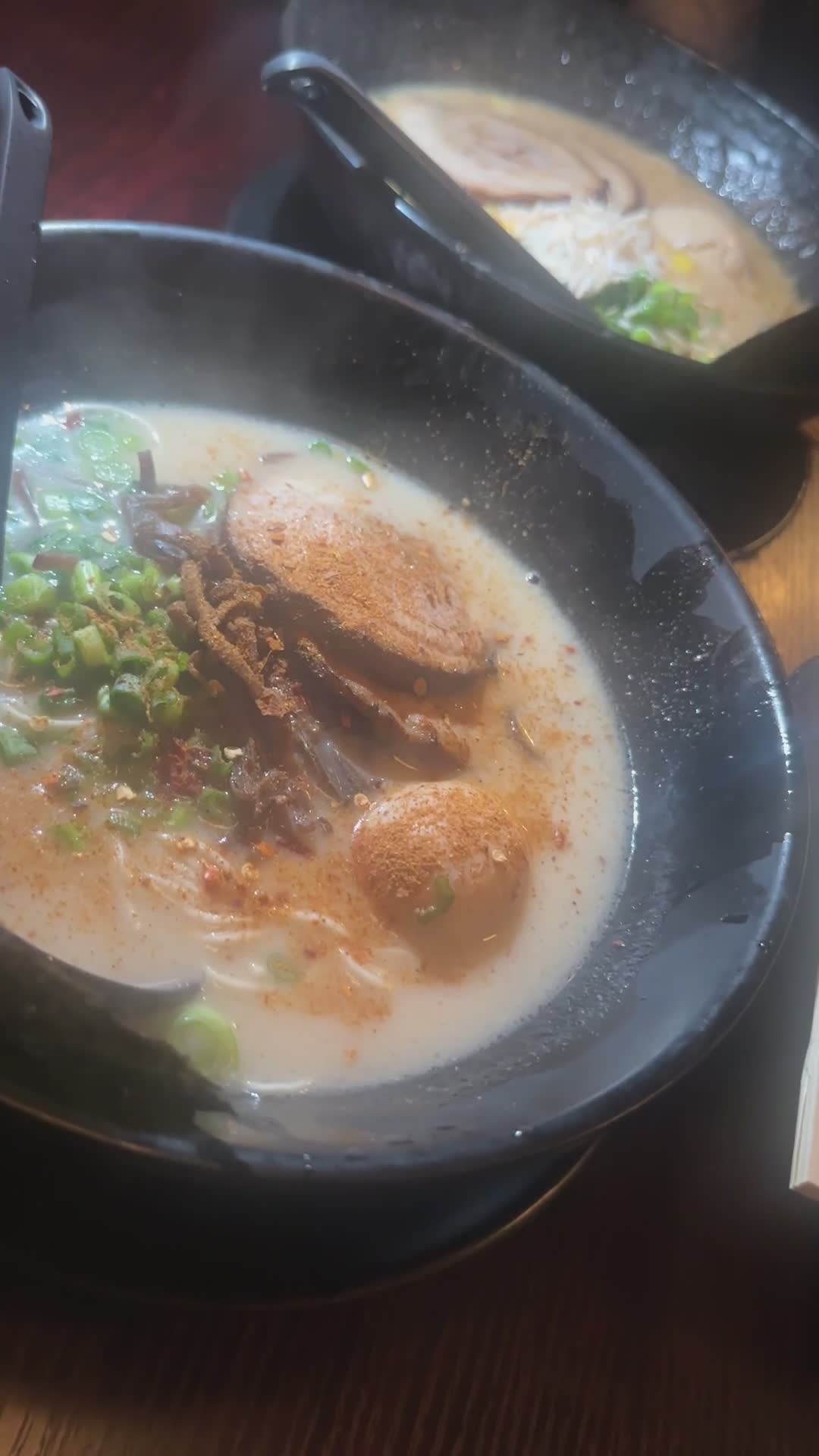
The signs around the room at Betsutenjin answer a question before anyone asks it: there is no milk in the broth, and no MSG. The broth that prompts them is an opaque, ivory-white pork stock, creamy enough that Seattle magazine, which named the shop the best of the best in its ramen roundup, found it hard to believe something so smooth and silken could be made without dairy. The whole restaurant rests on that bowl: Hakata-style pork bone ramen, with the soup as its subject and everything else in support.
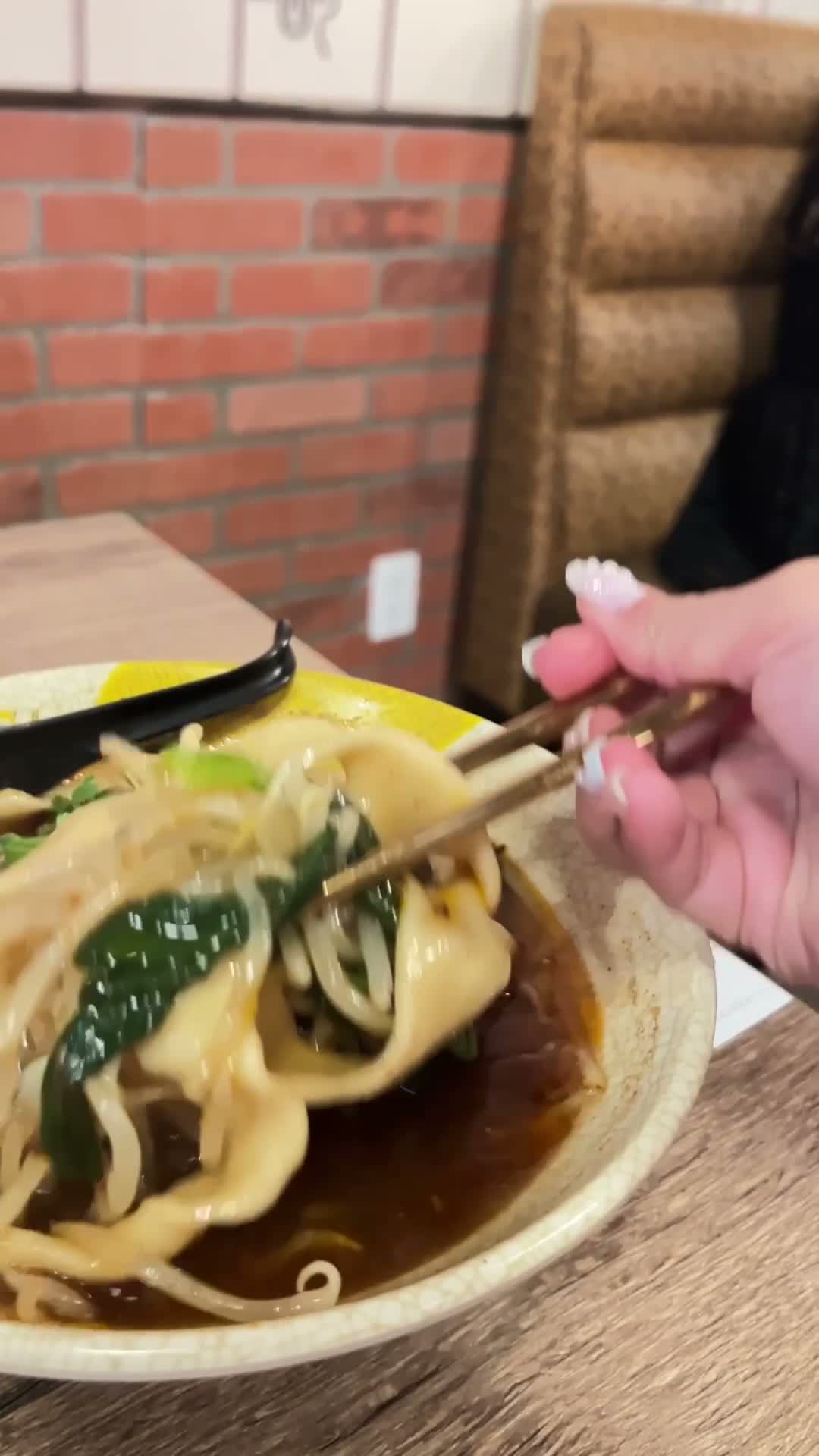
The video shot here keeps returning to how the bowl is finished. The broth is filled high enough to rise around slices of chashu, a seasoned soft-boiled egg sits alongside, a small heap of scallions stays bright green on top, and a dusting of chili powder goes over the lot. Thin wheat noodles, nori and seaweed fill out the rest of the bowl.
The menu is short enough to read as a statement of confidence.
Two Bowls and Dumplings
The menu is short enough to read as a statement of confidence. When The Seattle Times wrote up the shop in its first months, it had no website or phone number and still described itself as in soft opening. The menu was two ramen and gyoza, and the pork bone ramen was the main draw. The alternative is a prawn miso ramen, and the dumplings come on their own or as a set with a bowl.
Betsutenjin arrived in Seattle as the latest branch of an international ramen chain that already had about a dozen outposts in Hong Kong. Seattle magazine called it the most traditional Japanese of the city's new ramen restaurants, with a serious and sustained focus on the soup, which is a fair description of a place that does not hedge.
A Counter After Hours
The room is small. The Times counted 22 seats at the start and found line cooks and bartenders using it as an after-work hangout. It is L-shaped, and the restaurant's own page says it takes no reservations. Seattle Met advises taking a seat at the bar facing the kitchen, which puts a diner within reach of the pork and the steam, and under a television showing an old samurai film.
That guide also reports that a server, asked how the broth is made, simply pressed a finger to her lips and smiled. The restaurant stocks imported beer and drinks from Japan. Order the Hakata-style bowl, and it will taste like a late dinner eaten well after most of the neighborhood's kitchens have closed.
What the critics say
Seattle magazine named Betsutenjin its best of the best in a roundup of Seattle ramen, calling it the most traditional Japanese of the recent arrivals and praising its focus on the broth.
The Seattle Times, reviewing the newly opened shop, asked whether it might be the best ramen on Capitol Hill and called the pork bone ramen the main draw.
Seattle Met included Betsutenjin among its essential late-night Seattle restaurants, describing an ivory-white pork broth with thin noodles, pork slices, nori and seaweed, and advising diners to sit at the bar.