Rice-Flour Fries and a Chowder Gravy on Lake Union
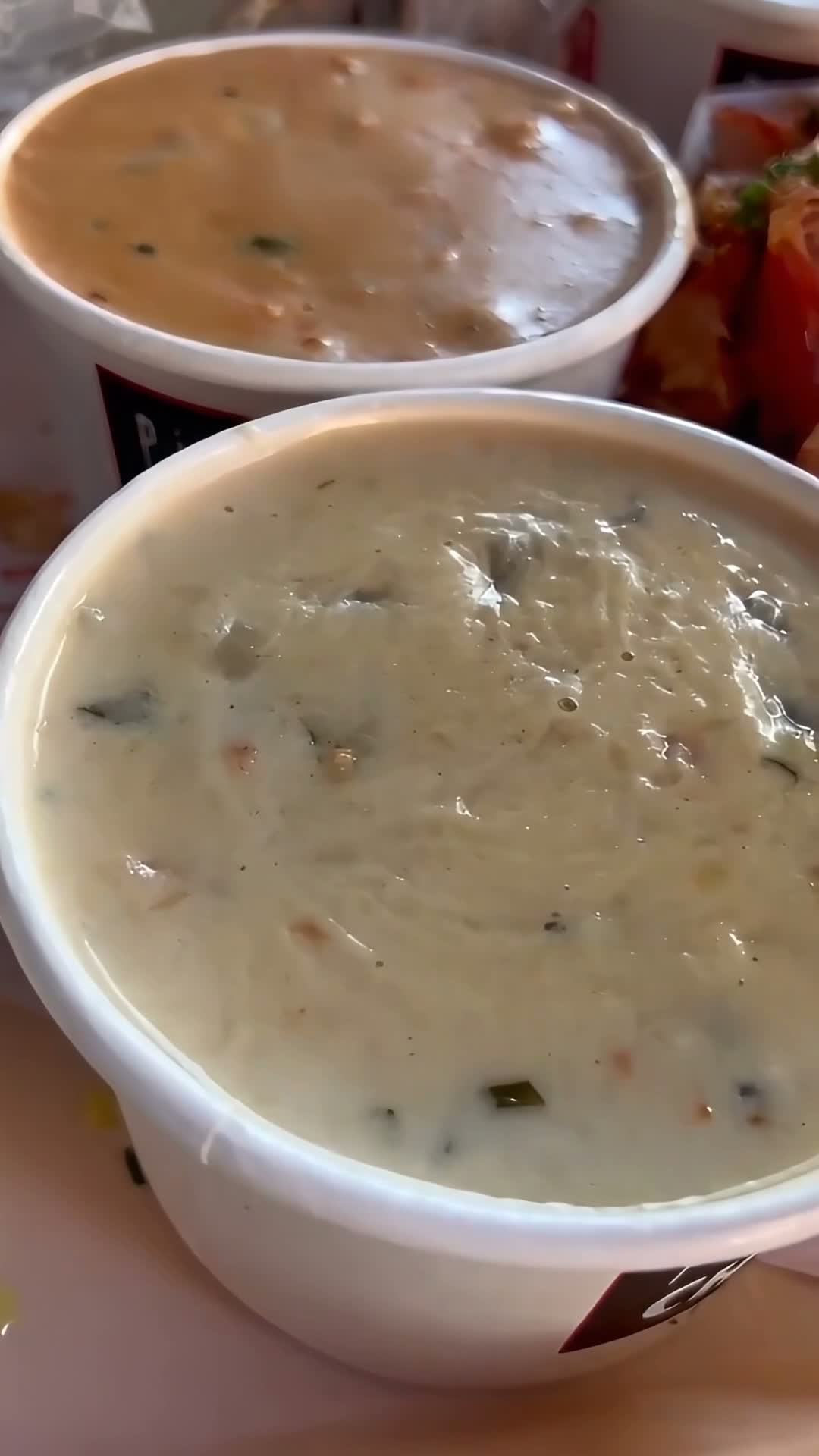
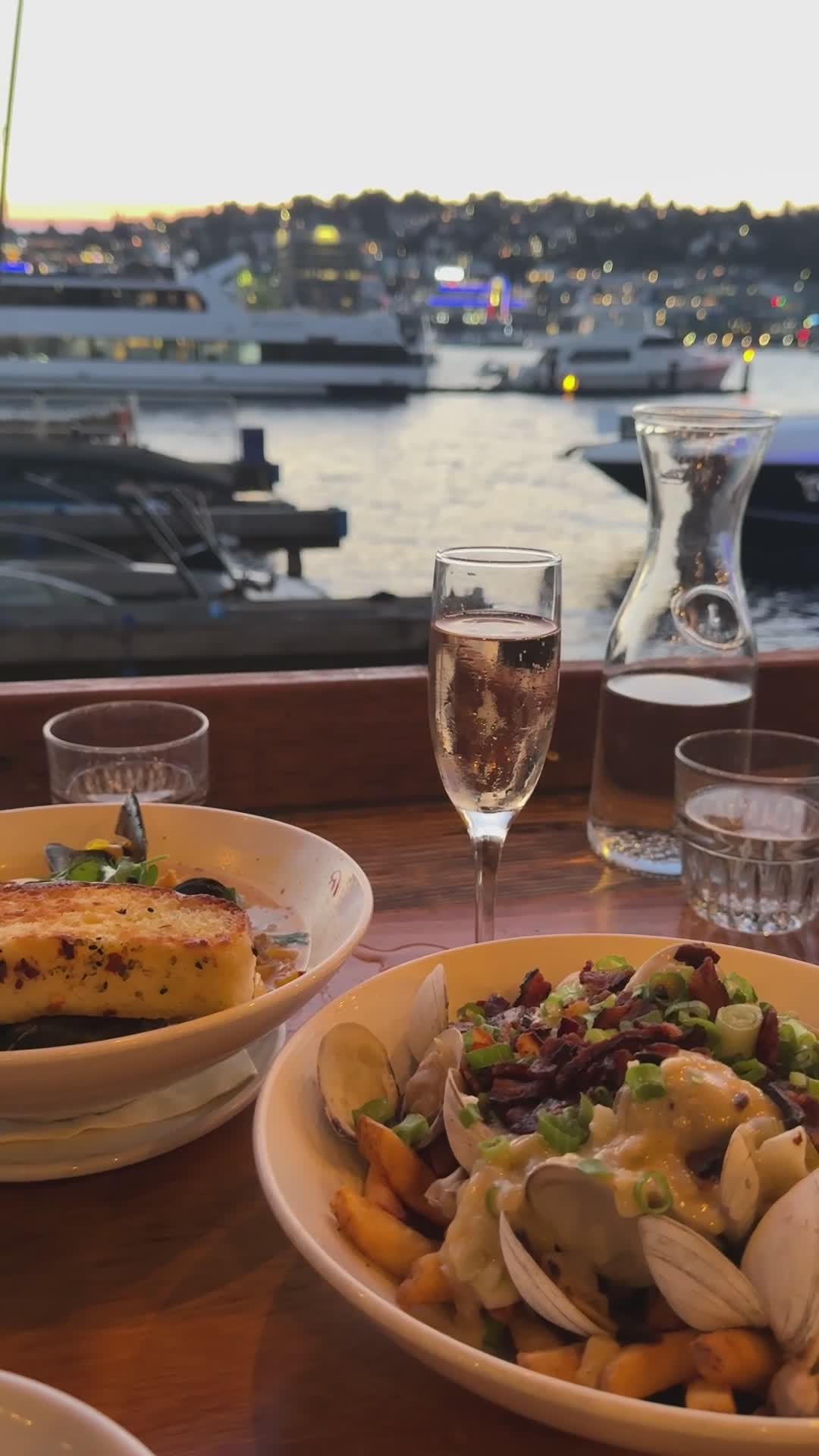
The fries at The White Swan Public House wear a coating of rice flour. It is the least showy decision on the plate and the one the plate depends on. What goes over them is a chowder gravy made from clam stock, wet enough to turn an ordinary fry to paste, which is why the kitchen builds the crunch in beforehand. Littleneck clams, bacon and scallions finish it. This is Poutine o' the Sea, and by the account of executive chef Charlie Garrison it is the most popular dish the kitchen sends out, by a wide margin.
Real poutine is fries, cheese curds and gravy. Here the curds are gone and the chowder does the work of the gravy. The Seattle Times, in a three-star review soon after the opening, described a peppery chowder reduction blanketing sturdy fries, and said nothing better captured the place as half pub and half seafood shack. In summer the kitchen has gone through four or five gallons of the gravy a day. The Hidden Food videos shot here start on the same bowl, with the fries visible under the clams.
The Dockside Boathouse
The White Swan opened in the fall of 2016 on the southern shore of Lake Union. It is the seafood-leaning sibling of Matt's in the Market and Radiator Whiskey, the side-by-side Pike Place Market restaurants run by the same group. The Seattle Times described the building as a weathered boathouse. Its wraparound windows frame the neighboring yachts and, far behind them, the Space Needle. The restaurant shares its space with 100 Pound Clam, another restaurant from the group.
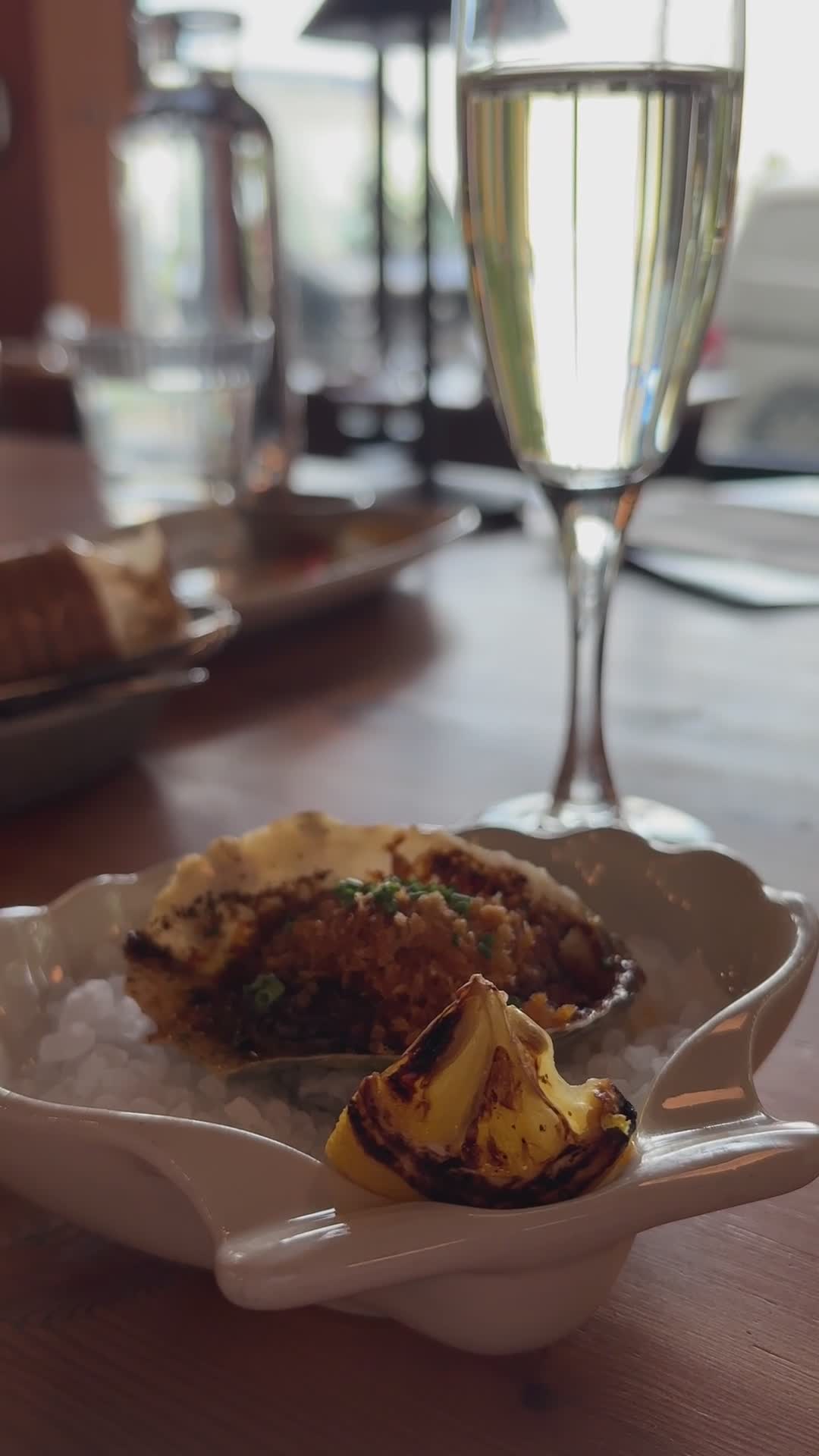
Seattle Met made it an Editor's Pick and called it a clattering tavern. The magazine said it pairs one of the city's epic waterside patios with the humor Radiator Whiskey brings to meat, here turned on seafood. The deck more than doubles the capacity of the room, and the inside serves the same menu with full service. A second Hidden Food video drops the close-up for a window table, with a bowl of clams and corn, a glass of champagne and boats just outside. Another shows steamed clams and grilled fish on the deck at sunset.
Real poutine is fries, cheese curds and gravy. Here the curds are gone and the chowder does the work of the gravy.
Oysters After Dark
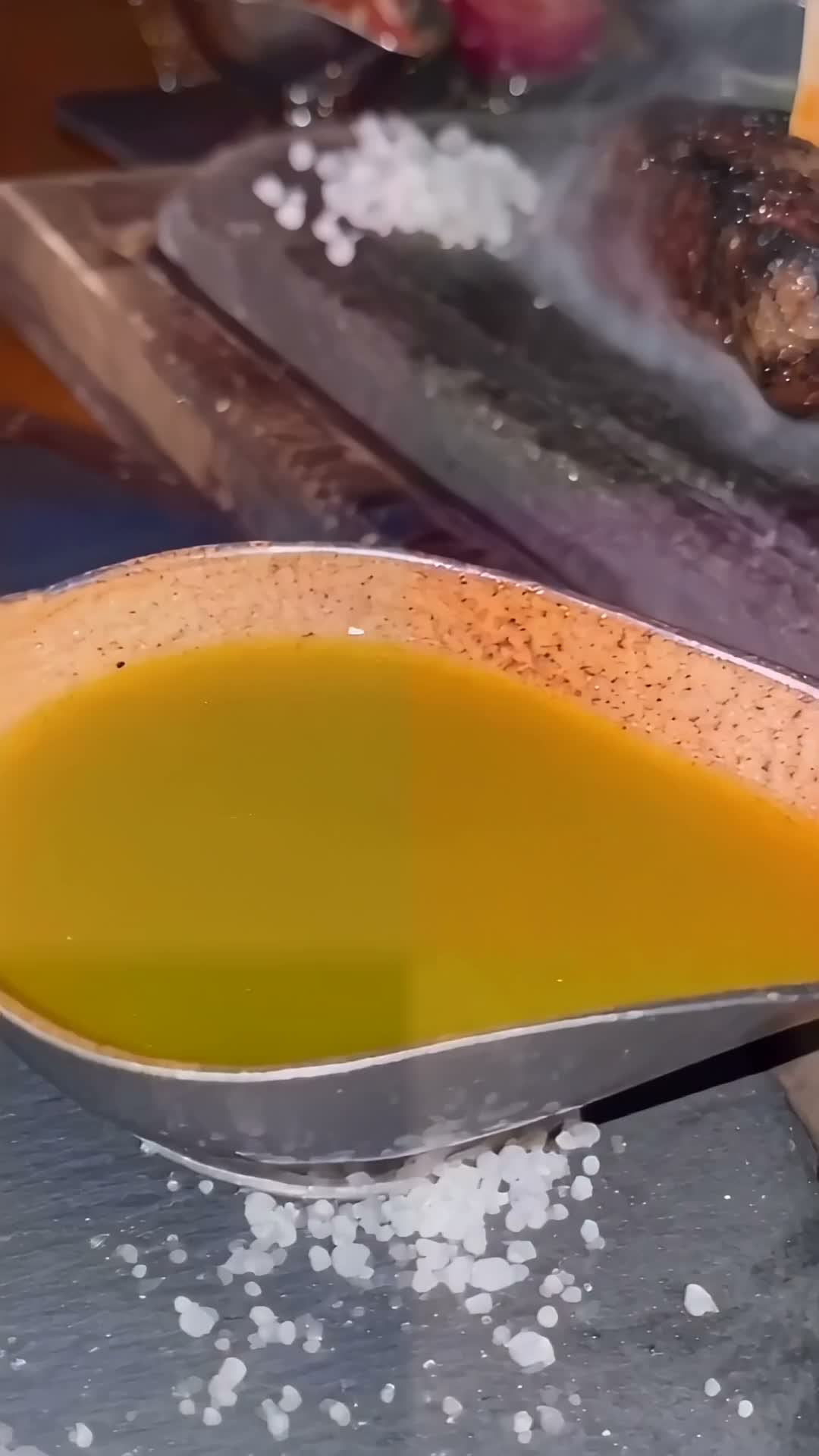
The Infatuation singled out the raw oysters, which come with a set of sauces in little droppers. It likened the effect to a rhubarb-infused mignonette science experiment. The review's advice was to stick to the seafood. It also warned that the place gets mobbed on any hint of a warm afternoon, and that after the sun goes down the problem disappears. Seattle Met noted the same weakness from the other side: on sunny days the service can be overwhelmed.
The pub half of the menu has had its own admirers. Josh Nebe, the opening chef, came over from Radiator Whiskey, and the Seattle Times critic left obsessed with his currywurst. Fish and chips arrive in a cornmeal crust, the sort of dish a lake-view pub is expected to get right. The poutine is the order, oysters are the second one, and the hour to arrive is after the sun goes down.
What the critics say
Seattle Met named it an Editor's Pick, praising the waterside patio and the playful way it handles seafood, while warning that service can get overwhelmed on sunny days.
The Infatuation praised the oysters and said the food is pretty good as long as you stick to seafood, with the atmosphere tasteful rather than kitschy.
Seattle Weekly thought Poutine o' the Sea could become a Seattle signature dish, and likened the bacon and scallions on the clam chowder fries to a loaded baked potato.
The Seattle Times gave it three stars and called it equal parts pub and seafood shack, with a currywurst that left its critic obsessed.